U.
HomeRegionsLanguagesEmotionsCollections
Find Your Word

“The limits of my language mean the limits of my world.”

— Ludwig Wittgenstein, Philosopher

Untranslatable

A curated collection of the world's most beautiful expressions—words that remind us language is humanity's greatest invention.

  • Home
  • Collections
  • Regions
  • Countries
  • Emotions
  • Tags
  • Contexts
  • Finder
  • Europe
  • Asia
  • Americas
  • Africa
  • Middle East
  • About
  • Contact
  • Privacy Policy
  • Terms of Service

2026 © Untranslatable. All rights reserved.

    /
    /
    1. Home
    2. /
    3. Europe
    4. /
    5. Boškávanie
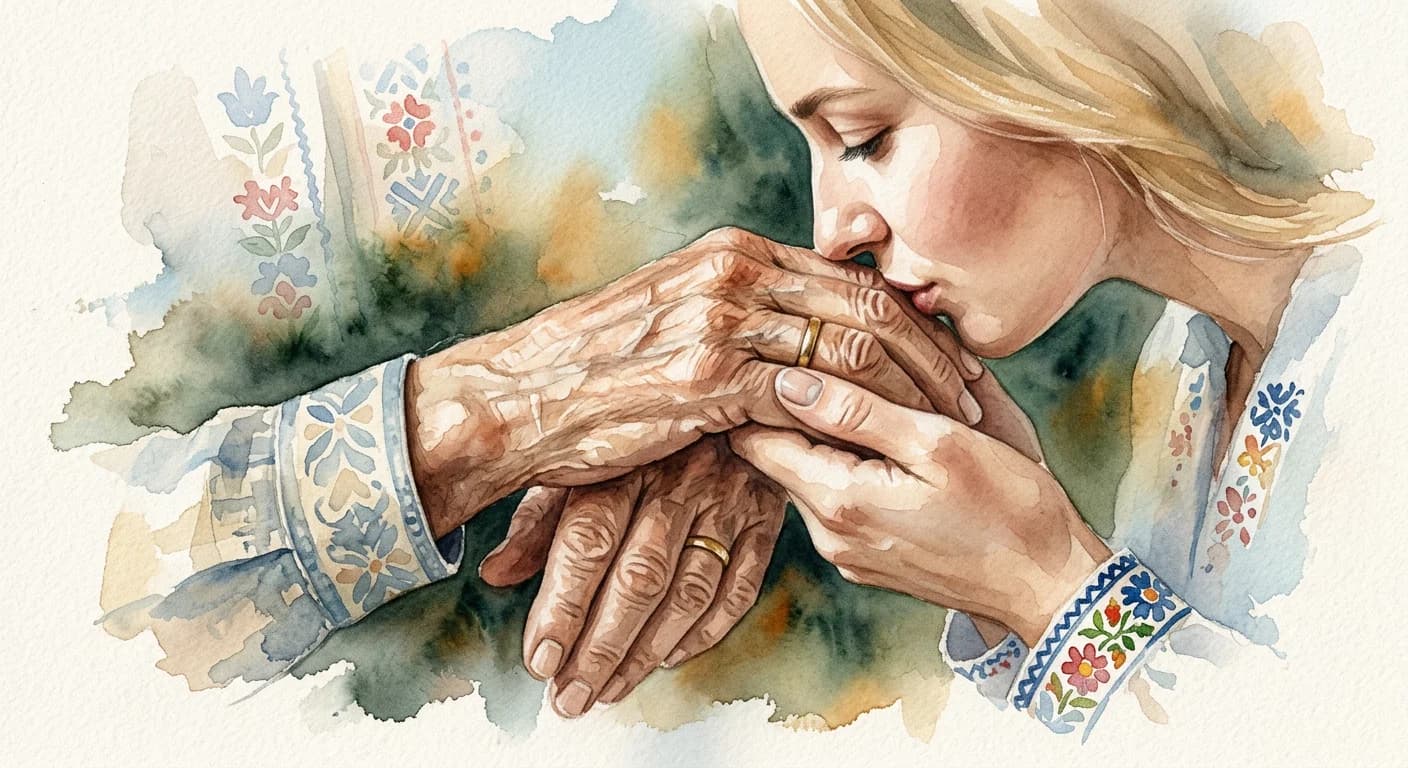
    Artistic representation of Boškávanie
    Slovak•
    🇸🇰Slovakia

    Boškávanie

    /BOSH-kah-vahn-yeh/

    Meaning

    Boškávanie is the tender, often reverential act of kissing someone's hand, a gesture deeply rooted in Slovak tradition. It transcends a mere physical touch, embodying profound adoration, respect, and a gentle acknowledgment of the recipient's wisdom, seniority, or cherished status. This intimate act creates a palpable connection, signifying a special bond that speaks volumes of warmth, deference, and a heartfelt appreciation for the other person's presence and significance in one's life. It's an expression of love and honor that resonates with the soul.

    Literal Translation

    hand-kissing

    The Story Behind the Word

    The practice of boškávanie is steeped in centuries of Central European etiquette and social hierarchies, where respect for elders and established authority was paramount. It reflects a societal value system that emphasizes humility, deference, and the honoring of familial and community ties. Historically, it was a common gesture from younger generations to their parents, grandparents, or godparents, and from men to women as a sign of chivalry and admiration. The continued existence and emotional weight of this word reveal a Slovak worldview that values deep, personal connections, where respect is not just an abstract concept but is actively demonstrated through physical, heartfelt gestures. It underscores a culture that appreciates tradition and the nuanced ways in which affection and esteem can be conveyed without words, fostering a sense of belonging and mutual regard.

    Experience It

    Grandfather's Birthday

    Little Anička, dressed in her Sunday best, approached her grandfather. With a shy smile, she gently took his hand and brought it to her lips, a soft boškávanie for his 80th birthday, filling his eyes with tears of joy.

    Farewell to Mentor

    Before departing for university, Marek sought out his old teacher. As a final gesture of gratitude for years of guidance, he performed a heartfelt boškávanie, a silent promise to carry the lessons learned with respect.

    The Deeper Meaning

    Boškávanie reveals a philosophy where respect and affection are not merely felt but are actively embodied through physical gesture. It underscores the belief that true honor extends beyond words, requiring a tangible, humble act that acknowledges the other's dignity and worth. This practice highlights a cultural appreciation for tradition and the profound, unspoken language of human connection, where vulnerability and reverence are intertwined.

    Did You Know?

    While often associated with men kissing women's hands, in Slovakia, children commonly perform boškávanie for their grandparents, showing deep respect and affection.

    How It's Used

    Used to describe the act of kissing someone's hand, particularly as a sign of respect, affection, or adoration towards elders, parents, or a romantic partner.

    Emotions
    gratitude,love,warmth
    Contexts
    family,greeting,romance
    🇸🇰Slovakia

    by Annelise Dubois·Written Mar 10, 2026·Updated Apr 3, 2026

    Related Words

    Explore more
    HyggeDanish

    Hygge is more than mere coziness; it's a holistic embrace of comfort, warmth, and belonging that nourishes the soul. It describes the intentional creation of an intimate atmosphere where simple pleasures, genuine connection, and mindful presence converge, fostering a profound sense of contentment and well-being. It's about finding joy and peace in the small, everyday moments, often shared with loved ones.

    SaudadePortuguese

    Saudade encapsulates a profound, melancholic longing for something or someone cherished that is absent, often with the bittersweet knowledge that it may never return. It's a deep emotional state tinged with nostalgia, evoking a sense of loss for past experiences, places, or people, yet also holding a tender appreciation for the beauty of what once was. This yearning is not merely sadness, but a complex tapestry of desire, memory, and a poignant acceptance of absence, holding the beloved in a warm, persistent embrace within the heart.

    GezelligDutch

    Gezellig encapsulates a profound sense of warmth, belonging, and convivial comfort, extending beyond mere coziness to embrace the social and emotional atmosphere. It's the feeling of being truly at ease, surrounded by good company, laughter, and a shared sense of contentment. This untranslatable term describes not just a physical space, but a holistic experience where time seems to slow down, fostering genuine connection and a deep sense of well-being.

    Dolce far nienteItalian

    Dolce far niente captures the profound joy and effortless pleasure derived from simply existing without obligation or purpose. It's the art of savoring moments of pure, unadulterated idleness – lying in the sun, watching the clouds drift, or enjoying a leisurely coffee – not as a break from work, but as a valuable state in itself. This 'sweetness of doing nothing' is a conscious embrace of stillness and contentment, allowing the soul to breathe and the senses to fully engage with the present.