Särbo
/SAIR-boo/
Meaning
Särbo describes a modern romantic arrangement where committed partners intentionally choose to live in separate residences. It's a conscious embrace of autonomy within intimacy, allowing individuals to nurture their personal space, routines, and independent identities while fully enjoying the emotional, physical, and social benefits of a deep relationship. This structure challenges traditional cohabitation, offering a flexible model that prioritizes individual freedom alongside shared love, reflecting a contemporary evolution of partnership.
Literal Translation
Separately-living
The Story Behind the Word
The existence and widespread acceptance of "särbo" in Sweden is deeply rooted in the nation's cultural values of individualism, gender equality, and a pragmatic approach to life. Swedish society highly values personal independence (lagom) and self-sufficiency, meaning that living together isn't automatically seen as the ultimate relationship goal. The strong emphasis on gender equality also plays a role, as women, in particular, may wish to maintain their own homes and careers without immediately merging lives and potentially taking on a disproportionate share of domestic responsibilities. It reflects a societal shift where personal space, established routines, and individual pursuits are not sacrificed for the sake of a relationship, but rather integrated into a more flexible and often more sustainable partnership model. This word encapsulates a uniquely Swedish solution to balancing connection with cherished autonomy, revealing a culture that redefines traditional relationship milestones.
Experience It
Weekend Retreat, Weekday Autonomy
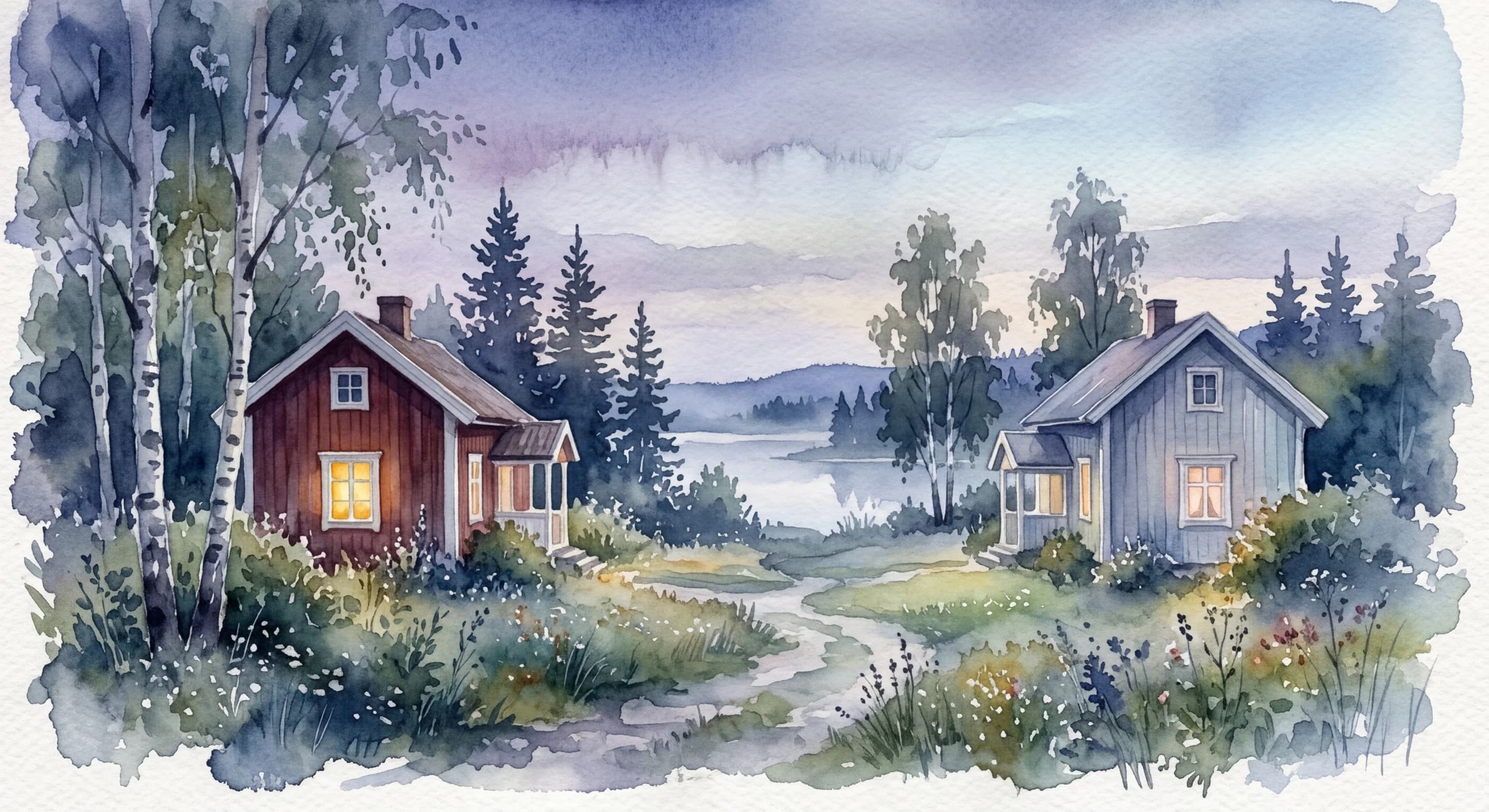
Anna and Erik have been 'särbo' for five years. They spend every weekend together at Erik's cabin by the lake, enjoying shared meals and long walks. However, during the week, they return to their respective apartments, allowing Anna to pursue her late-night painting passion undisturbed and Erik to maintain his minimalist, quiet routine.
Empty Nester's New Chapter
After their children left home, Ingrid and Lars decided to become 'särbo'. Lars loves his quiet apartment downtown, close to his gym and favorite cafes, while Ingrid prefers her house with a large garden in the suburbs. This arrangement allows them to date, travel, and enjoy each other's company without the daily negotiations of shared living, revitalizing their relationship.
The Deeper Meaning
The concept of 'särbo' reflects a profound philosophical shift towards prioritizing individual well-being and autonomy within the framework of a committed relationship. It embodies a rejection of the idea that romantic love necessitates the merging of all aspects of life, instead proposing that maintaining distinct personal spheres can strengthen, rather than diminish, a partnership. This highlights a modern acceptance of diverse relationship structures, valuing personal freedom and self-actualization as integral to a fulfilling life, even when coupled.
Did You Know?
The concept of 'särbo' is so common and accepted in Sweden that the government even provides specific tax and social security guidelines for couples who live apart but are in a committed relationship.
How It's Used
Used to describe a couple who are in a committed relationship but live in separate homes.