U.
HomeRegionsLanguagesEmotionsCollections
Find Your Word

“The limits of my language mean the limits of my world.”

— Ludwig Wittgenstein, Philosopher

Untranslatable

A curated collection of the world's most beautiful expressions—words that remind us language is humanity's greatest invention.

  • Home
  • Collections
  • Regions
  • Countries
  • Emotions
  • Tags
  • Contexts
  • Finder
  • Europe
  • Asia
  • Americas
  • Africa
  • Middle East
  • About
  • Contact
  • Privacy Policy
  • Terms of Service

2026 © Untranslatable. All rights reserved.

    /
    /
    1. Home
    2. /
    3. Europe
    4. /
    5. Koliba
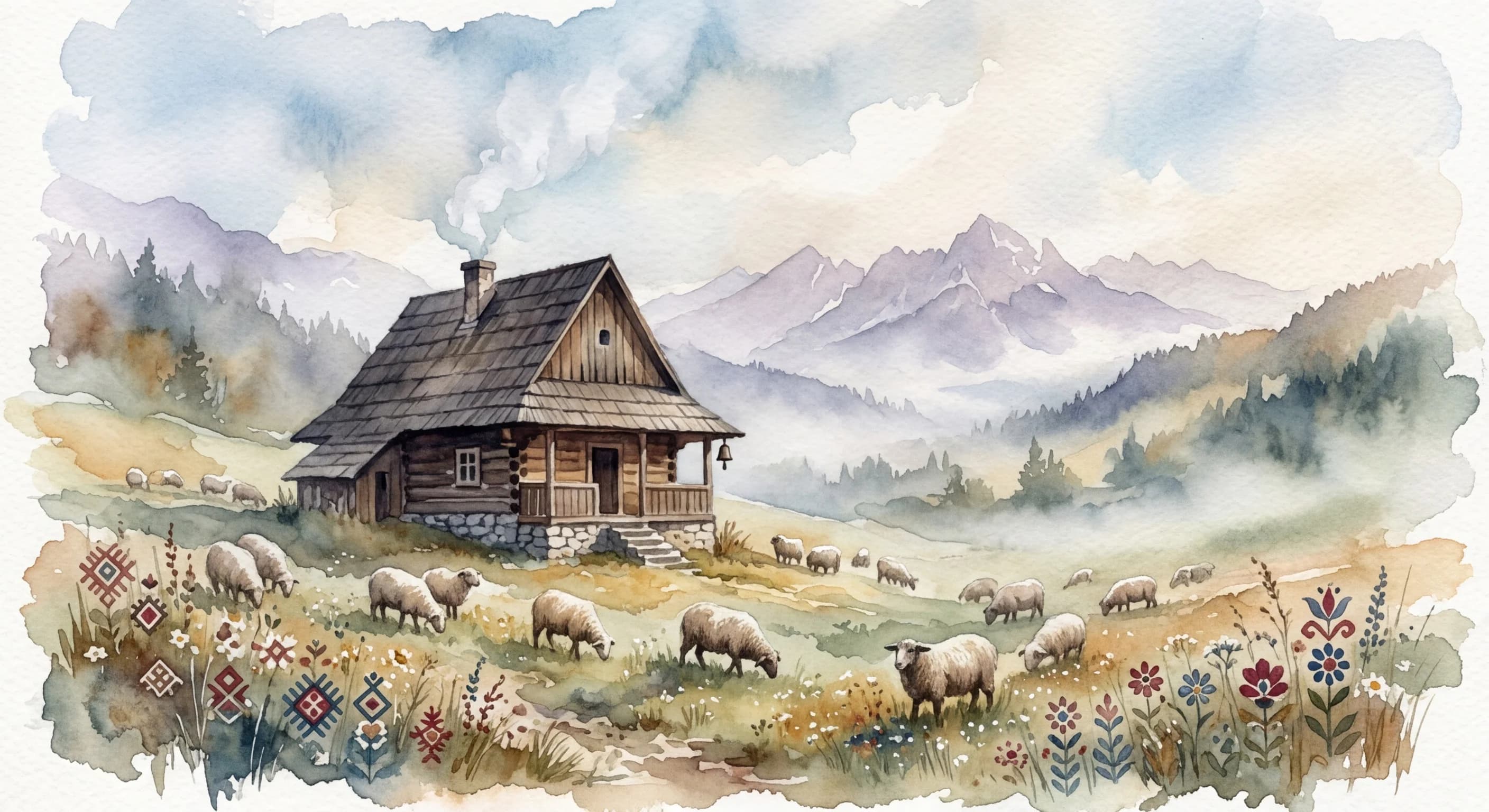
    Artistic representation of Koliba
    Slovak•
    🇨🇿Czech Republic🇸🇰Slovakia🇺🇦Ukraine

    Koliba

    /KOH-lee-bah/

    Meaning

    A koliba is more than a simple hut; it's a quintessential symbol of Slovak mountain life, a rustic sanctuary nestled amidst the peaks of the Carpathians. It embodies a deep-rooted connection to pastoral traditions, where the rhythmic clang of sheep bells, the comforting scent of woodsmoke, and the taste of hearty, unpretentious fare define an existence harmonized with nature. This humble wooden dwelling evokes a powerful nostalgia for self-sufficiency and a simpler, less complicated way of being, etched into the very soul of Central European heritage.

    Literal Translation

    Hut, cottage, sheepfold (depending on context)

    The Story Behind the Word

    The 'koliba' is deeply embedded in Slovak identity, stemming from centuries of pastoralism in the challenging Carpathian landscape. It represents the perseverance and ingenuity of shepherds (bačovia) who adapted to harsh mountain conditions, creating these sturdy, functional, yet deeply symbolic structures. The koliba is a repository of traditional knowledge, from cheese-making (bryndza) to folk medicine, and a focal point for community, even in isolation. Its existence reflects a cultural value placed on resilience, humility, and a profound respect for the natural world, alongside a certain romanticized ideal of freedom and independence found in mountain life. It's not just a building; it's a living echo of an ancestral way of life, a physical manifestation of Slovak folk spirit and a retreat from the complexities of modernity.

    Experience It

    Mountain Hike Reward

    After a strenuous hike through the Tatra mountains, weary travelers spot a wisp of smoke curling from a distant peak. 'Look, a koliba!' one exclaims, knowing that inside awaits warmth, a bowl of traditional kapustnica, and perhaps some fresh sheep cheese, a perfect reward for their efforts.

    Family Summer Tradition

    Every summer, the Novák family visits their ancestral village, making sure to dine at the local koliba. The rustic wooden interior, the sounds of folk music, and the taste of halušky transport them back to a simpler time, reinforcing their cultural roots with each visit.

    The Deeper Meaning

    The koliba embodies a philosophy of minimalist living and profound connection to the land. It suggests that true richness lies not in material possessions, but in self-sufficiency, community, and an intimate understanding of natural cycles. It's a testament to the enduring human desire for simplicity and authenticity in a complex world, highlighting a deep-seated respect for ancestral traditions and the wisdom they hold.

    Did You Know?

    Many modern 'koliba' restaurants are designed to look authentically rustic, but some even incorporate original, centuries-old wooden beams or entire structures relocated from actual shepherd's huts.

    How It's Used

    Used to refer to a traditional wooden shepherd's hut, particularly in mountainous regions. It can also be used to describe a restaurant or inn with a rustic, often wooden, interior and traditional cuisine.

    Emotions
    belonging,comfort,nostalgia,warmth
    Contexts
    dining,nature,seasons,travel
    🇨🇿Czech Republic🇸🇰Slovakia🇺🇦Ukraine

    by Annelise Dubois·Written Mar 10, 2026·Updated Apr 3, 2026

    Related Words

    Explore more
    HyggeDanish

    Hygge is more than mere coziness; it's a holistic embrace of comfort, warmth, and belonging that nourishes the soul. It describes the intentional creation of an intimate atmosphere where simple pleasures, genuine connection, and mindful presence converge, fostering a profound sense of contentment and well-being. It's about finding joy and peace in the small, everyday moments, often shared with loved ones.

    SaudadePortuguese

    Saudade encapsulates a profound, melancholic longing for something or someone cherished that is absent, often with the bittersweet knowledge that it may never return. It's a deep emotional state tinged with nostalgia, evoking a sense of loss for past experiences, places, or people, yet also holding a tender appreciation for the beauty of what once was. This yearning is not merely sadness, but a complex tapestry of desire, memory, and a poignant acceptance of absence, holding the beloved in a warm, persistent embrace within the heart.

    GezelligDutch

    Gezellig encapsulates a profound sense of warmth, belonging, and convivial comfort, extending beyond mere coziness to embrace the social and emotional atmosphere. It's the feeling of being truly at ease, surrounded by good company, laughter, and a shared sense of contentment. This untranslatable term describes not just a physical space, but a holistic experience where time seems to slow down, fostering genuine connection and a deep sense of well-being.

    Dolce far nienteItalian

    Dolce far niente captures the profound joy and effortless pleasure derived from simply existing without obligation or purpose. It's the art of savoring moments of pure, unadulterated idleness – lying in the sun, watching the clouds drift, or enjoying a leisurely coffee – not as a break from work, but as a valuable state in itself. This 'sweetness of doing nothing' is a conscious embrace of stillness and contentment, allowing the soul to breathe and the senses to fully engage with the present.