U.
HomeRegionsLanguagesEmotionsCollections
Find Your Word

“The limits of my language mean the limits of my world.”

— Ludwig Wittgenstein, Philosopher

Untranslatable

A curated collection of the world's most beautiful expressions—words that remind us language is humanity's greatest invention.

  • Home
  • Collections
  • Regions
  • Countries
  • Emotions
  • Tags
  • Contexts
  • Finder
  • Europe
  • Asia
  • Americas
  • Africa
  • Middle East
  • About
  • Contact
  • Privacy Policy
  • Terms of Service

2026 © Untranslatable. All rights reserved.

    /
    /
    1. Home
    2. /
    3. Europe
    4. /
    5. Bača
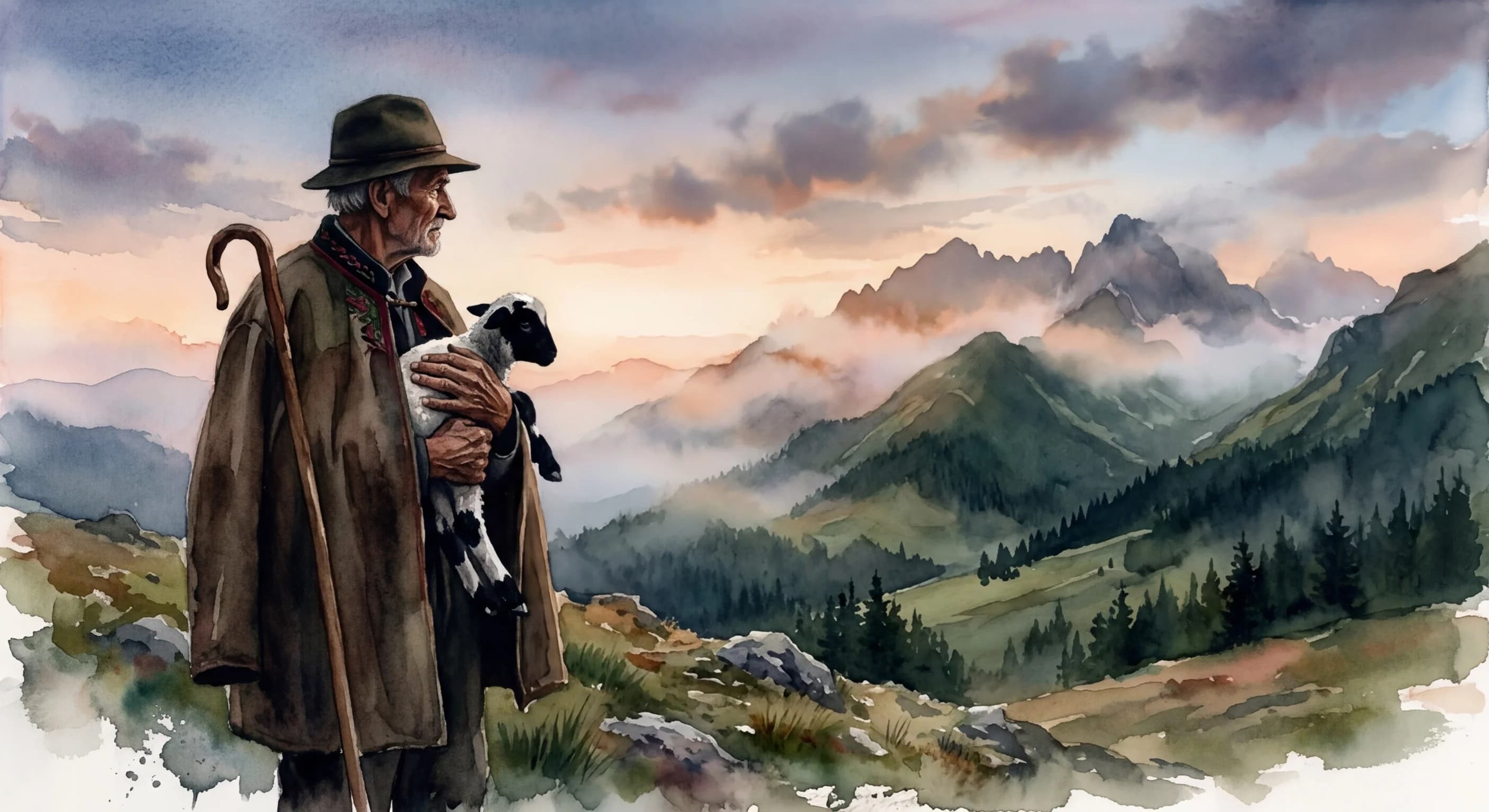
    Artistic representation of Bača
    Slovak•
    🇧🇦Bosnia and Herzegovina🇭🇷Croatia🇷🇸Serbia🇸🇰Slovakia🇸🇮Slovenia

    Bača

    /BAH-cha/

    Meaning

    A "Bača" is far more than just an elderly shepherd; it signifies a venerable patriarch of the mountain pastures, a master of ancient shepherding arts whose wisdom is etched into the very landscape. This figure embodies generations of pastoral tradition, possessing an intuitive understanding of the flocks, the weather, and the rhythms of nature. They are a living repository of knowledge, a guardian of ancestral practices, and a respected elder whose presence ensures the continuity of a vital cultural heritage in the Slovak mountains.

    Literal Translation

    Elderly shepherd

    The Story Behind the Word

    The existence and reverence for the 'Bača' in Slovak culture stems from a long, intertwined history with pastoralism, especially sheep herding in the Carpathian mountains. For centuries, sheep farming was not merely an economic activity but the bedrock of mountain communities, shaping their diet, clothing, and social structure. The 'Bača' represents the pinnacle of this tradition, embodying resilience, self-sufficiency, and a profound respect for the natural world. Their role transcends practical tasks; they are seen as stewards of the land and its resources, protectors of the flock, and keepers of folk wisdom, including traditional cheese-making techniques and knowledge of medicinal herbs. This term reveals a culture that values experience, practical skill, and a deep, almost spiritual, connection to the environment, viewing age as a source of invaluable insight rather than obsolescence.

    Experience It

    Respecting the Bača's Wisdom

    Young Jakub, new to the mountain pasture, was struggling to gather a wayward flock. An old, weathered man with kind eyes approached, offering calm, precise instructions. Jakub, recognizing the 'Bača's' deep understanding, followed his advice, and soon the sheep were safely penned.

    Village Gathering

    At the annual village festival, the 'Bača' was given the place of honor, his presence a silent testament to the community's enduring connection to its roots. Everyone listened intently as he recounted tales of past summers and the challenges of the mountains, his voice carrying the weight of history.

    The Deeper Meaning

    The 'Bača' embodies a philosophy of deep ecological wisdom and intergenerational knowledge transfer. It highlights a worldview where humanity is not separate from nature but intrinsically linked to it, emphasizing sustainable stewardship and respect for the natural cycles. The 'Bača' signifies the value of lived experience over theoretical knowledge, suggesting that true understanding comes from decades of observation and interaction with the environment.

    Did You Know?

    The 'Bača' is traditionally responsible for making 'bryndza,' a unique Slovak sheep's milk cheese, using ancient techniques passed down through generations.

    How It's Used

    Used to refer to an elderly shepherd, often with a sense of respect and admiration for their experience and connection to traditional pastoral life. It can also be used informally to refer to an older, respected man in a rural community.

    Emotions
    belonging,nostalgia,warmth
    Contexts
    dining,family,nature,work
    🇧🇦Bosnia and Herzegovina🇭🇷Croatia🇷🇸Serbia🇸🇰Slovakia🇸🇮Slovenia

    by Sofia Rossi·Written Mar 10, 2026·Updated Apr 3, 2026

    Related Words

    Explore more
    HyggeDanish

    Hygge is more than mere coziness; it's a holistic embrace of comfort, warmth, and belonging that nourishes the soul. It describes the intentional creation of an intimate atmosphere where simple pleasures, genuine connection, and mindful presence converge, fostering a profound sense of contentment and well-being. It's about finding joy and peace in the small, everyday moments, often shared with loved ones.

    SaudadePortuguese

    Saudade encapsulates a profound, melancholic longing for something or someone cherished that is absent, often with the bittersweet knowledge that it may never return. It's a deep emotional state tinged with nostalgia, evoking a sense of loss for past experiences, places, or people, yet also holding a tender appreciation for the beauty of what once was. This yearning is not merely sadness, but a complex tapestry of desire, memory, and a poignant acceptance of absence, holding the beloved in a warm, persistent embrace within the heart.

    GezelligDutch

    Gezellig encapsulates a profound sense of warmth, belonging, and convivial comfort, extending beyond mere coziness to embrace the social and emotional atmosphere. It's the feeling of being truly at ease, surrounded by good company, laughter, and a shared sense of contentment. This untranslatable term describes not just a physical space, but a holistic experience where time seems to slow down, fostering genuine connection and a deep sense of well-being.

    Dolce far nienteItalian

    Dolce far niente captures the profound joy and effortless pleasure derived from simply existing without obligation or purpose. It's the art of savoring moments of pure, unadulterated idleness – lying in the sun, watching the clouds drift, or enjoying a leisurely coffee – not as a break from work, but as a valuable state in itself. This 'sweetness of doing nothing' is a conscious embrace of stillness and contentment, allowing the soul to breathe and the senses to fully engage with the present.