U.
HomeRegionsLanguagesEmotionsCollections
Find Your Word

“The limits of my language mean the limits of my world.”

— Ludwig Wittgenstein, Philosopher

Untranslatable

A curated collection of the world's most beautiful expressions—words that remind us language is humanity's greatest invention.

  • Home
  • Collections
  • Regions
  • Countries
  • Emotions
  • Tags
  • Contexts
  • Finder
  • Europe
  • Asia
  • Americas
  • Africa
  • Middle East
  • About
  • Contact
  • Privacy Policy
  • Terms of Service

2026 © Untranslatable. All rights reserved.

    /
    /
    1. Home
    2. /
    3. Asia
    4. /
    5. Tsundoku
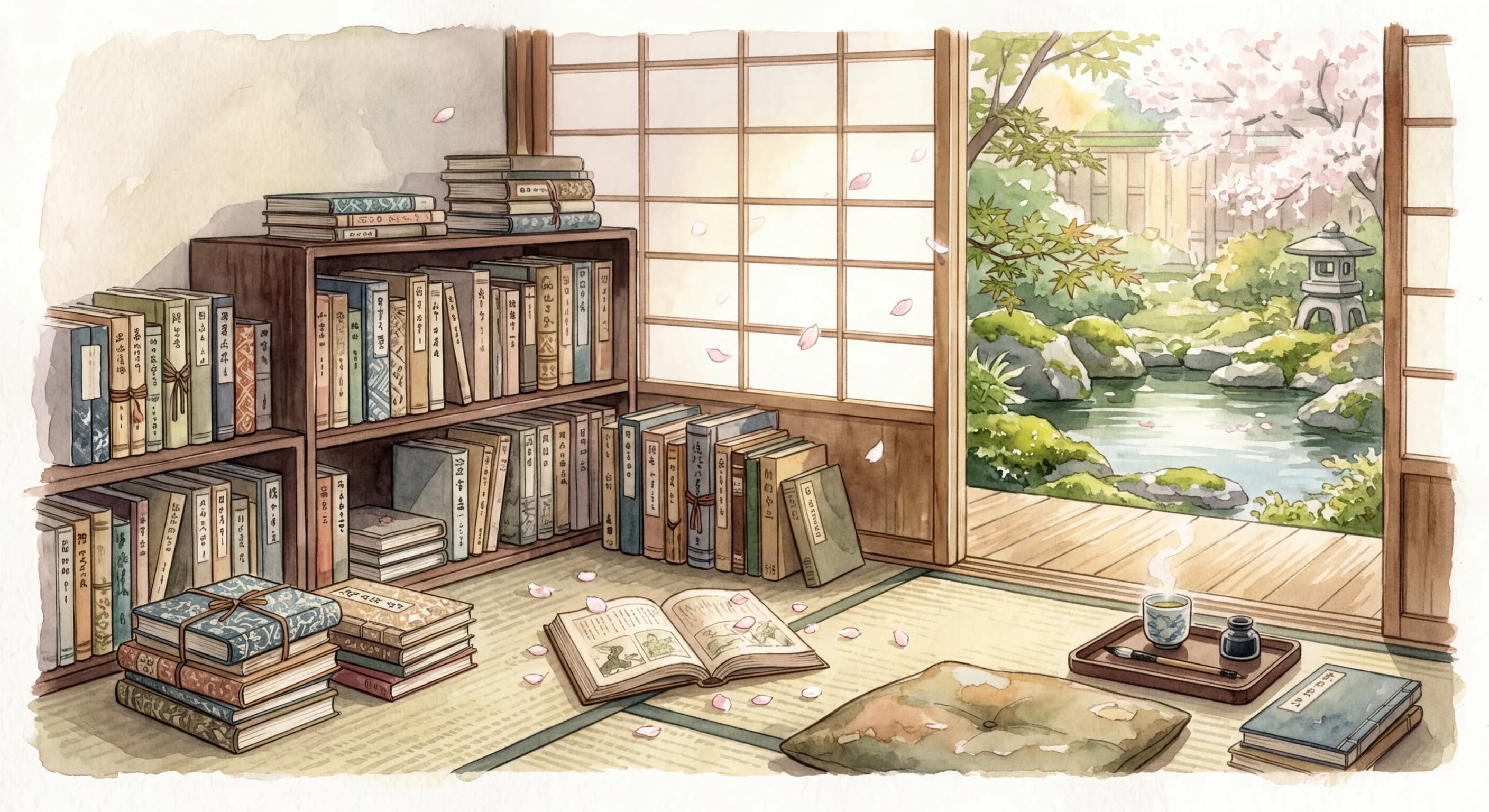
    Artistic representation of Tsundoku
    Japanese•
    🇯🇵Japan

    Tsundoku

    /TSOO-n-DOH-koo/

    Meaning

    Tsundoku is the delightful, often guilt-tinged, habit of acquiring books and other reading materials only to let them stack up unread in one's home. It's more than mere procrastination; it embodies a specific form of bibliophilia where the joy of possession and the promise of future enlightenment outweigh the immediate act of consumption. These accumulating piles represent a personal library of potential knowledge and stories, a comforting testament to intellectual aspiration rather than a source of shame.

    Literal Translation

    The word is a portmanteau of 'tsunde oku' (to pile things up and leave them) and 'dokusho' (reading).

    The Story Behind the Word

    The existence of 'tsundoku' in Japanese culture speaks to a deep reverence for knowledge, learning, and the physical manifestation of intellectual pursuit. Japan has a long history of valuing scholarship, literature, and meticulous craftsmanship, which extends to books as cherished objects. The word subtly acknowledges that the aspiration to read and learn is often as significant as the act itself, reflecting a cultural appreciation for delayed gratification and the aesthetic of accumulation. It also hints at a societal comfort with imperfection and the beauty found in the everyday, unpolished reality of life, where even unread books can contribute to a comforting domestic landscape.

    Experience It

    The Scholar's Retreat

    Professor Tanaka's study is a testament to his 'tsundoku.' Towering stacks of unread philosophy texts and historical volumes line every surface, promising intellectual journeys yet to be embarked upon. Each new acquisition brings a quiet thrill, adding to the comforting, scholarly clutter that defines his personal space.

    Weekend Bookstore Haul

    After a delightful afternoon at the bookstore, Kenji returns home with three new novels, carefully placing them atop the already substantial pile on his bedside table. He knows he might not get to them for months, but the sheer presence of these unread stories fills him with a gentle sense of contentment and anticipation.

    The Deeper Meaning

    Tsundoku subtly highlights the human tendency to prioritize aspiration over action, and the comfort found in potentiality. It suggests that the mere presence of knowledge, even unconsumed, can be a source of intellectual and emotional richness, reflecting a worldview where the journey and the promise are often as valuable as the destination itself.

    Did You Know?

    Though it sounds ancient, 'tsundoku' only gained popularity in the late 19th century, humorously describing a common academic affliction of the Meiji era.

    How It's Used

    Used to describe the habit of buying books and letting them accumulate unread, often displayed on shelves or stacks around the home.

    Emotions
    contentment,joy,warmth
    Contexts
    relaxation,solitude,work
    🇯🇵Japan

    by Annelise Dubois·Written Mar 10, 2026·Updated Apr 3, 2026

    Related Words

    Explore more
    HyggeDanish

    Hygge is more than mere coziness; it's a holistic embrace of comfort, warmth, and belonging that nourishes the soul. It describes the intentional creation of an intimate atmosphere where simple pleasures, genuine connection, and mindful presence converge, fostering a profound sense of contentment and well-being. It's about finding joy and peace in the small, everyday moments, often shared with loved ones.

    GezelligDutch

    Gezellig encapsulates a profound sense of warmth, belonging, and convivial comfort, extending beyond mere coziness to embrace the social and emotional atmosphere. It's the feeling of being truly at ease, surrounded by good company, laughter, and a shared sense of contentment. This untranslatable term describes not just a physical space, but a holistic experience where time seems to slow down, fostering genuine connection and a deep sense of well-being.

    Wabi-sabiJapanese

    Wabi-sabi is the profound appreciation for the ephemeral, the imperfect, and the incomplete aspects of existence. It is about discovering beauty in the subtle textures of age, the unique character of flaws, and the gentle decay that marks the passage of time. This philosophy encourages a quiet acceptance of impermanence and a mindful connection to the natural world, finding elegance in simplicity and authenticity.

    IkigaiJapanese

    Ikigai is more than just a reason to get out of bed; it's a deeply personal and evolving sense of purpose that brings genuine fulfillment and joy to one's life. It represents the sweet spot where your passions, talents, needs of the world, and what you can be paid for beautifully converge. Discovering your ikigai often leads to a life lived with intentionality, resilience, and a profound connection to one's contributions. It's the intrinsic motivation that fuels a meaningful existence, regardless of external circumstances.