U.
HomeRegionsLanguagesEmotionsCollections
Find Your Word

“The limits of my language mean the limits of my world.”

— Ludwig Wittgenstein, Philosopher

Untranslatable

A curated collection of the world's most beautiful expressions—words that remind us language is humanity's greatest invention.

  • Home
  • Collections
  • Regions
  • Countries
  • Emotions
  • Tags
  • Contexts
  • Finder
  • Europe
  • Asia
  • Americas
  • Africa
  • Middle East
  • About
  • Contact
  • Privacy Policy
  • Terms of Service

2026 © Untranslatable. All rights reserved.

    /
    /
    1. Home
    2. /
    3. Asia
    4. /
    5. Natsukashii
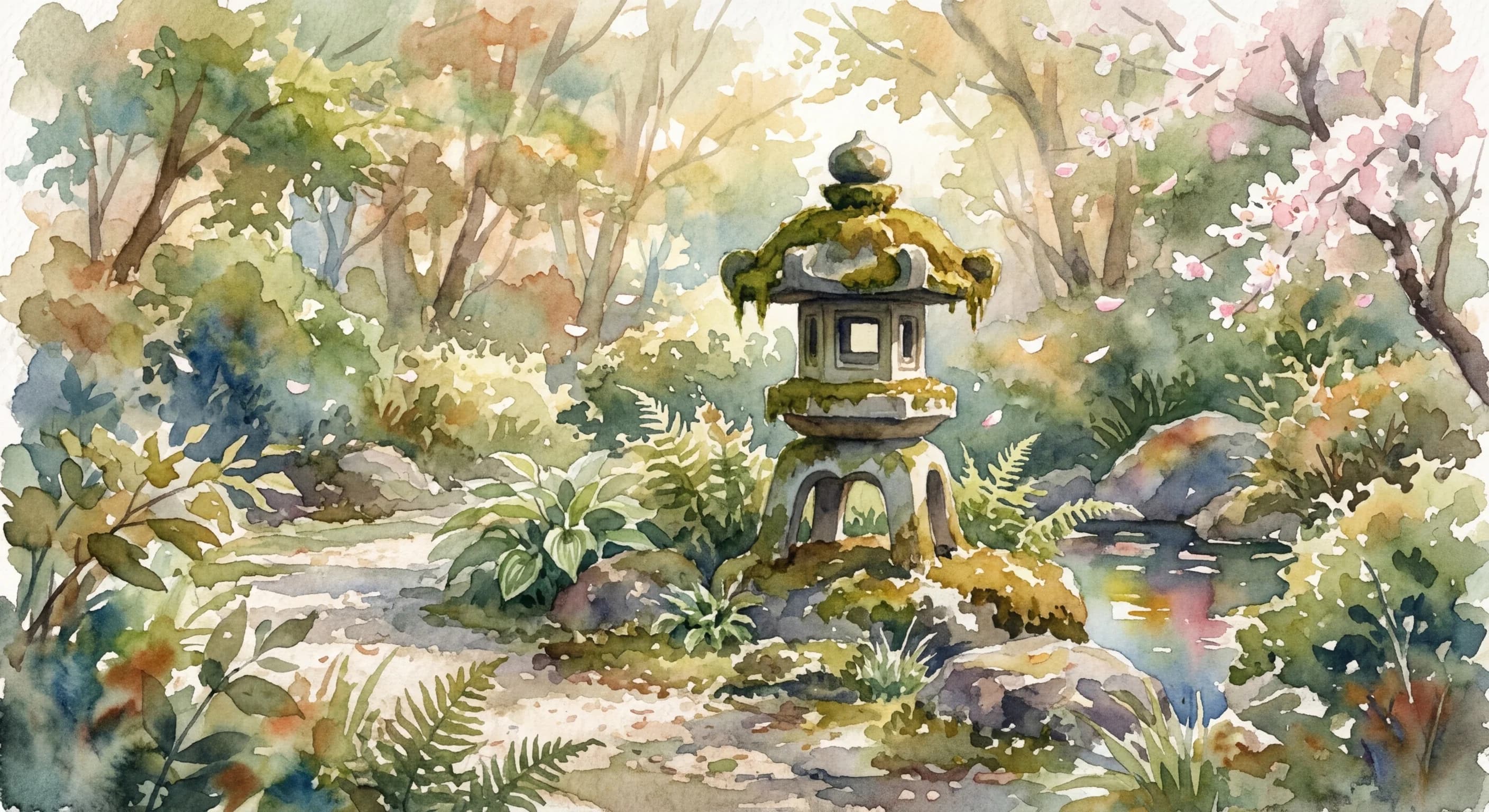
    Artistic representation of Natsukashii
    Japanese•
    🇯🇵Japan

    Natsukashii

    /nah-tsoo-KAH-shee/

    Meaning

    Natsukashii encapsulates a bittersweet longing for the past, a gentle nostalgia evoked by memories, places, or objects that once brought joy. It's the warmth of a cherished moment re-experienced, tinged with a delicate sadness for its transience, yet ultimately comforting. This feeling often arises spontaneously from sensory triggers, transporting one back to a simpler, happier time without regret, but with an appreciative embrace of what was.

    Literal Translation

    The literal meaning is complex, but it relates to 'summer' (夏 natsu) and 'missing' or 'longing' (かしい kashii), suggesting a longing for past, perhaps simpler, times, often idealized like a summer memory.

    The Story Behind the Word

    The existence of 'natsukashii' in Japanese culture speaks to a profound appreciation for the passage of time and the beauty of impermanence, concepts deeply rooted in Buddhist philosophy and Shinto reverence for nature's cycles. It reflects a cultural value placed on memory, not as a source of regret for what's lost, but as a wellspring of gentle sentiment for what was experienced. This word embodies a collective emotional landscape where the past is not merely remembered but felt and honored, contributing to a sense of continuity and connection across generations. It’s a quiet acknowledgment that joy and beauty are often fleeting, making their recollection all the more precious.

    Experience It

    Childhood Lunchbox Memory

    Walking past a bakery, the scent of fresh melon pan fills the air. A wave of natsukashii washes over Hiroshi, reminding him of his elementary school days when his mother would pack a freshly baked melon pan in his lunchbox, a sweet treat that always made him smile.

    Old School Song

    At a karaoke bar, an old song from the 80s starts playing. Everyone in the room collectively sighs, a shared feeling of natsukashii for their youth, singing along with genuine fondness for a time when life felt simpler and full of possibility.

    The Deeper Meaning

    Natsukashii reflects a worldview that embraces mono no aware (物の哀れ), the pathos of things, a gentle melancholy at the ephemeral nature of beauty and life. It suggests that finding beauty in transience and cherishing past joys, even with a hint of sadness, is a profound way to engage with existence, fostering a deep appreciation for every moment.

    Did You Know?

    The 'kashii' part of 'natsukashii' is related to 'koishii' (恋しい), which means 'to miss' or 'to long for' a person. This connection highlights the deeply personal and affectionate nature of the feeling.

    How It's Used

    This word is commonly used to express a fond recollection of something from one's past, often when prompted by a specific trigger like a scent, sound, or sight.

    Emotions
    bittersweet,joy,nostalgia,warmth
    Contexts
    childhood,family,history,seasons
    🇯🇵Japan

    by Annelise Dubois·Written Mar 10, 2026·Updated Apr 3, 2026

    Related Words

    Explore more
    GezelligDutch

    Gezellig encapsulates a profound sense of warmth, belonging, and convivial comfort, extending beyond mere coziness to embrace the social and emotional atmosphere. It's the feeling of being truly at ease, surrounded by good company, laughter, and a shared sense of contentment. This untranslatable term describes not just a physical space, but a holistic experience where time seems to slow down, fostering genuine connection and a deep sense of well-being.

    Wabi-sabiJapanese

    Wabi-sabi is the profound appreciation for the ephemeral, the imperfect, and the incomplete aspects of existence. It is about discovering beauty in the subtle textures of age, the unique character of flaws, and the gentle decay that marks the passage of time. This philosophy encourages a quiet acceptance of impermanence and a mindful connection to the natural world, finding elegance in simplicity and authenticity.

    IkigaiJapanese

    Ikigai is more than just a reason to get out of bed; it's a deeply personal and evolving sense of purpose that brings genuine fulfillment and joy to one's life. It represents the sweet spot where your passions, talents, needs of the world, and what you can be paid for beautifully converge. Discovering your ikigai often leads to a life lived with intentionality, resilience, and a profound connection to one's contributions. It's the intrinsic motivation that fuels a meaningful existence, regardless of external circumstances.

    NunchiKorean

    Nunchi is the sophisticated, almost telepathic, ability to instantly grasp the unspoken dynamics of any social situation, anticipating others' thoughts and feelings, and then responding with impeccable grace and timing. It's an acute form of social intuition, allowing one to navigate complex interpersonal landscapes by reading subtle cues like body language, tone, and context. Possessing good nunchi means effortlessly understanding the underlying emotional currents and adjusting one's behavior to maintain harmony and effectiveness, often without a single word exchanged.

    Featured in 2 collections

    🍲Culinary Comforts⏳Temporal Tapestry