Furusato
/foo-ROO-sah-toh/
Meaning
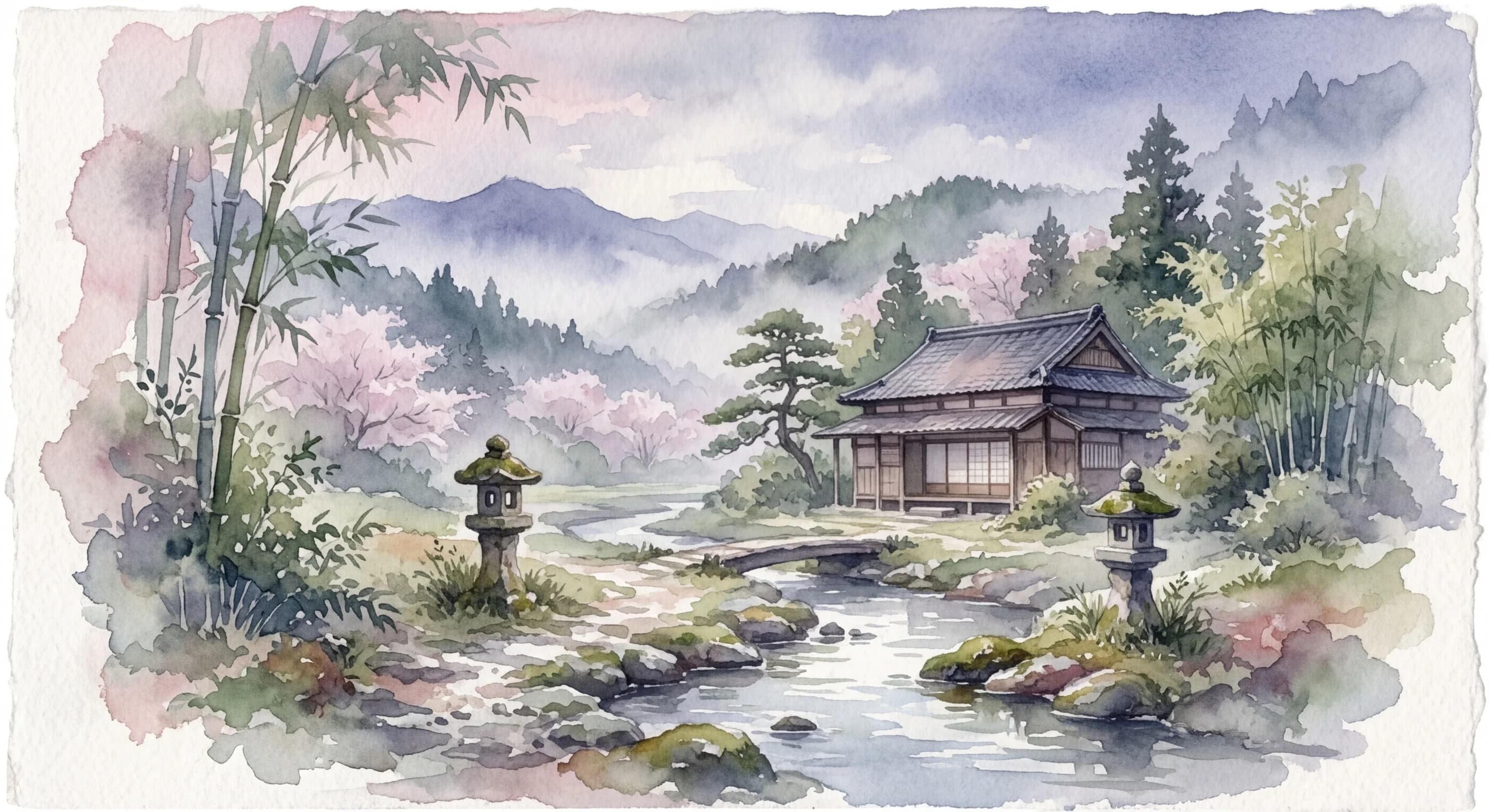
Furusato embodies a profound, almost spiritual yearning for one's hometown or childhood abode, transcending mere geographical location. It's a cherished sanctuary woven from memories, familiar landscapes, and the comforting embrace of belonging, often contrasted with the transient nature of modern urban life. This feeling carries a deep emotional resonance, a bittersweet blend of nostalgia for an idyllic past, a gentle melancholy for what has irrevocably changed, and a profound sense of rootedness and warmth derived from those foundational experiences. It represents an idealized, almost sacred vision of home, imbued with the security and innocence of formative years.
Literal Translation
old village/hometown
The Story Behind the Word
The concept of Furusato is deeply embedded in Japanese culture, reflecting a historical connection to agrarian communities and a strong emphasis on ancestral roots and communal ties. As Japan rapidly urbanized in the post-WWII era, many left their rural homes for big cities, leading to a widespread sense of displacement and longing for a simpler, more connected past. This yearning was amplified by government initiatives like the 'Furusato Sosei' (Hometown Creation) project, which sought to revitalize rural areas and strengthen local identities. Furusato thus became a powerful symbol of identity, continuity, and a collective memory of a shared heritage, representing a spiritual anchor in a rapidly changing world. It speaks to a societal value placed on belonging, intergenerational connection, and the comforting predictability of tradition.
Experience It
City Dweller's Longing
A salaryman, crammed on a Tokyo train during rush hour, closes his eyes. He pictures the clear river near his childhood home in Hokkaido, the scent of pine, and his grandmother's warm cooking. He sighs, a wave of furusato washing over him, wishing he could return to that peaceful simplicity.
Elderly Reminiscence
An elderly woman gazes out her apartment window, watching children play in a park. She remembers her own childhood games in her small village, the sound of cicadas in summer, and the warmth of her family's hearth. 'Ah, my furusato,' she murmurs softly, a gentle smile gracing her lips, 'how I miss those days.'
The Deeper Meaning
Furusato reveals a profound Japanese philosophical inclination towards the idealization of origin and community. It suggests that true identity and emotional well-being are deeply intertwined with one's roots and the foundational experiences of childhood, often contrasting this idealized past with the perceived alienation of modern life. This concept posits that a connection to a specific place, not just as a location but as a repository of shared human experience and memory, is essential for a complete sense of self.
Did You Know?
The Japanese government runs a 'Furusato Nouzei' (Hometown Tax Donation) system, allowing people to donate to their chosen 'furusato' (often their actual hometown or a place they admire) and receive tax deductions and local products in return, directly linking the emotional concept to civic engagement.
How It's Used
Used to express a longing for one's hometown or childhood, often when living far away or reflecting on the past. It can be invoked in songs, literature, and personal conversations to describe a deep emotional connection to a place.