U.
HomeRegionsLanguagesEmotionsCollections
Find Your Word

“The limits of my language mean the limits of my world.”

— Ludwig Wittgenstein, Philosopher

Untranslatable

A curated collection of the world's most beautiful expressions—words that remind us language is humanity's greatest invention.

  • Home
  • Collections
  • Regions
  • Countries
  • Emotions
  • Tags
  • Contexts
  • Finder
  • Europe
  • Asia
  • Americas
  • Africa
  • Middle East
  • About
  • Contact
  • Privacy Policy
  • Terms of Service

2026 © Untranslatable. All rights reserved.

    /
    /
    1. Home
    2. /
    3. Asia
    4. /
    5. Ganbaru
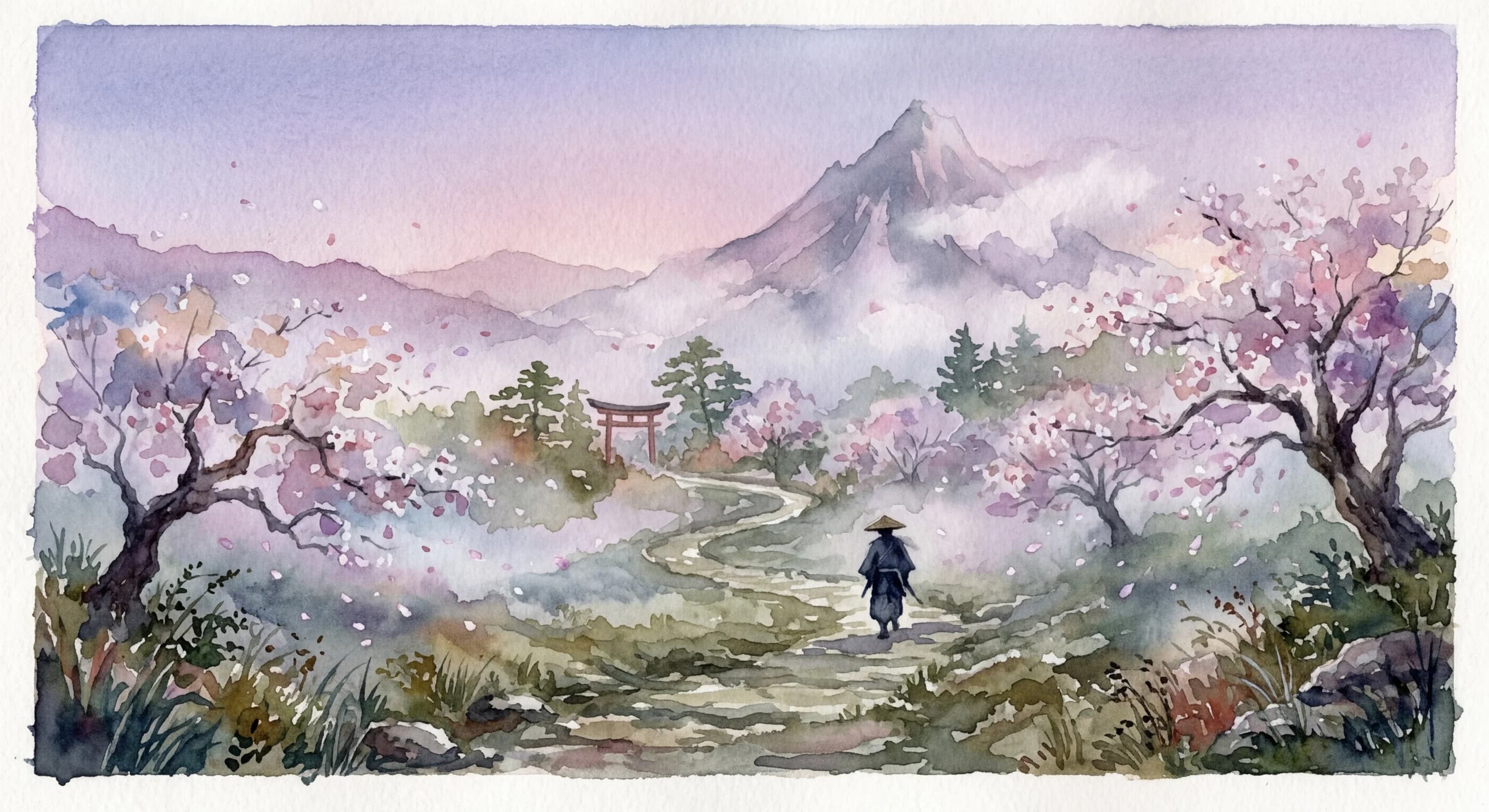
    Artistic representation of Ganbaru
    Japanese•
    🇯🇵Japan

    Ganbaru

    /GAHN-bah-roo/

    Meaning

    Ganbaru embodies the profound Japanese spirit of unwavering perseverance and giving one's absolute best, even when confronting seemingly insurmountable obstacles. It’s a powerful call to dig deep, pushing through challenges in academics, athletics, or daily life with unyielding determination. This word conveys a deep cultural conviction that the effort itself, the sheer act of striving, holds immense value and dignity, irrespective of the final outcome. It celebrates resilience and the inherent nobility found in never giving up.

    Literal Translation

    to persevere, to do one's best, to hold out, to persist

    The Story Behind the Word

    Ganbaru is deeply embedded in Japanese culture, reflecting centuries of communal living, a strong work ethic, and the influence of philosophies like Buddhism and Confucianism, which emphasize self-discipline, perseverance, and contributing to the collective. Its prevalence speaks to a society that values sustained effort and commitment over instant gratification or individual glory. The concept is often linked to the idea of 'gaman' (enduring the seemingly unbearable with patience and dignity) and 'do your best' mentality, fostering a collective resilience that has been crucial in overcoming natural disasters and rebuilding the nation. It reveals a cultural perspective where the journey of striving is as important, if not more, than the destination, shaping a society that admires tenacity and dedication.

    Experience It

    Exam Study Session

    A group of university students are pulling an all-nighter before a major exam. One student, clearly exhausted, slumps over his books. His friend gently pats his back and says, 'Ganbaru! Just a little more, we can do this!'

    Marathon Race Finish

    A runner, visibly struggling and close to collapsing, sees the finish line of a marathon. Spectators along the route cheer, 'Ganbare! Ganbare!' Their shouts ignite a final burst of energy, allowing her to push through to the end.

    The Deeper Meaning

    Ganbaru underscores a profound Japanese philosophical outlook where sustained effort and the process of striving are inherently valuable, transcending the outcome. It embodies a stoic acceptance of hardship combined with an active, determined response, suggesting that true character is forged not in ease, but through diligent perseverance in the face of adversity. This perspective fosters a culture of resilience and an appreciation for the dignity of hard work, irrespective of immediate success.

    Did You Know?

    During the devastating 2011 Tohoku earthquake and tsunami, 'Ganbaru, Japan!' became a national rallying cry, symbolizing the collective spirit of resilience and determination to rebuild.

    How It's Used

    Used as a cheer, encouragement, or a reminder to oneself to keep trying and give one's best effort, especially in the face of adversity or during challenging tasks. It can be said to others or used internally.

    Emotions
    belonging,gratitude,hope,warmth
    Contexts
    daily life,education,work
    🇯🇵Japan

    by Sofia Rossi·Written Mar 10, 2026·Updated Apr 3, 2026

    Related Words

    Explore more
    GezelligDutch

    Gezellig encapsulates a profound sense of warmth, belonging, and convivial comfort, extending beyond mere coziness to embrace the social and emotional atmosphere. It's the feeling of being truly at ease, surrounded by good company, laughter, and a shared sense of contentment. This untranslatable term describes not just a physical space, but a holistic experience where time seems to slow down, fostering genuine connection and a deep sense of well-being.

    SobremesaSpanish

    Sobremesa is the cherished, often extended period immediately following a meal, particularly lunch or dinner, where diners remain seated at the table to enjoy conversation, coffee, and digest not just the food, but the company itself. It’s a dedicated time for unhurried social bonding, storytelling, and shared laughter, transforming a simple meal into a profound communal experience. Far from just clearing the dishes, sobremesa is an integral part of Spanish social life, often lasting for hours.

    Wabi-sabiJapanese

    Wabi-sabi is the profound appreciation for the ephemeral, the imperfect, and the incomplete aspects of existence. It is about discovering beauty in the subtle textures of age, the unique character of flaws, and the gentle decay that marks the passage of time. This philosophy encourages a quiet acceptance of impermanence and a mindful connection to the natural world, finding elegance in simplicity and authenticity.

    IkigaiJapanese

    Ikigai is more than just a reason to get out of bed; it's a deeply personal and evolving sense of purpose that brings genuine fulfillment and joy to one's life. It represents the sweet spot where your passions, talents, needs of the world, and what you can be paid for beautifully converge. Discovering your ikigai often leads to a life lived with intentionality, resilience, and a profound connection to one's contributions. It's the intrinsic motivation that fuels a meaningful existence, regardless of external circumstances.