U.
HomeRegionsLanguagesEmotionsCollections
Find Your Word

“The limits of my language mean the limits of my world.”

— Ludwig Wittgenstein, Philosopher

Untranslatable

A curated collection of the world's most beautiful expressions—words that remind us language is humanity's greatest invention.

  • Home
  • Collections
  • Regions
  • Countries
  • Emotions
  • Tags
  • Contexts
  • Finder
  • Europe
  • Asia
  • Americas
  • Africa
  • Middle East
  • About
  • Contact
  • Privacy Policy
  • Terms of Service

2026 © Untranslatable. All rights reserved.

    /
    /
    1. Home
    2. /
    3. Asia
    4. /
    5. Kuidaore
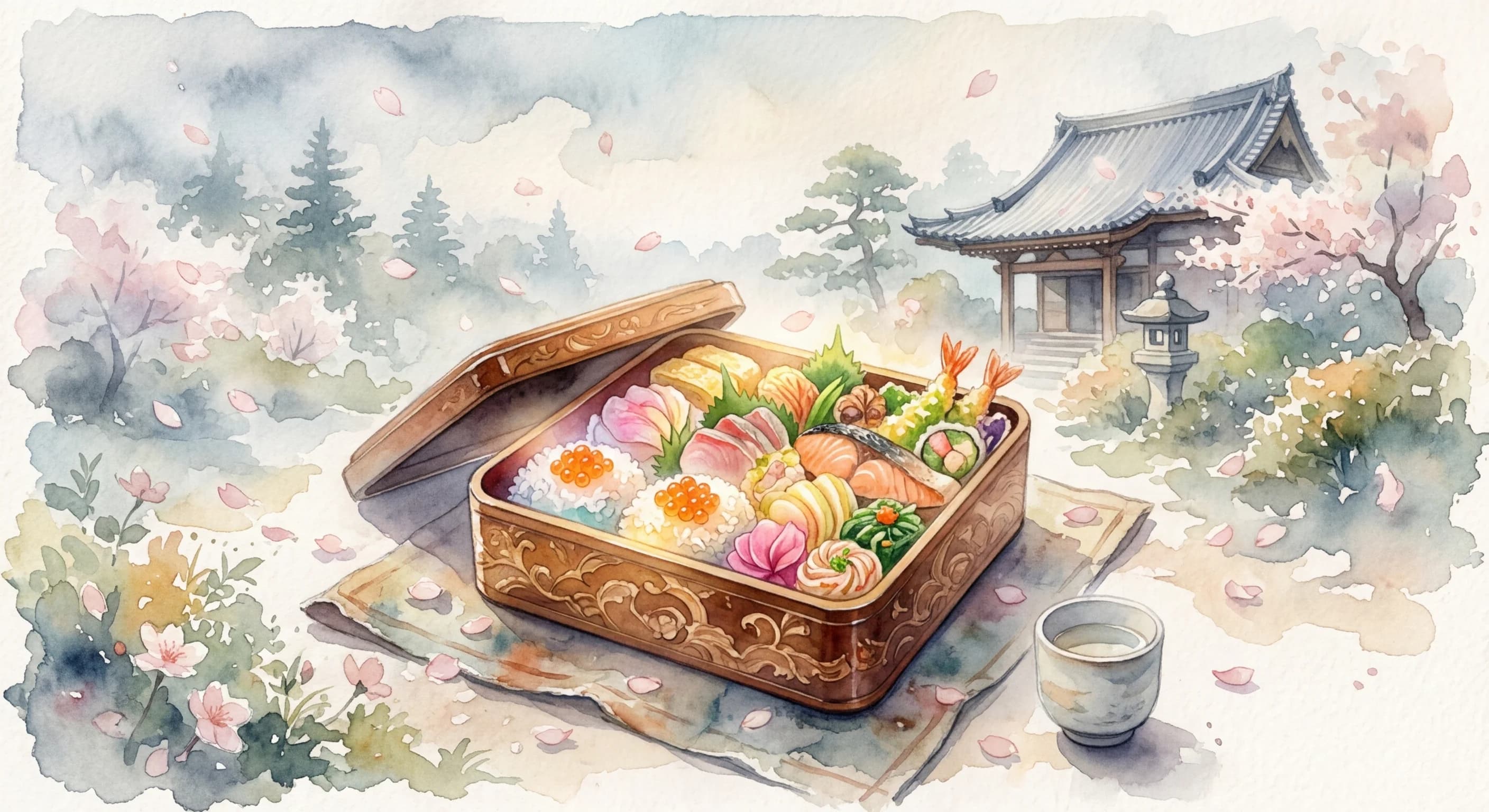
    Artistic representation of Kuidaore
    Japanese•
    🇯🇵Japan

    Kuidaore

    /Koo-ee-dah-oh-ray/

    Meaning

    Kuidaore is the exuberant, almost fanatical pursuit of culinary pleasure, particularly associated with Osaka. It describes a passionate dedication to eating and drinking to such an extent that one might spend lavishly, neglecting other financial responsibilities, or even risk one's health. This isn't mere gluttony, but a profound appreciation for food as an art form and a central pillar of life's joys, where the experience of exquisite taste and quality reigns supreme, even at personal cost.

    Literal Translation

    eat until ruin

    The Story Behind the Word

    The concept of Kuidaore is deeply embedded in Osaka's identity, often encapsulated by the saying, "Kyotoites dress until they drop, Osakans eat until they drop." Historically, Osaka was a merchant city, a hub for trade and commerce, which fostered a pragmatic, pleasure-seeking culture distinct from the more aristocratic, aesthetically refined Kyoto. Food was abundant and diverse, leading to a competitive culinary scene where quality and flavor were paramount. This environment cultivated a philosophy that valued immediate, tangible enjoyment, particularly through food, over austere frugality. It reflects a worldview where life's pleasures, especially gastronomic ones, are to be embraced wholeheartedly, even if it means living for the moment and disregarding future consequences, embodying a spirit of epicurean abandon.

    Experience It

    Festival of Flavors

    During a street food festival, Kenji, despite his limited budget, found himself unable to resist trying every tantalizing aroma. He spent his entire week's allowance on takoyaki, okonomiyaki, and various other delicacies, proclaiming, 'This is true kuidaore!' knowing he'd be eating instant noodles for days.

    Gourmet Getaway

    Akira and his friends planned a weekend trip to Osaka with one goal: to experience kuidaore. They meticulously researched the best restaurants and spent hours feasting on fugu, kobe beef, and Michelin-starred dishes, waking up on Monday morning with empty wallets but full hearts, already planning their next culinary adventure.

    The Deeper Meaning

    Kuidaore reveals a philosophy that prioritizes sensory experience and immediate gratification over long-term prudence. It suggests that life's ultimate joys are often found in the present moment, particularly through the communal and artistic experience of food. This worldview, while potentially reckless, celebrates a deep appreciation for quality, flavor, and the vibrant tapestry of human pleasure, viewing culinary indulgence not as a vice, but as a profound expression of living fully.

    Did You Know?

    Osaka's iconic Dotonbori district, famous for its vibrant food scene, even has a mechanical clown figure named Kuidaore Taro, symbolizing the city's legendary love for eating to excess.

    How It's Used

    Used to describe the act of eating to excess, often to the point of financial ruin or illness, as a way of celebrating and fully experiencing food.

    Emotions
    gratitude,joy
    Contexts
    celebration,dining
    🇯🇵Japan

    by Annelise Dubois·Written Mar 10, 2026·Updated Apr 3, 2026

    Related Words

    Explore more
    Wabi-sabiJapanese

    Wabi-sabi is the profound appreciation for the ephemeral, the imperfect, and the incomplete aspects of existence. It is about discovering beauty in the subtle textures of age, the unique character of flaws, and the gentle decay that marks the passage of time. This philosophy encourages a quiet acceptance of impermanence and a mindful connection to the natural world, finding elegance in simplicity and authenticity.

    IkigaiJapanese

    Ikigai is more than just a reason to get out of bed; it's a deeply personal and evolving sense of purpose that brings genuine fulfillment and joy to one's life. It represents the sweet spot where your passions, talents, needs of the world, and what you can be paid for beautifully converge. Discovering your ikigai often leads to a life lived with intentionality, resilience, and a profound connection to one's contributions. It's the intrinsic motivation that fuels a meaningful existence, regardless of external circumstances.

    NunchiKorean

    Nunchi is the sophisticated, almost telepathic, ability to instantly grasp the unspoken dynamics of any social situation, anticipating others' thoughts and feelings, and then responding with impeccable grace and timing. It's an acute form of social intuition, allowing one to navigate complex interpersonal landscapes by reading subtle cues like body language, tone, and context. Possessing good nunchi means effortlessly understanding the underlying emotional currents and adjusting one's behavior to maintain harmony and effectiveness, often without a single word exchanged.

    JugaadHindi

    Jugaad is more than just a quick fix; it embodies the spirit of resourceful, ingenious improvisation in the face of scarcity or systemic challenges. It's the art of bending rules, repurposing materials, and thinking outside the box to achieve a desired outcome, often with limited financial or technological resources. This approach celebrates clever workarounds and innovative adaptations, turning constraints into catalysts for creative problem-solving. It's about making do and making something work, brilliantly.