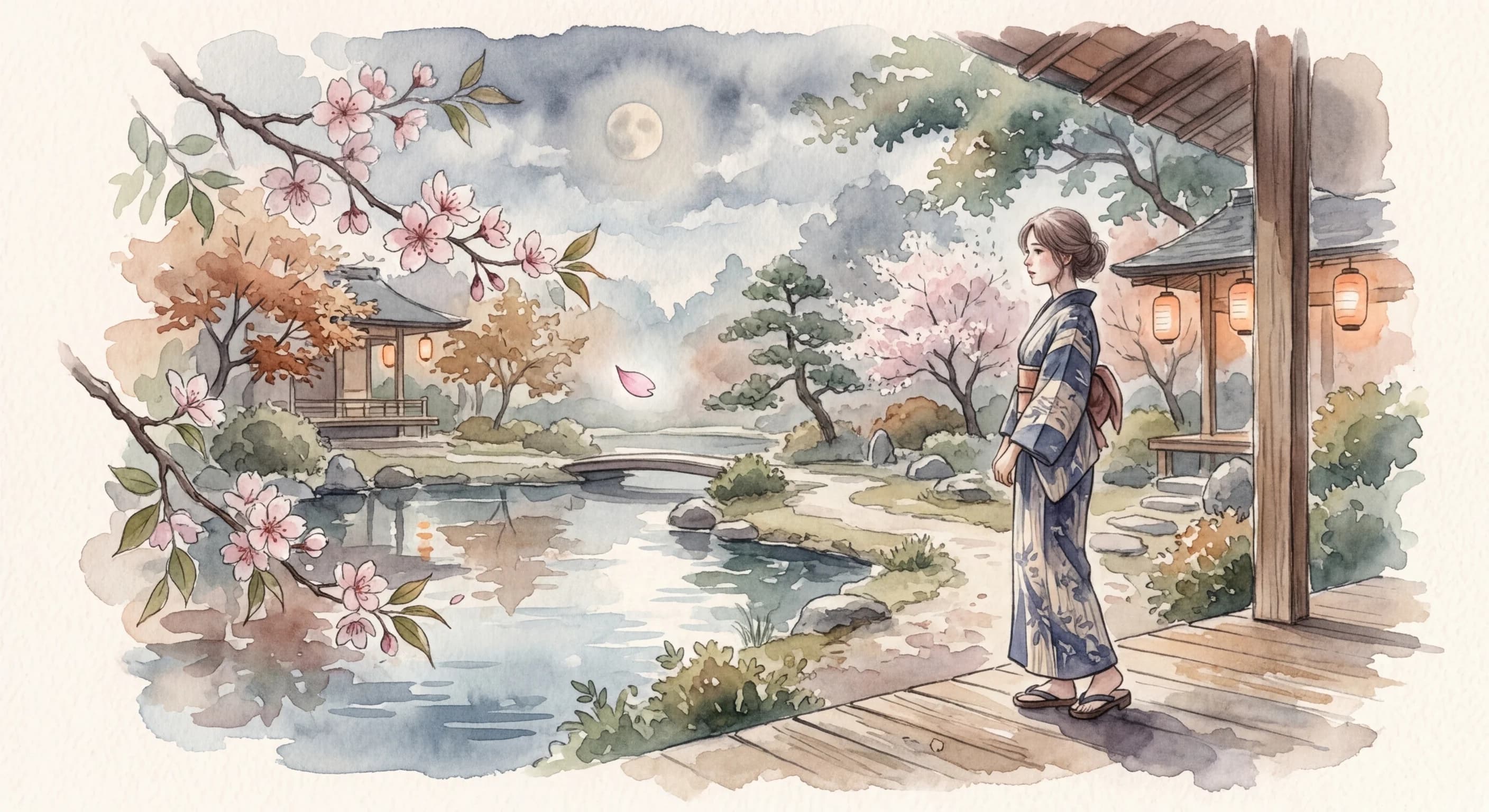
Ninjo
/NEEN-joh/
Meaning
Ninjo encapsulates the raw, unfiltered spectrum of human emotions and desires – the very essence of our individual hearts. It speaks to our innate capacity for love, sorrow, anger, and joy, often arising spontaneously within the intricate web of personal relationships and daily life. This concept vividly portrays the internal tug-of-war when these deeply felt personal inclinations inevitably collide with the external pressures of duty, social norms, and collective expectations, highlighting the poignant and often messy reality of being human in a structured world.
Literal Translation
human emotion
The Story Behind the Word
Ninjo's prominence in Japanese culture is deeply rooted in a societal structure that historically placed immense value on group harmony and adherence to rigid social codes. For centuries, concepts like giri (duty/obligation) and on (indebtedness) dictated much of social conduct. Ninjo emerged as the counterpoint, acknowledging the undeniable force of individual human feelings that often defy such strictures. Its frequent appearance in traditional arts like Kabuki and Joruri, where protagonists grapple with the agonizing choice between duty and personal desire, reveals a cultural understanding that while conformity is important, the human heart cannot be entirely suppressed. It underscores a profound appreciation for the complexity of human experience, recognizing that the ideal of stoicism often masks a vibrant, struggling inner world. This word exists because Japanese society, while valuing order, also deeply understands and empathizes with the inherent conflict within the human spirit.
Experience It
The Unspoken Sacrifice
A young woman feels a deep ninjo to care for her ailing mother, wishing to stay by her side. However, her giri to her company demands she take a crucial overseas assignment, forcing her into an agonizing internal battle between love and obligation.
Conflicted Loyalties
A police officer discovers his childhood friend is involved in a crime. His professional giri demands he report him, but his ninjo, a powerful sense of loyalty and shared history, makes the decision almost unbearable, tearing him between duty and personal connection.
The Deeper Meaning
Ninjo reflects a profoundly humanistic worldview, acknowledging that despite societal structures or moral codes, the human heart remains a powerful, often unpredictable, force. It suggests that true understanding of human nature requires recognizing this internal struggle, not just idealizing stoicism or perfect adherence to duty. This concept reveals a culture that, while valuing conformity, also possesses a deep empathy for the individual's emotional landscape and the inherent tragedy and beauty in their internal conflicts.
Did You Know?
Many classic Japanese tales, like 'Chushingura' (The 47 Ronin), are celebrated for their dramatic exploration of the intense conflict between giri (duty) and ninjo (human emotion).
How It's Used
Ninjo is often discussed in relation to the Japanese concept of giri (obligation/duty), particularly in literature, drama, and everyday conversation when exploring the tension between personal feelings and societal expectations. It describes the relatable, sometimes messy, human element that influences decisions and relationships.