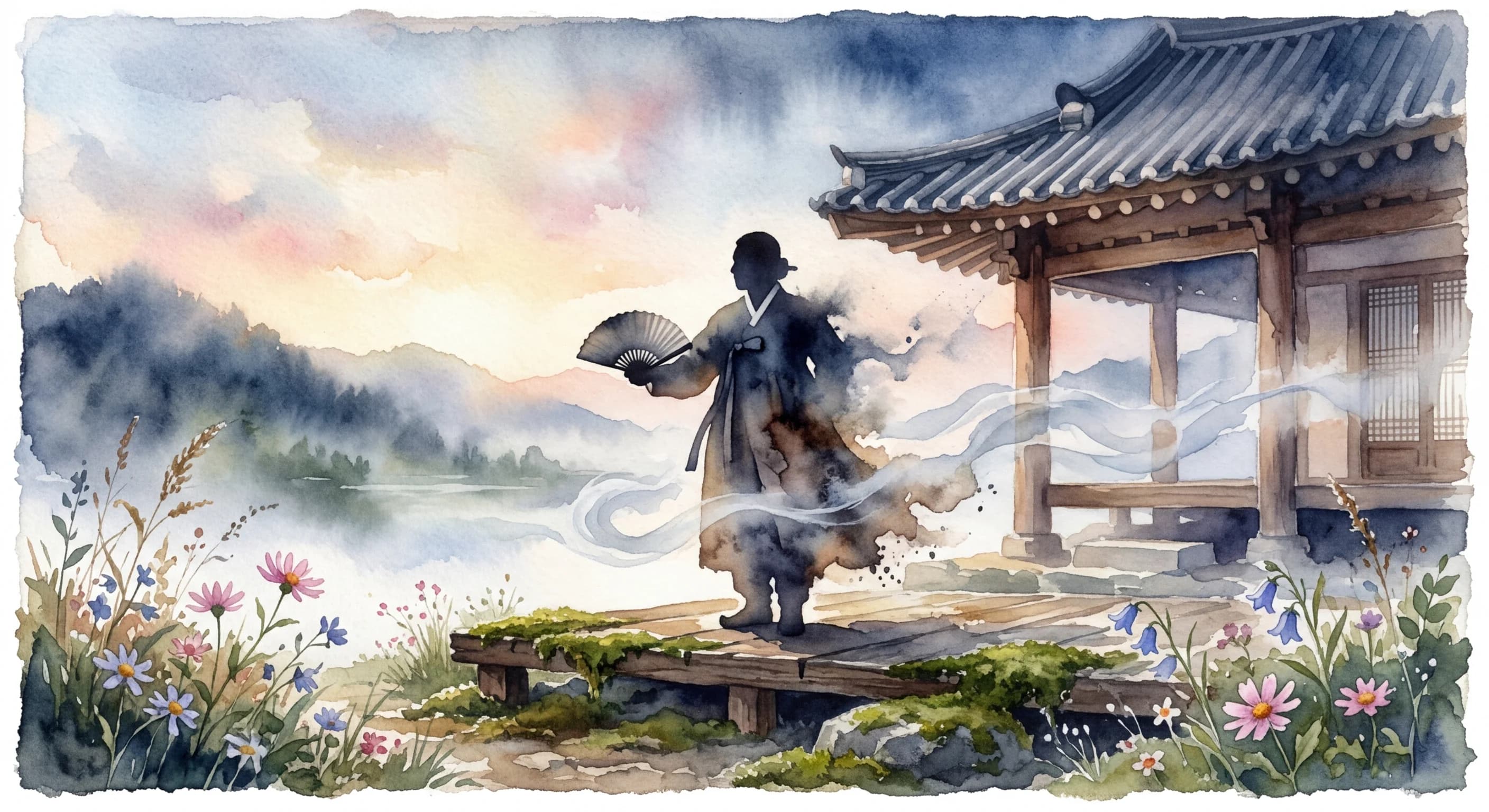
Pansori
/PAHN-soh-ree/
Meaning
Pansori is a profoundly moving traditional Korean musical storytelling art form, where a single charismatic singer (sorikkun) and a drummer (gosu) weave epic narratives, often spanning hours. Through a breathtaking display of vocal virtuosity, dramatic acting, and improvisational flair, the performer embodies multiple characters, channeling a spectrum of raw human emotions from profound sorrow to boisterous humor. This intimate communal experience forges a powerful connection between artist and audience, culminating in a cathartic release that resonates deeply within the Korean soul.
Literal Translation
Singing sound (Pan: singing, sori: sound)
The Story Behind the Word
Pansori emerged in the 17th century among the common people, evolving from shamanic rituals and folk songs, making it a voice for the marginalized. Its narratives often critique social injustices, celebrate resilience, and explore universal human dilemmas, reflecting a deep-seated Korean appreciation for narrative and emotional expression. The art form embodies the concept of 'han' – a complex, untranslatable feeling of deep sorrow, resentment, and unfulfilled longing – which is often purged through the shared emotional journey. Pansori's survival through periods of suppression speaks to its enduring power as a cultural touchstone, a vessel for collective memory and shared identity, where the 'sorikkun' acts as a conduit for the audience's own unspoken feelings and experiences.
Experience It
Festival Night's Embrace
Under the glow of lanterns at the Jeonju International Sori Festival, a crowd gathered, hushed. The sorikkun, with eyes closed, began the mournful opening of 'Chunhyangga,' his voice raw with longing. As the gosu's drum pulsed, the audience collectively sighed, their own joys and heartbreaks finding echo in the ancient tale.
A Grandfather's Wisdom
Grandfather, a lifelong fan of Pansori, sat intently as a young sorikkun performed 'Sugungga.' He occasionally nodded, a faint smile playing on his lips, recognizing the intricate vocal techniques and the subtle shifts in character. For him, it wasn't just entertainment; it was a living history lesson, a link to his ancestors.
The Deeper Meaning
Pansori embodies a worldview that values emotional authenticity and shared human experience over individual isolation. It suggests that profound truths and catharsis are found not in intellectual detachment, but in the communal expression and absorption of raw, often conflicting, emotions. The art form champions the resilience of the human spirit and the power of storytelling to both reflect and shape collective identity, suggesting that even in sorrow, there is beauty and connection.
Did You Know?
The demanding vocal training for a Pansori singer often involves practicing by a waterfall to strengthen the voice and develop a unique, raspy tone known as 'tongseong,' believed to convey deeper emotional resonance.
How It's Used
Pansori is used to refer to the art form itself, as well as specific performances or pieces within the genre. It is a significant part of Korean cultural heritage, often performed during festivals or as a standalone artistic event.