U.
HomeRegionsLanguagesEmotionsCollections
Find Your Word

“The limits of my language mean the limits of my world.”

— Ludwig Wittgenstein, Philosopher

Untranslatable

A curated collection of the world's most beautiful expressions—words that remind us language is humanity's greatest invention.

  • Home
  • Collections
  • Regions
  • Countries
  • Emotions
  • Tags
  • Contexts
  • Finder
  • Europe
  • Asia
  • Americas
  • Africa
  • Middle East
  • About
  • Contact
  • Privacy Policy
  • Terms of Service

2026 © Untranslatable. All rights reserved.

    /
    /
    1. Home
    2. /
    3. Asia
    4. /
    5. 撒娇 (sājiāo)
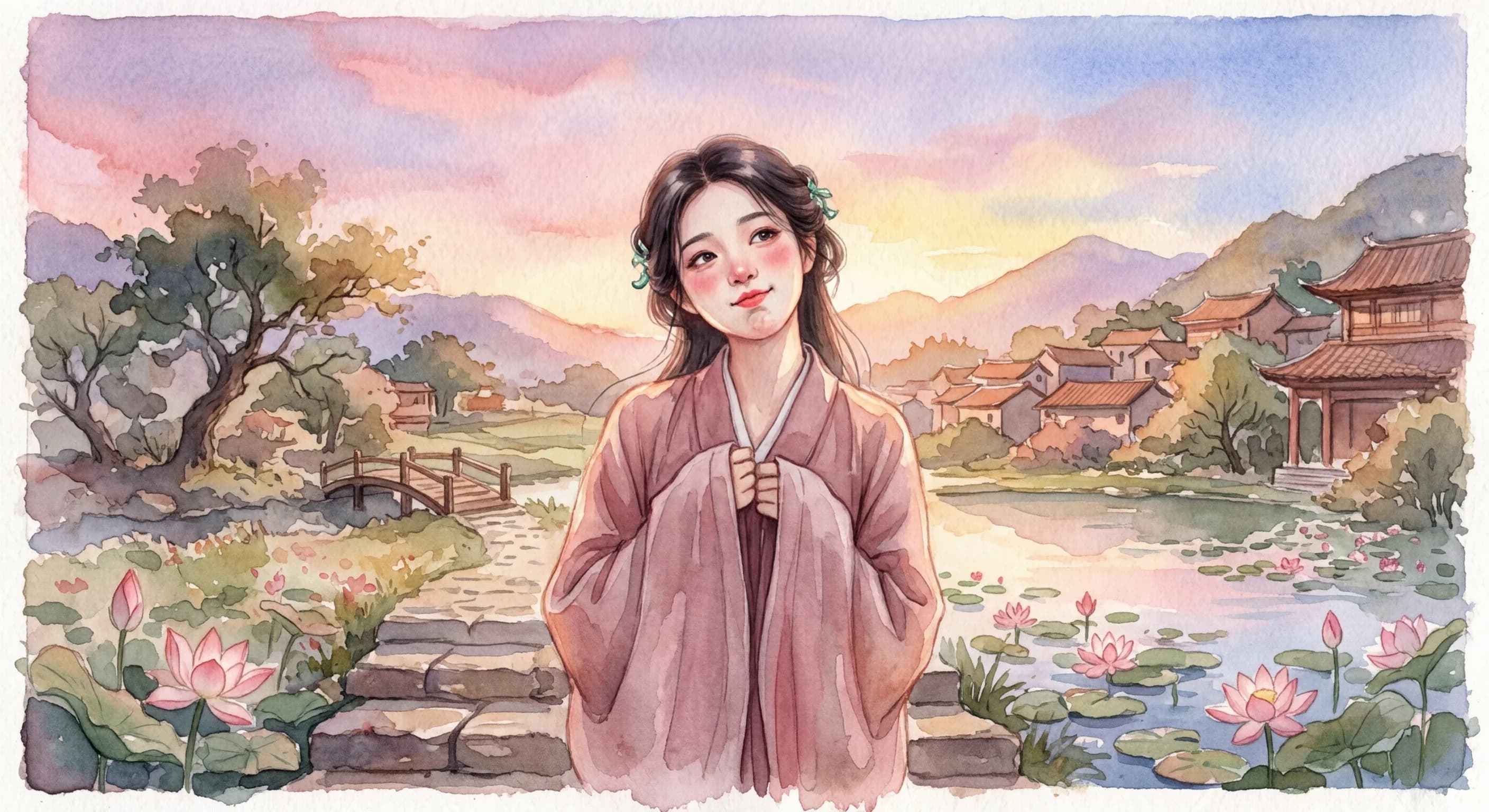
    Artistic representation of 撒娇 (sājiāo)
    Mandarin Chinese•
    🇨🇳China

    撒娇 (sājiāo)

    /sah-jow/

    Meaning

    Sājiāo is the artful display of charming vulnerability or playful petulance, often expressed through a softened voice, exaggerated gestures, or gentle pleading. It's a deliberate, yet often endearing, act of seeking affection, indulgence, or a desired outcome by consciously adopting a 'childlike' demeanor. This behavior is employed to melt resistance, foster intimacy, and leverage emotional bonds, particularly within close relationships, transforming a request into an irresistible appeal.

    Literal Translation

    sprinkle/scatter + seduce/coquetry

    The Story Behind the Word

    The concept of sājiāo is deeply rooted in Chinese cultural values that emphasize interdependence, emotional expression within familial and intimate bonds, and a certain acceptance of nuanced power dynamics. Historically, it reflects a society where indirect communication and emotional appeals, rather than direct confrontation, were often preferred ways to navigate relationships, especially for women. It acknowledges a social space where vulnerability can be a strength, a means to cultivate warmth and solicit care. Its prevalence reveals a cultural appreciation for emotional playfulness and the belief that expressing one's needs in a 'cute' or 'soft' manner can strengthen relationships and achieve harmony, rather than being seen as manipulative or immature. It highlights a cultural understanding that emotional expression, even strategic vulnerability, is a legitimate and often effective form of communication.

    Experience It

    Winning Over a Partner

    Li Wei is tired after a long day, but his girlfriend, Mei, really wants to watch a movie. She pouts playfully, shakes his arm gently, and says in a soft, drawn-out voice, 'Aiya, darling, just one movie? Please, please, please?' He smiles, unable to resist her sājiāo.

    Child's Playful Request

    Little Xiao Ming wants another cookie before dinner. He looks up at his mother with wide, innocent eyes, rubs his head against her arm, and whimpers, 'Mommy, just a tiny, tiny one? I promise I'll eat all my vegetables!' His mother chuckles and gives in.

    The Deeper Meaning

    Sājiāo reflects a cultural philosophy that values emotional interdependence and the strategic use of vulnerability within close relationships. It highlights an understanding that human connection isn't solely built on logic or direct requests, but also on emotional appeals, playfulness, and the willingness to momentarily shed adult stoicism. This worldview embraces the idea that expressing a 'softer' side can be a powerful tool for fostering intimacy and achieving desired outcomes in a harmonious, non-confrontational manner.

    Did You Know?

    While often associated with women, men can also sājiāo, particularly in romantic relationships, to show affection or playfully seek attention from their partners, challenging traditional gender roles.

    How It's Used

    Typically used to describe a specific behavior or action, often in intimate or familial contexts. It can be used as a verb ('to sājiāo') or a noun, referring to the act itself.

    Emotions
    comfort,love,warmth
    Contexts
    childhood,family,romance
    🇨🇳China

    by Annelise Dubois·Written Mar 10, 2026·Updated Apr 3, 2026

    Related Words

    Explore more
    GezelligDutch

    Gezellig encapsulates a profound sense of warmth, belonging, and convivial comfort, extending beyond mere coziness to embrace the social and emotional atmosphere. It's the feeling of being truly at ease, surrounded by good company, laughter, and a shared sense of contentment. This untranslatable term describes not just a physical space, but a holistic experience where time seems to slow down, fostering genuine connection and a deep sense of well-being.

    Wabi-sabiJapanese

    Wabi-sabi is the profound appreciation for the ephemeral, the imperfect, and the incomplete aspects of existence. It is about discovering beauty in the subtle textures of age, the unique character of flaws, and the gentle decay that marks the passage of time. This philosophy encourages a quiet acceptance of impermanence and a mindful connection to the natural world, finding elegance in simplicity and authenticity.

    IkigaiJapanese

    Ikigai is more than just a reason to get out of bed; it's a deeply personal and evolving sense of purpose that brings genuine fulfillment and joy to one's life. It represents the sweet spot where your passions, talents, needs of the world, and what you can be paid for beautifully converge. Discovering your ikigai often leads to a life lived with intentionality, resilience, and a profound connection to one's contributions. It's the intrinsic motivation that fuels a meaningful existence, regardless of external circumstances.

    NunchiKorean

    Nunchi is the sophisticated, almost telepathic, ability to instantly grasp the unspoken dynamics of any social situation, anticipating others' thoughts and feelings, and then responding with impeccable grace and timing. It's an acute form of social intuition, allowing one to navigate complex interpersonal landscapes by reading subtle cues like body language, tone, and context. Possessing good nunchi means effortlessly understanding the underlying emotional currents and adjusting one's behavior to maintain harmony and effectiveness, often without a single word exchanged.