U.
HomeRegionsLanguagesEmotionsCollections
Find Your Word

“The limits of my language mean the limits of my world.”

— Ludwig Wittgenstein, Philosopher

Untranslatable

A curated collection of the world's most beautiful expressions—words that remind us language is humanity's greatest invention.

  • Home
  • Collections
  • Regions
  • Countries
  • Emotions
  • Tags
  • Contexts
  • Finder
  • Europe
  • Asia
  • Americas
  • Africa
  • Middle East
  • About
  • Contact
  • Privacy Policy
  • Terms of Service

2026 © Untranslatable. All rights reserved.

    /
    /
    1. Home
    2. /
    3. Asia
    4. /
    5. 热闹 (rènào)
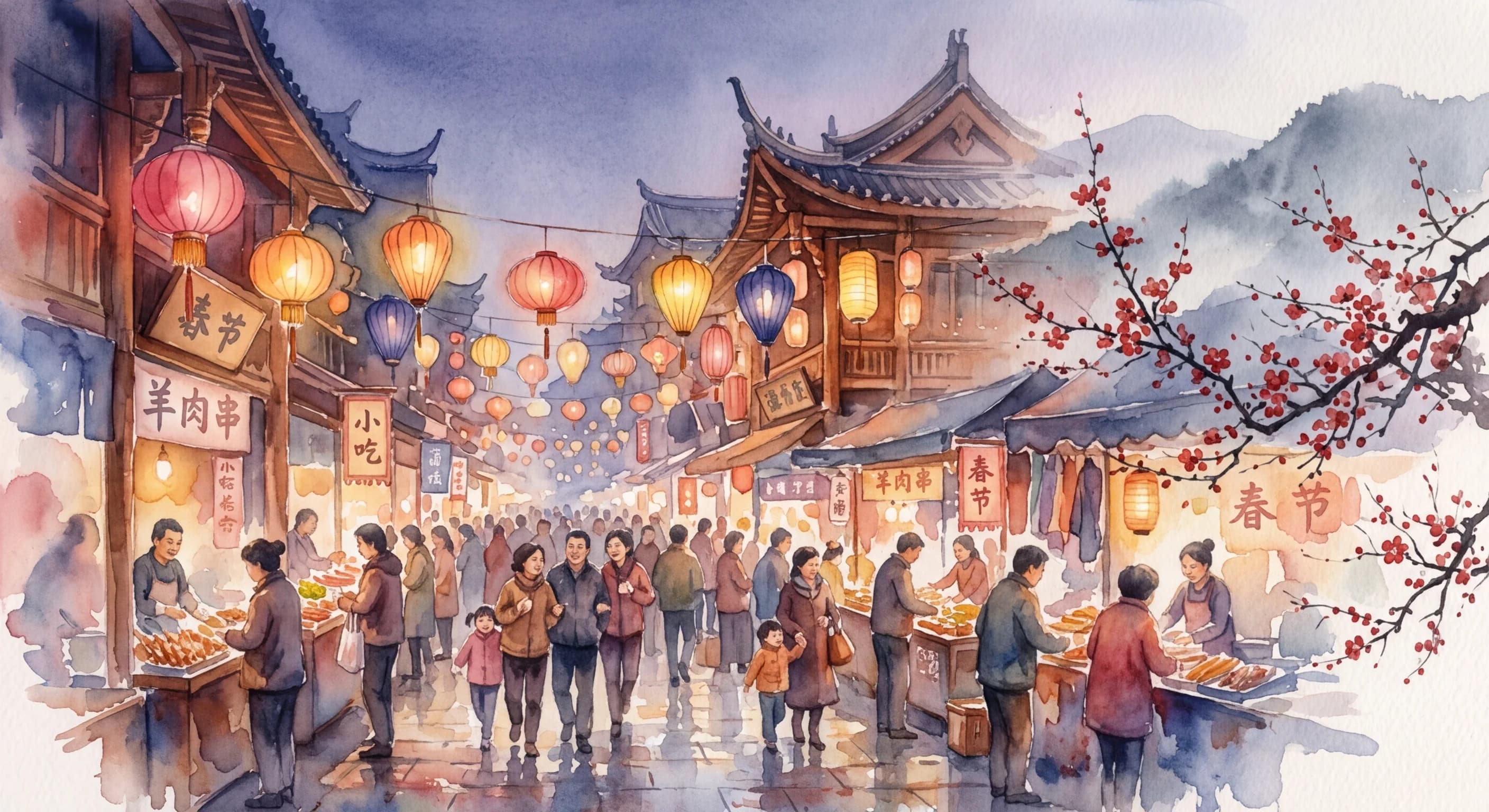
    Artistic representation of 热闹 (rènào)
    Mandarin Chinese•
    🇨🇳China

    热闹 (rènào)

    /ren-nao/

    Meaning

    Rènào encapsulates the vibrant, effervescent energy of a place or event brimming with life, noise, and exhilarating activity. It's the palpable sense of joyful commotion, where a multitude of people converge, their interactions and shared enthusiasm creating a dynamic, immersive atmosphere. This word signifies more than mere busyness; it’s the delightful chaos of collective celebration, a sensory feast that draws you into its spirited embrace, making you feel alive amidst the joyful throng.

    Literal Translation

    hot-noisy

    The Story Behind the Word

    The concept of rènào is deeply rooted in Chinese culture's emphasis on community, collective experience, and the joy derived from social interaction. Historically, Chinese society, particularly in agricultural communities, thrived on communal gatherings and celebrations, where the collective 'hot-noisy' atmosphere was a sign of prosperity, good fortune, and social cohesion. Unlike some Western ideals that might value quiet contemplation or individual space, Chinese culture often associates a lively, bustling environment with positive energy, happiness, and well-being. A lack of rènào can even be seen as a sign of decline or misfortune. It reflects a worldview where human connection and shared vibrancy are essential components of a fulfilling life, signifying a rejection of loneliness or desolation.

    Experience It

    A Temple Fair Celebration

    During Chinese New Year, the local temple fair was incredibly rènào. Red lanterns swayed, drums boomed, and the air was thick with the scent of street food. Children chased each other amidst laughing adults, all contributing to the joyous, bustling energy.

    Night Market Buzz

    The night market was a classic example of rènào. Vendors called out their wares, sizzling woks hissed, and a constant stream of people weaved through the stalls, chatting, eating, and soaking in the lively, exciting atmosphere that pulsed through the narrow lanes.

    The Deeper Meaning

    Rènào embodies a profound cultural philosophy that equates collective vitality and communal engagement with happiness and prosperity. It suggests that true joy is often found not in solitude, but in the shared experience of lively interaction and vibrant social connection. This word highlights a worldview where human presence, noise, and activity are seen as life-affirming forces, essential for a flourishing community and individual well-being.

    Did You Know?

    In some Chinese dialects, saying a place is 'not rènào' can imply it's dull or even unlucky, highlighting the cultural preference for lively environments.

    How It's Used

    Used to describe places or events that are busy, crowded, and full of life and excitement, such as festivals, parties, markets, or busy streets.

    Emotions
    belonging,joy,warmth
    Contexts
    celebration,dining,friendship
    🇨🇳China

    by Anya Petrova·Written Mar 10, 2026·Updated Apr 3, 2026

    Related Words

    Explore more
    GezelligDutch

    Gezellig encapsulates a profound sense of warmth, belonging, and convivial comfort, extending beyond mere coziness to embrace the social and emotional atmosphere. It's the feeling of being truly at ease, surrounded by good company, laughter, and a shared sense of contentment. This untranslatable term describes not just a physical space, but a holistic experience where time seems to slow down, fostering genuine connection and a deep sense of well-being.

    SobremesaSpanish

    Sobremesa is the cherished, often extended period immediately following a meal, particularly lunch or dinner, where diners remain seated at the table to enjoy conversation, coffee, and digest not just the food, but the company itself. It’s a dedicated time for unhurried social bonding, storytelling, and shared laughter, transforming a simple meal into a profound communal experience. Far from just clearing the dishes, sobremesa is an integral part of Spanish social life, often lasting for hours.

    Wabi-sabiJapanese

    Wabi-sabi is the profound appreciation for the ephemeral, the imperfect, and the incomplete aspects of existence. It is about discovering beauty in the subtle textures of age, the unique character of flaws, and the gentle decay that marks the passage of time. This philosophy encourages a quiet acceptance of impermanence and a mindful connection to the natural world, finding elegance in simplicity and authenticity.

    IkigaiJapanese

    Ikigai is more than just a reason to get out of bed; it's a deeply personal and evolving sense of purpose that brings genuine fulfillment and joy to one's life. It represents the sweet spot where your passions, talents, needs of the world, and what you can be paid for beautifully converge. Discovering your ikigai often leads to a life lived with intentionality, resilience, and a profound connection to one's contributions. It's the intrinsic motivation that fuels a meaningful existence, regardless of external circumstances.