U.
HomeRegionsLanguagesEmotionsCollections
Find Your Word

“The limits of my language mean the limits of my world.”

— Ludwig Wittgenstein, Philosopher

Untranslatable

A curated collection of the world's most beautiful expressions—words that remind us language is humanity's greatest invention.

  • Home
  • Collections
  • Regions
  • Countries
  • Emotions
  • Tags
  • Contexts
  • Finder
  • Europe
  • Asia
  • Americas
  • Africa
  • Middle East
  • About
  • Contact
  • Privacy Policy
  • Terms of Service

2026 © Untranslatable. All rights reserved.

    /
    /
    1. Home
    2. /
    3. Asia
    4. /
    5. 不争气 (bùzhēngqì)
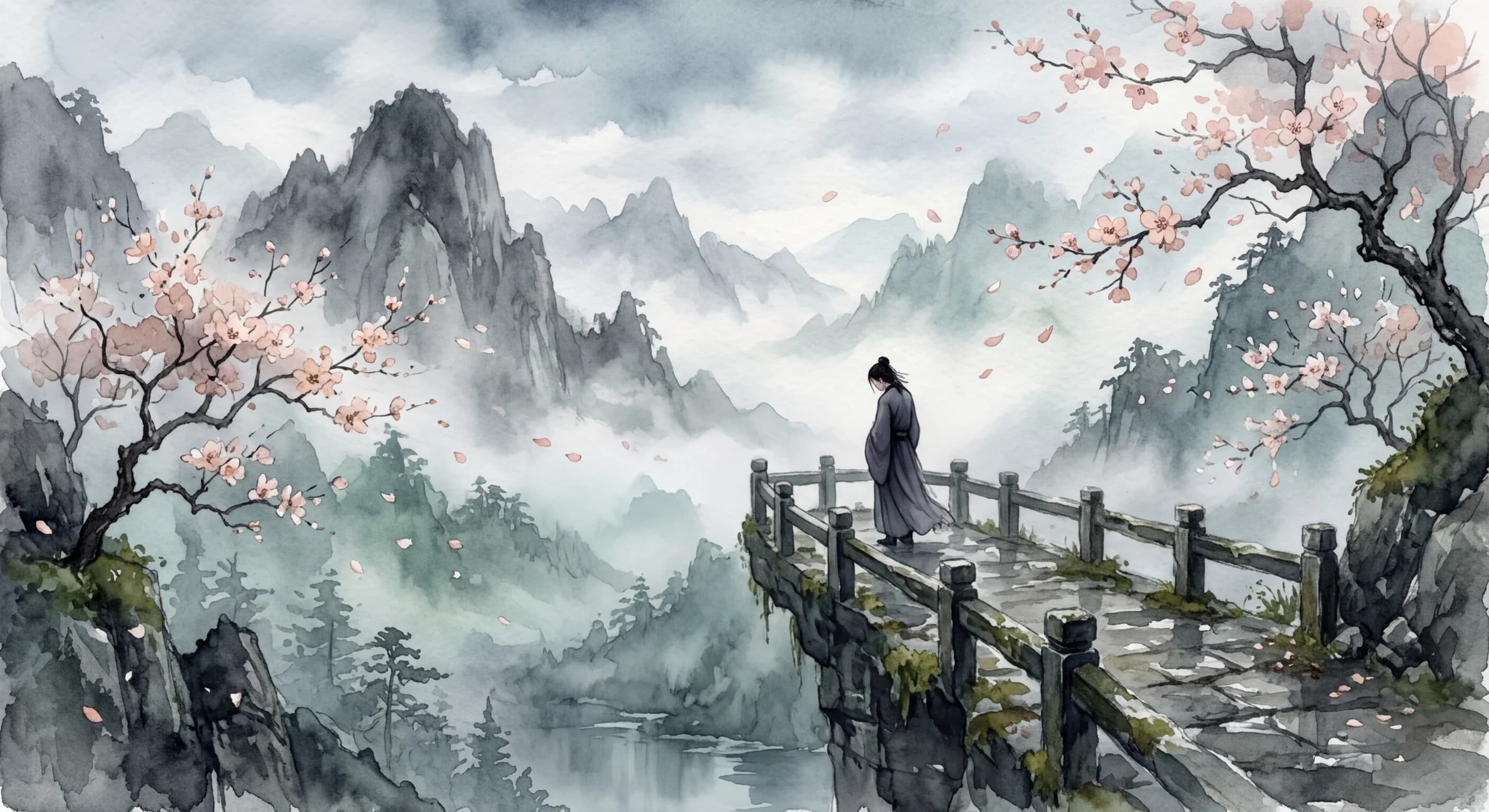
    Artistic representation of 不争气 (bùzhēngqì)
    Mandarin Chinese•
    🇨🇳China

    不争气 (bùzhēngqì)

    /boo-jung-chee/

    Meaning

    不争气 (bùzhēngqì) captures a profound, often self-directed, disappointment stemming from a perceived failure to fulfill one's potential or meet expectations, particularly those tied to family honor and societal roles. It's more than simple failure; it's a poignant sense of letting down one's lineage, community, or even one's own aspirational self due to a perceived lack of drive, achievement, or inherent capability. This feeling carries a heavy weight of shame and regret, signifying a failure to "contend for one's breath" or assert one's rightful place and contribution.

    Literal Translation

    not contend/fight/strive breath/spirit

    The Story Behind the Word

    The concept of "bùzhēngqì" is deeply rooted in China's Confucian heritage, which emphasizes filial piety (孝, xiào), collective honor, and the importance of one's actions reflecting on the entire family unit, including ancestors. For centuries, individual success was not merely personal but a vital contribution to the family's standing and a way to honor those who came before. Failing to live up to potential or societal expectations, therefore, isn't just a personal setback; it's a profound failure to uphold one's duty to the family and lineage. The phrase reveals a cultural worldview where individual identity is inextricably linked to collective responsibility and where the pursuit of excellence and contribution is a moral imperative, making the feeling of 'bùzhēngqì' particularly acute and laden with moral weight.

    Experience It

    Academic Disappointment

    After receiving his college rejection letters, Li Wei felt an overwhelming sense of bùzhēngqì. He knew his parents had sacrificed so much for his education, and he felt he had squandered his chance, not just for himself, but for their hopes.

    Parental Lament

    Watching her adult son drift between odd jobs with no ambition, Mrs. Chen sighed, muttering, 'This child is truly bùzhēngqì.' Her words carried not anger, but a deep sorrow for his unfulfilled potential and the worry for his future.

    The Deeper Meaning

    This word reveals a philosophical emphasis on effort, self-improvement, and the moral obligation to strive for one's best for the collective good. It suggests that individual potential is not just a personal asset but a resource to be cultivated and utilized for the benefit of family and society. The feeling of 'bùzhēngqì' serves as a moral compass, urging individuals to overcome complacency and embrace their duties through diligent effort and ambition.

    Did You Know?

    The '气' (qì) in bùzhēngqì literally means 'breath' or 'spirit,' implying a failure to even 'fight for your own breath' or assert your vital energy and potential in the world.

    How It's Used

    Used to express personal disappointment in one's own lack of progress, achievement, or ability, especially when it reflects poorly on family or expectations. It can also be used when observing someone else's perceived failures or lack of drive.

    Emotion
    melancholy
    Contexts
    family,personal growth,work
    🇨🇳China

    by Anya Petrova·Written Mar 10, 2026·Updated Apr 3, 2026

    Related Words

    Explore more
    SaudadePortuguese

    Saudade encapsulates a profound, melancholic longing for something or someone cherished that is absent, often with the bittersweet knowledge that it may never return. It's a deep emotional state tinged with nostalgia, evoking a sense of loss for past experiences, places, or people, yet also holding a tender appreciation for the beauty of what once was. This yearning is not merely sadness, but a complex tapestry of desire, memory, and a poignant acceptance of absence, holding the beloved in a warm, persistent embrace within the heart.

    Wabi-sabiJapanese

    Wabi-sabi is the profound appreciation for the ephemeral, the imperfect, and the incomplete aspects of existence. It is about discovering beauty in the subtle textures of age, the unique character of flaws, and the gentle decay that marks the passage of time. This philosophy encourages a quiet acceptance of impermanence and a mindful connection to the natural world, finding elegance in simplicity and authenticity.

    IkigaiJapanese

    Ikigai is more than just a reason to get out of bed; it's a deeply personal and evolving sense of purpose that brings genuine fulfillment and joy to one's life. It represents the sweet spot where your passions, talents, needs of the world, and what you can be paid for beautifully converge. Discovering your ikigai often leads to a life lived with intentionality, resilience, and a profound connection to one's contributions. It's the intrinsic motivation that fuels a meaningful existence, regardless of external circumstances.

    NunchiKorean

    Nunchi is the sophisticated, almost telepathic, ability to instantly grasp the unspoken dynamics of any social situation, anticipating others' thoughts and feelings, and then responding with impeccable grace and timing. It's an acute form of social intuition, allowing one to navigate complex interpersonal landscapes by reading subtle cues like body language, tone, and context. Possessing good nunchi means effortlessly understanding the underlying emotional currents and adjusting one's behavior to maintain harmony and effectiveness, often without a single word exchanged.