U.
HomeRegionsLanguagesEmotionsCollections
Find Your Word

“The limits of my language mean the limits of my world.”

— Ludwig Wittgenstein, Philosopher

Untranslatable

A curated collection of the world's most beautiful expressions—words that remind us language is humanity's greatest invention.

  • Home
  • Collections
  • Regions
  • Countries
  • Emotions
  • Tags
  • Contexts
  • Finder
  • Europe
  • Asia
  • Americas
  • Africa
  • Middle East
  • About
  • Contact
  • Privacy Policy
  • Terms of Service

2026 © Untranslatable. All rights reserved.

    /
    /
    1. Home
    2. /
    3. Asia
    4. /
    5. 吐槽 (tǔcáo)
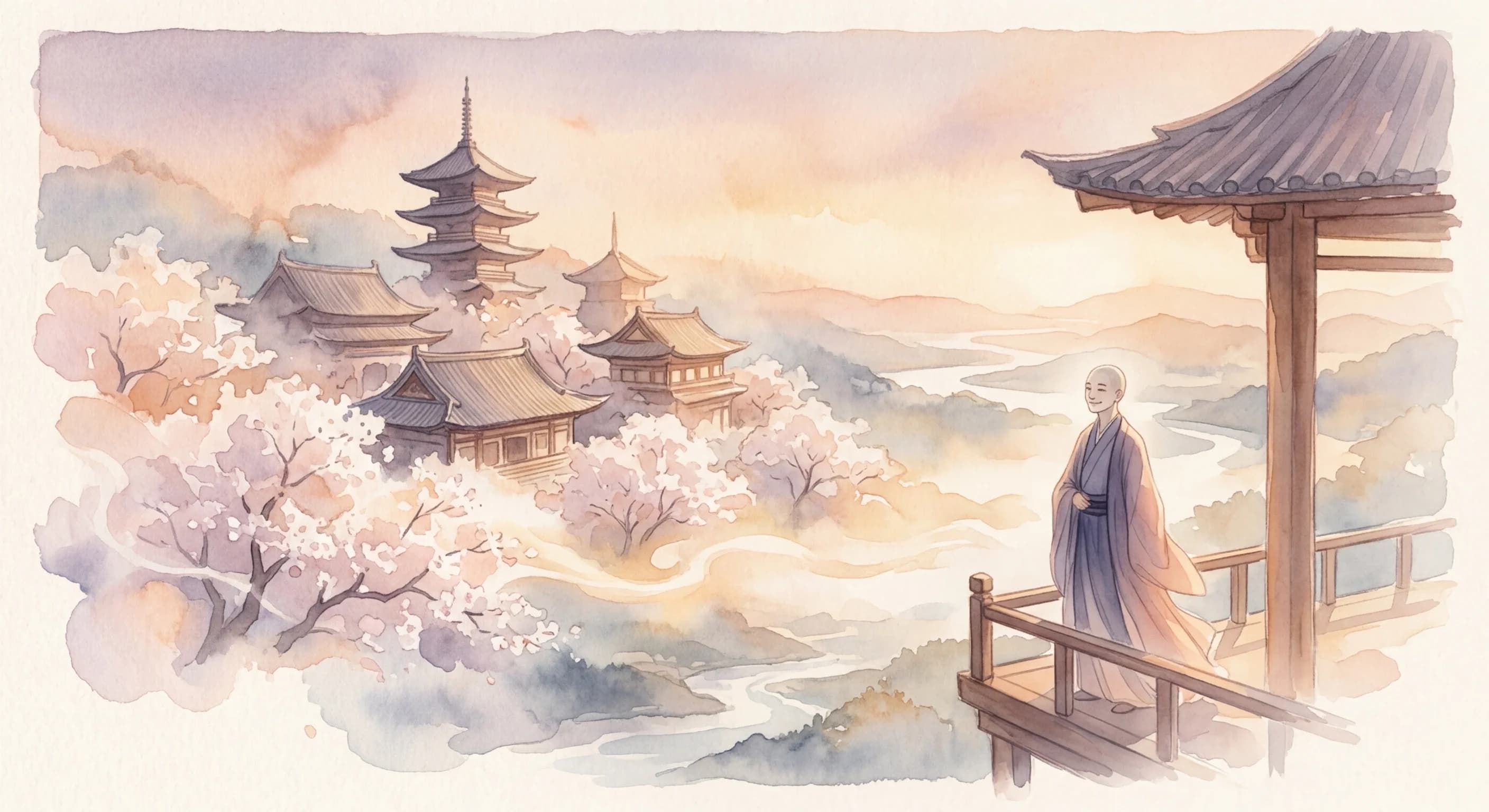
    Artistic representation of 吐槽 (tǔcáo)
    Mandarin Chinese•
    🇨🇳China

    吐槽 (tǔcáo)

    /too-tsao/

    Meaning

    Tǔcáo encapsulates a uniquely Chinese form of witty, often self-deprecating, critique. It's the art of playfully exposing flaws, absurdities, or hypocrisies in a way that resonates with others, transforming potential complaints into shared amusement. Far from mere grumbling, tǔcáo is a social lubricant, forging bonds through collective recognition of life's quirks and frustrations, allowing for honest commentary without causing offense but fostering communal laughter and understanding.

    Literal Translation

    spit grass

    The Story Behind the Word

    The existence and popularity of tǔcáo in Chinese culture can be traced to several factors. Historically, direct criticism, especially of authority or in formal settings, was often discouraged due to Confucian values emphasizing harmony and deference. Tǔcáo provides an indirect, humorous outlet for social commentary, allowing individuals to voice discontent or observations without overtly challenging norms. It reflects a cultural appreciation for wit, wordplay, and subtlety. Furthermore, the rise of online communities amplified tǔcáo, creating vast platforms for shared observations on pop culture, daily life, and even politics. It reveals a society that values collective understanding and a shared sense of humor as a means to navigate and comment on the world, often turning collective frustrations into a form of bonding and resilience.

    Experience It

    Online Drama Critique

    Friends are watching a ridiculously melodramatic TV show. One turns to the other and says, 'This plot twist is so over-the-top, even the director must be tǔcáo-ing their own script right now!' Both burst into laughter, sharing in the absurdity.

    Family Meal Shenanigans

    During a family dinner, Uncle Li tells a slightly exaggerated story for the tenth time. His niece playfully rolls her eyes and murmurs, 'Uncle, your storytelling skills are so advanced, they've gone full circle back to kindergarten!' Everyone chuckles, recognizing the familiar family dynamic.

    The Deeper Meaning

    Tǔcáo reflects a pragmatic and often resilient worldview, where humor is a tool for coping with life's imperfections and absurdities. It suggests that finding shared amusement in flaws and frustrations is not only a form of social bonding but also a subtle way to acknowledge and perhaps even subtly challenge the status quo, fostering a sense of collective understanding and emotional release in a culturally acceptable manner.

    Did You Know?

    The literal translation 'spit grass' comes from a Japanese comedic term 'tsukkomi' (吐槽 also used in Chinese to represent this concept), where one comedian 'spits' out a witty retort or correction to another's absurd statement, much like spitting out a blade of grass caught in one's mouth.

    How It's Used

    Used in informal settings among friends, family, or online communities to comment on everyday occurrences, popular culture, or even personal experiences in a funny, critical way.

    Emotions
    comfort,joy,warmth
    Contexts
    celebration,dining,family,friendship
    🇨🇳China

    by Annelise Dubois·Written Mar 10, 2026·Updated Apr 3, 2026

    Related Words

    Explore more
    GezelligDutch

    Gezellig encapsulates a profound sense of warmth, belonging, and convivial comfort, extending beyond mere coziness to embrace the social and emotional atmosphere. It's the feeling of being truly at ease, surrounded by good company, laughter, and a shared sense of contentment. This untranslatable term describes not just a physical space, but a holistic experience where time seems to slow down, fostering genuine connection and a deep sense of well-being.

    Wabi-sabiJapanese

    Wabi-sabi is the profound appreciation for the ephemeral, the imperfect, and the incomplete aspects of existence. It is about discovering beauty in the subtle textures of age, the unique character of flaws, and the gentle decay that marks the passage of time. This philosophy encourages a quiet acceptance of impermanence and a mindful connection to the natural world, finding elegance in simplicity and authenticity.

    IkigaiJapanese

    Ikigai is more than just a reason to get out of bed; it's a deeply personal and evolving sense of purpose that brings genuine fulfillment and joy to one's life. It represents the sweet spot where your passions, talents, needs of the world, and what you can be paid for beautifully converge. Discovering your ikigai often leads to a life lived with intentionality, resilience, and a profound connection to one's contributions. It's the intrinsic motivation that fuels a meaningful existence, regardless of external circumstances.

    NunchiKorean

    Nunchi is the sophisticated, almost telepathic, ability to instantly grasp the unspoken dynamics of any social situation, anticipating others' thoughts and feelings, and then responding with impeccable grace and timing. It's an acute form of social intuition, allowing one to navigate complex interpersonal landscapes by reading subtle cues like body language, tone, and context. Possessing good nunchi means effortlessly understanding the underlying emotional currents and adjusting one's behavior to maintain harmony and effectiveness, often without a single word exchanged.