U.
HomeRegionsLanguagesEmotionsCollections
Find Your Word

“The limits of my language mean the limits of my world.”

— Ludwig Wittgenstein, Philosopher

Untranslatable

A curated collection of the world's most beautiful expressions—words that remind us language is humanity's greatest invention.

  • Home
  • Collections
  • Regions
  • Countries
  • Emotions
  • Tags
  • Contexts
  • Finder
  • Europe
  • Asia
  • Americas
  • Africa
  • Middle East
  • About
  • Contact
  • Privacy Policy
  • Terms of Service

2026 © Untranslatable. All rights reserved.

    /
    /
    1. Home
    2. /
    3. Asia
    4. /
    5. Jhootha
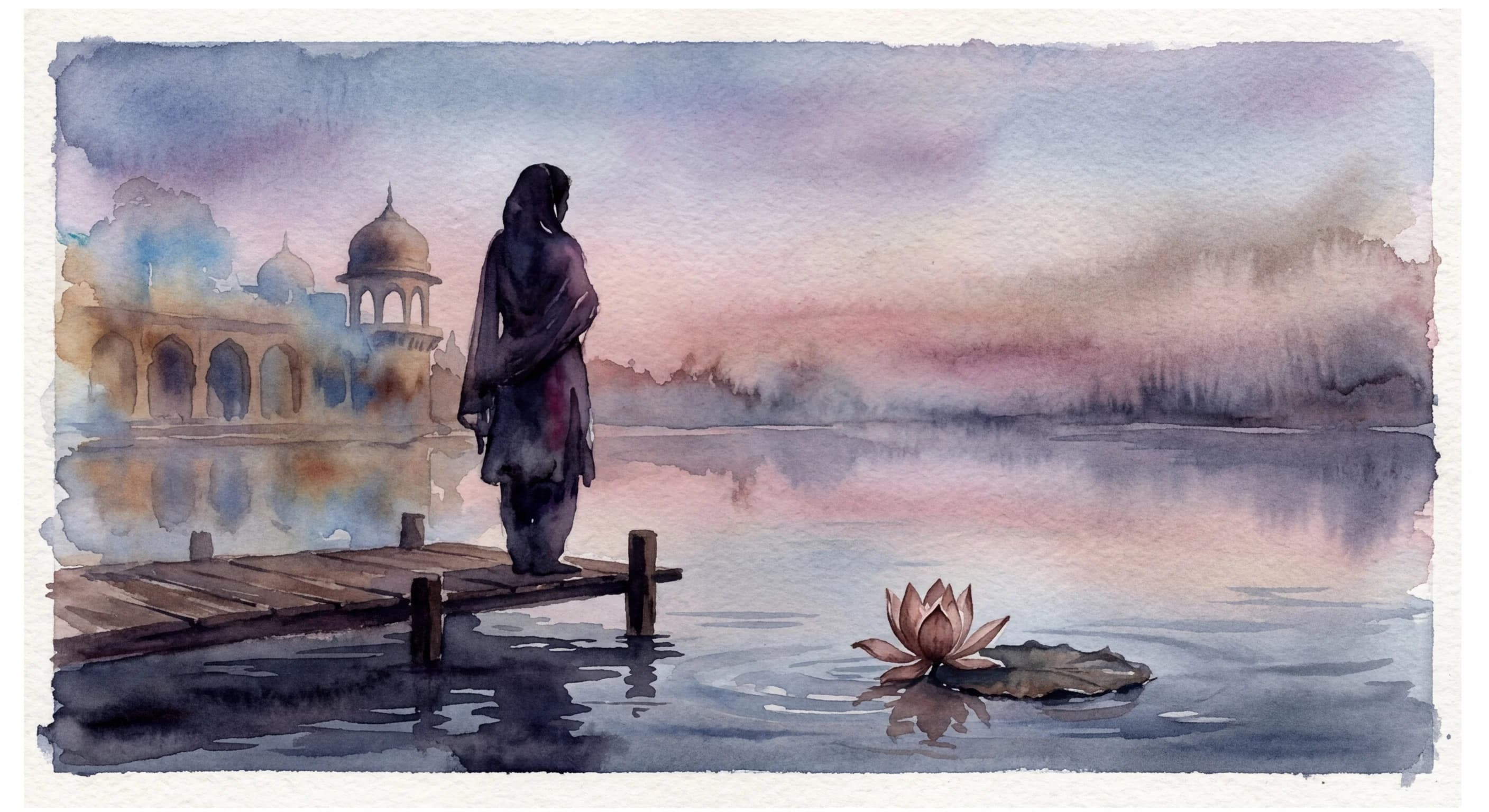
    Artistic representation of Jhootha
    Hindi•
    🇮🇳India🇵🇰Pakistan

    Jhootha

    /JOO-thah/

    Meaning

    Jhootha transcends a simple 'lie'; it denotes a profound moral transgression, a deliberate act of deception designed to manipulate or cause harm. Uttering 'jhootha' is not merely correcting a factual inaccuracy but a scathing indictment of a person's character, questioning their very trustworthiness and integrity. It implies a fundamental flaw in their moral fabric, suggesting they are unreliable and unworthy of belief in any aspect of life.

    Literal Translation

    false, untrue, fake

    The Story Behind the Word

    In Indian culture, the concept of truthfulness (satya) holds paramount importance, deeply rooted in ancient philosophical and religious texts like the Vedas and Upanishads, and epitomized in figures like Mahatma Gandhi's philosophy of satyagraha. Jhootha, therefore, is not just a deviation from fact but a transgression against a core societal virtue. It reflects a cultural emphasis on community trust and honor, where a person's word is often their bond. To be labeled 'jhootha' can carry significant social stigma, impacting one's reputation, relationships, and even standing within the community, highlighting a collective value placed on honesty and authenticity over individual gain through deceit. This emphasis on truth as a foundational principle means that a lie is perceived as an act that unravels the social fabric itself.

    Experience It

    Unfulfilled Promise

    Ravi promised his friend he'd help move furniture, but then claimed he was sick to avoid it, later seen at a party. His friend, feeling betrayed, exclaimed, 'That was completely jhootha of you! I can't believe you lied to me like that.'

    False Accusation

    During a heated family discussion, one cousin falsely accused another of stealing money to shift blame. The accused, hurt and angered by the blatant falsehood, retorted, 'How can you be so jhootha? You know that's not true!'

    The Deeper Meaning

    Jhootha reveals a worldview where truth is not just a factual state but a moral imperative, intrinsically linked to a person's dharma (righteous conduct) and karma (actions and their consequences). A lie isn't merely a mistake; it's a deliberate choice that degrades one's spiritual and social standing, indicating a profound misalignment with the universal order of truth and ethical living. It underscores a belief that integrity is foundational to human existence and societal harmony.

    Did You Know?

    The word 'jhootha' is also used to describe leftover food that has been touched by someone's mouth (e.g., 'jhootha khana'), implying it's 'impure' or 'spoiled' for others, connecting dirtiness with falsehood.

    How It's Used

    This term is used to describe a lie, a false statement, or something that is untrue. It can also refer to a person who habitually lies or is deceitful.

    Emotions
    anger,melancholy
    Contexts
    daily life,social interaction
    🇮🇳India🇵🇰Pakistan

    by Annelise Dubois·Written Mar 10, 2026·Updated Mar 27, 2026

    Related Words

    Explore more
    SaudadePortuguese

    Saudade encapsulates a profound, melancholic longing for something or someone cherished that is absent, often with the bittersweet knowledge that it may never return. It's a deep emotional state tinged with nostalgia, evoking a sense of loss for past experiences, places, or people, yet also holding a tender appreciation for the beauty of what once was. This yearning is not merely sadness, but a complex tapestry of desire, memory, and a poignant acceptance of absence, holding the beloved in a warm, persistent embrace within the heart.

    Wabi-sabiJapanese

    Wabi-sabi is the profound appreciation for the ephemeral, the imperfect, and the incomplete aspects of existence. It is about discovering beauty in the subtle textures of age, the unique character of flaws, and the gentle decay that marks the passage of time. This philosophy encourages a quiet acceptance of impermanence and a mindful connection to the natural world, finding elegance in simplicity and authenticity.

    IkigaiJapanese

    Ikigai is more than just a reason to get out of bed; it's a deeply personal and evolving sense of purpose that brings genuine fulfillment and joy to one's life. It represents the sweet spot where your passions, talents, needs of the world, and what you can be paid for beautifully converge. Discovering your ikigai often leads to a life lived with intentionality, resilience, and a profound connection to one's contributions. It's the intrinsic motivation that fuels a meaningful existence, regardless of external circumstances.

    NunchiKorean

    Nunchi is the sophisticated, almost telepathic, ability to instantly grasp the unspoken dynamics of any social situation, anticipating others' thoughts and feelings, and then responding with impeccable grace and timing. It's an acute form of social intuition, allowing one to navigate complex interpersonal landscapes by reading subtle cues like body language, tone, and context. Possessing good nunchi means effortlessly understanding the underlying emotional currents and adjusting one's behavior to maintain harmony and effectiveness, often without a single word exchanged.