U.
HomeRegionsLanguagesEmotionsCollections
Find Your Word

“The limits of my language mean the limits of my world.”

— Ludwig Wittgenstein, Philosopher

Untranslatable

A curated collection of the world's most beautiful expressions—words that remind us language is humanity's greatest invention.

  • Home
  • Collections
  • Regions
  • Countries
  • Emotions
  • Tags
  • Contexts
  • Finder
  • Europe
  • Asia
  • Americas
  • Africa
  • Middle East
  • About
  • Contact
  • Privacy Policy
  • Terms of Service

2026 © Untranslatable. All rights reserved.

    /
    /
    1. Home
    2. /
    3. Asia
    4. /
    5. Dukha
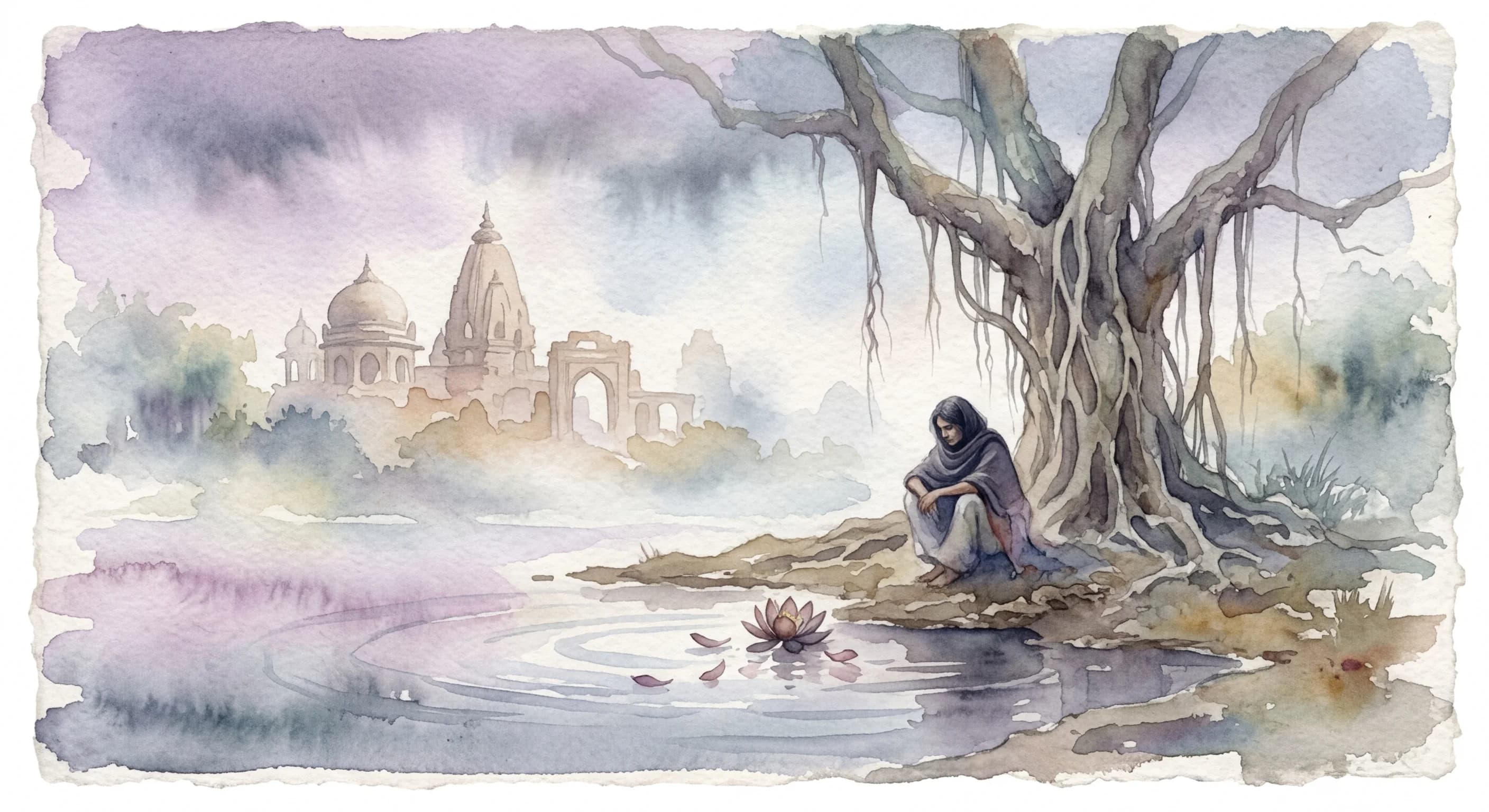
    Artistic representation of Dukha
    Sanskrit•
    🇮🇳India

    Dukha

    /DOO-khah/

    Meaning

    Dukha, from Sanskrit, encapsulates a profound and pervasive sense of suffering that is fundamental to existence itself, far beyond mere physical pain or transient unhappiness. It speaks to an inherent unsatisfactoriness, a deep-seated disquiet stemming from impermanence, attachment to transient things, and the cyclical nature of life, death, and rebirth. This concept, central to Indian philosophical traditions like Buddhism, posits that this existential angst is the baseline human experience, a constant undercurrent that compels one to seek liberation from its relentless grasp.

    Literal Translation

    suffering, pain, distress, anguish

    The Story Behind the Word

    The concept of Dukha is foundational to the spiritual and philosophical landscape of India, particularly within Buddhism and Hinduism. Its prominence reveals a worldview deeply attuned to the impermanence of all phenomena and the cyclical nature of existence (samsara). For Siddhartha Gautama, the Buddha, understanding Dukha was the first noble truth, leading to the entire path of liberation. It's not a pessimistic outlook, but rather a diagnostic one, recognizing the universal condition to then prescribe a path towards lasting peace (nirvana or moksha). This word underscores a culture that prioritizes spiritual insight and freedom from worldly attachments over material pursuits, seeing the latter as ultimately contributing to this pervasive suffering.

    Experience It

    The Weight of Attachment

    A wealthy merchant, despite his vast riches and comforts, felt a gnawing emptiness. He constantly worried about losing his fortune, his family, his health. This perpetual anxiety, born from attachment to what is impermanent, was his Dukha.

    Existential Disquiet

    A young student, after achieving academic success, found herself questioning the ultimate purpose of her achievements. A subtle, pervasive sense of dissatisfaction lingered, a feeling that even success didn't bring true, lasting contentment. This was the subtle Dukha of the human condition.

    The Deeper Meaning

    Dukha reveals a philosophical perspective that challenges the notion of inherent satisfaction in worldly life. It posits that clinging to impermanent phenomena inevitably leads to suffering, and true peace can only be found by understanding and transcending these attachments. This insight forms the bedrock of practices aimed at cultivating wisdom, compassion, and liberation from the cycle of rebirth.

    Did You Know?

    Dukha is often translated as 'suffering,' but its etymological root 'duḥ-kha' literally means 'bad axle-hole,' describing a wheel that grinds and rattles imperfectly, symbolizing life's inherent friction.

    How It's Used

    Used in philosophical and religious contexts, particularly within Buddhism and Hinduism, to describe the inherent suffering or dissatisfaction in life.

    Emotions
    anxiety,melancholy,sadness
    Contexts
    philosophy,religion
    🇮🇳India

    by Anya Petrova·Written Mar 10, 2026·Updated Apr 3, 2026

    Related Words

    Explore more
    SaudadePortuguese

    Saudade encapsulates a profound, melancholic longing for something or someone cherished that is absent, often with the bittersweet knowledge that it may never return. It's a deep emotional state tinged with nostalgia, evoking a sense of loss for past experiences, places, or people, yet also holding a tender appreciation for the beauty of what once was. This yearning is not merely sadness, but a complex tapestry of desire, memory, and a poignant acceptance of absence, holding the beloved in a warm, persistent embrace within the heart.

    Wabi-sabiJapanese

    Wabi-sabi is the profound appreciation for the ephemeral, the imperfect, and the incomplete aspects of existence. It is about discovering beauty in the subtle textures of age, the unique character of flaws, and the gentle decay that marks the passage of time. This philosophy encourages a quiet acceptance of impermanence and a mindful connection to the natural world, finding elegance in simplicity and authenticity.

    IkigaiJapanese

    Ikigai is more than just a reason to get out of bed; it's a deeply personal and evolving sense of purpose that brings genuine fulfillment and joy to one's life. It represents the sweet spot where your passions, talents, needs of the world, and what you can be paid for beautifully converge. Discovering your ikigai often leads to a life lived with intentionality, resilience, and a profound connection to one's contributions. It's the intrinsic motivation that fuels a meaningful existence, regardless of external circumstances.

    NunchiKorean

    Nunchi is the sophisticated, almost telepathic, ability to instantly grasp the unspoken dynamics of any social situation, anticipating others' thoughts and feelings, and then responding with impeccable grace and timing. It's an acute form of social intuition, allowing one to navigate complex interpersonal landscapes by reading subtle cues like body language, tone, and context. Possessing good nunchi means effortlessly understanding the underlying emotional currents and adjusting one's behavior to maintain harmony and effectiveness, often without a single word exchanged.