U.
HomeRegionsLanguagesEmotionsCollections
Find Your Word

“The limits of my language mean the limits of my world.”

— Ludwig Wittgenstein, Philosopher

Untranslatable

A curated collection of the world's most beautiful expressions—words that remind us language is humanity's greatest invention.

  • Home
  • Collections
  • Regions
  • Countries
  • Emotions
  • Tags
  • Contexts
  • Finder
  • Europe
  • Asia
  • Americas
  • Africa
  • Middle East
  • About
  • Contact
  • Privacy Policy
  • Terms of Service

2026 © Untranslatable. All rights reserved.

    /
    /
    1. Home
    2. /
    3. Asia
    4. /
    5. Shraddha
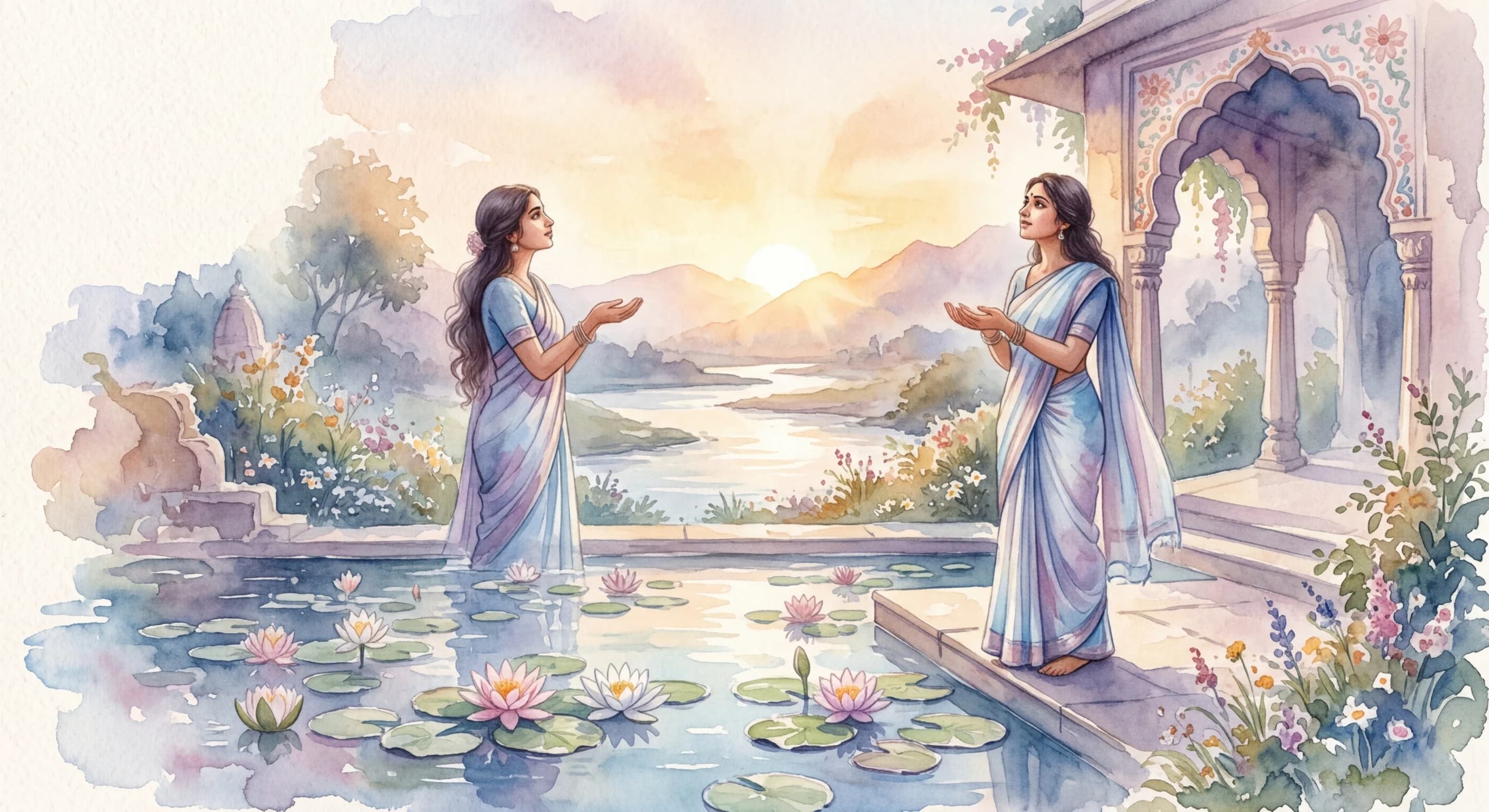
    Artistic representation of Shraddha
    Sanskrit•
    🇮🇳India

    Shraddha

    /SHRA-dhaa/

    Meaning

    Shraddha transcends simple faith, embodying a profound inner conviction and unwavering trust that forms the bedrock of spiritual and personal endeavors. It is a deep-seated belief, often cultivated through introspection and experience, that fuels devotion and commitment, inspiring individuals to act with purpose and perseverance. This inner certainty empowers one to navigate challenges, holding steadfast to principles and aspirations even when external evidence may waver, making it a vital force in personal growth and societal harmony.

    Literal Translation

    faith, belief, trust, devotion

    The Story Behind the Word

    Shraddha is a cornerstone of Indian thought, deeply embedded in Hindu, Buddhist, and Jain traditions. It signifies the essential prerequisite for spiritual learning and practice, without which true understanding and realization are deemed impossible. The concept reveals a worldview where intellectual assent alone is insufficient; genuine transformation requires a heartfelt embrace of teachings, gurus, or divine principles. It underpins the idea that sincere faith unlocks deeper truths and empowers individuals to commit to rigorous spiritual disciplines, artistic pursuits, or even familial duties, fostering a society built on trust, respect, and dedicated action.

    Experience It

    Student's Unwavering Dedication

    Despite numerous setbacks in his studies of ancient scriptures, a young student never lost his Shraddha in his guru's wisdom. This deep conviction allowed him to persevere through difficult texts and complex philosophies, eventually achieving a profound understanding of the teachings.

    Healer's Compassionate Trust

    A traditional Ayurvedic healer possessed immense Shraddha in the efficacy of natural remedies and the body's innate healing capacity. This unwavering belief, coupled with his compassion, inspired confidence in his patients and guided his practice, even when facing skepticism from others.

    The Deeper Meaning

    Shraddha highlights a spiritual epistemology where truth is not solely grasped intellectually but also intuitively and experientially. It posits that an open heart and a trusting mind are essential for receiving and integrating profound knowledge, suggesting that belief precedes and enables understanding. This concept underscores the Indian philosophical emphasis on inner transformation and the cultivation of virtues as pathways to wisdom.

    Did You Know?

    In some Hindu traditions, 'Shraddha' also refers to an important ritual performed for ancestors, demonstrating a profound reverence and belief in the continuity of family ties and spiritual obligations.

    How It's Used

    Shraddha is often used in spiritual contexts to describe faith in deities, gurus, or scriptures. It can also refer to devotion in general, such as devotion to one's work or family. It is a key concept in Hindu, Buddhist, and Jain philosophies.

    Emotions
    gratitude,love
    Contexts
    family,religion,spirituality,work
    🇮🇳India

    by Annelise Dubois·Written Mar 10, 2026·Updated Apr 3, 2026

    Related Words

    Explore more
    Wabi-sabiJapanese

    Wabi-sabi is the profound appreciation for the ephemeral, the imperfect, and the incomplete aspects of existence. It is about discovering beauty in the subtle textures of age, the unique character of flaws, and the gentle decay that marks the passage of time. This philosophy encourages a quiet acceptance of impermanence and a mindful connection to the natural world, finding elegance in simplicity and authenticity.

    IkigaiJapanese

    Ikigai is more than just a reason to get out of bed; it's a deeply personal and evolving sense of purpose that brings genuine fulfillment and joy to one's life. It represents the sweet spot where your passions, talents, needs of the world, and what you can be paid for beautifully converge. Discovering your ikigai often leads to a life lived with intentionality, resilience, and a profound connection to one's contributions. It's the intrinsic motivation that fuels a meaningful existence, regardless of external circumstances.

    NunchiKorean

    Nunchi is the sophisticated, almost telepathic, ability to instantly grasp the unspoken dynamics of any social situation, anticipating others' thoughts and feelings, and then responding with impeccable grace and timing. It's an acute form of social intuition, allowing one to navigate complex interpersonal landscapes by reading subtle cues like body language, tone, and context. Possessing good nunchi means effortlessly understanding the underlying emotional currents and adjusting one's behavior to maintain harmony and effectiveness, often without a single word exchanged.

    JugaadHindi

    Jugaad is more than just a quick fix; it embodies the spirit of resourceful, ingenious improvisation in the face of scarcity or systemic challenges. It's the art of bending rules, repurposing materials, and thinking outside the box to achieve a desired outcome, often with limited financial or technological resources. This approach celebrates clever workarounds and innovative adaptations, turning constraints into catalysts for creative problem-solving. It's about making do and making something work, brilliantly.