U.
HomeRegionsLanguagesEmotionsCollections
Find Your Word

“The limits of my language mean the limits of my world.”

— Ludwig Wittgenstein, Philosopher

Untranslatable

A curated collection of the world's most beautiful expressions—words that remind us language is humanity's greatest invention.

  • Home
  • Collections
  • Regions
  • Countries
  • Emotions
  • Tags
  • Contexts
  • Finder
  • Europe
  • Asia
  • Americas
  • Africa
  • Middle East
  • About
  • Contact
  • Privacy Policy
  • Terms of Service

2026 © Untranslatable. All rights reserved.

    /
    /
    1. Home
    2. /
    3. Asia
    4. /
    5. Dvesha
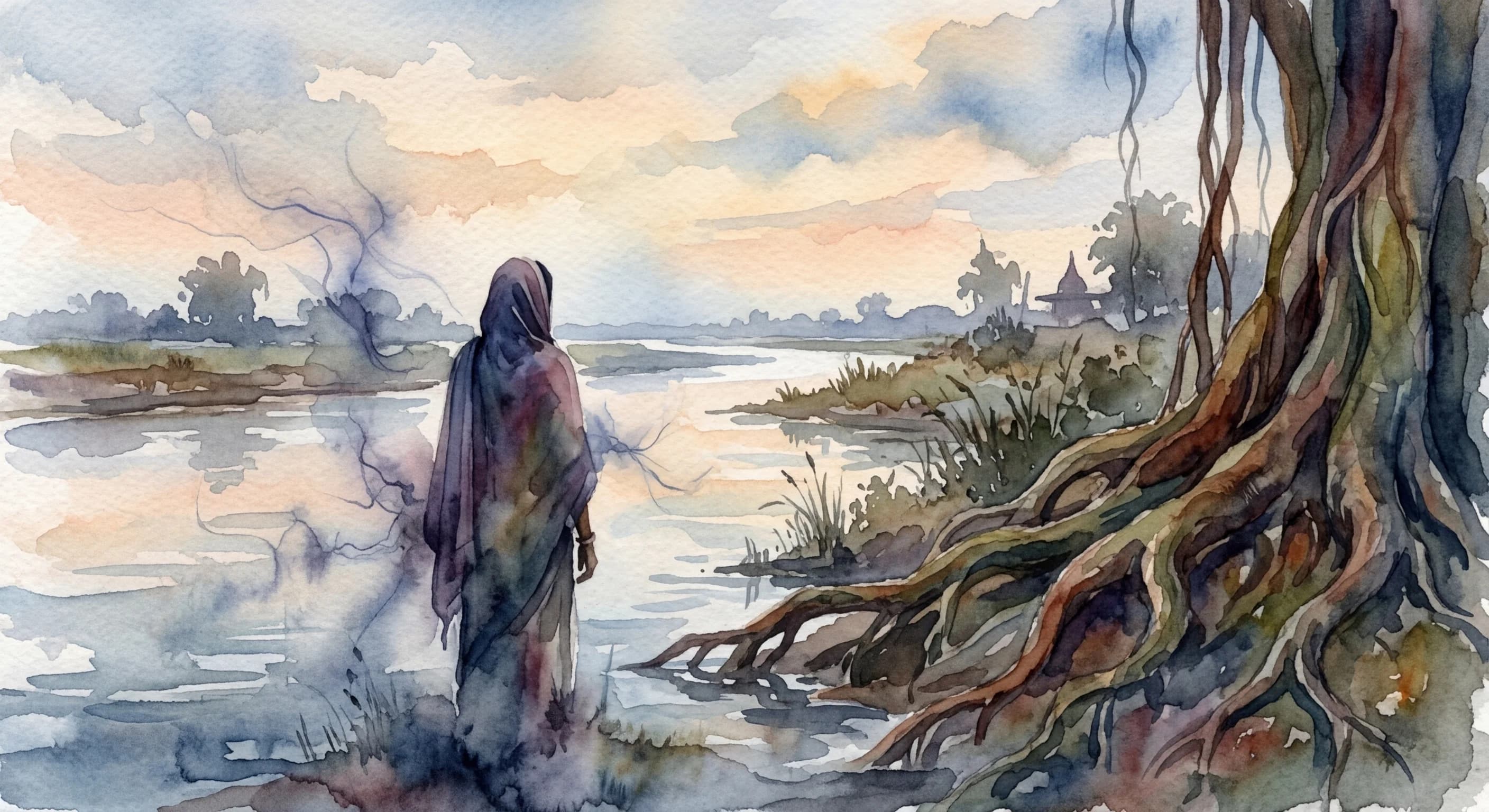
    Artistic representation of Dvesha
    Sanskrit•
    🇮🇳India

    Dvesha

    /DVEH-shuh/

    Meaning

    Dvesha transcends mere dislike; it is a profound, often visceral aversion, a deep-seated repulsion that actively pushes one away from a person, object, or concept. Rooted in ignorance of true reality and fueled by unfulfilled desires, it is a primary mental affliction that binds individuals to a cycle of suffering (samsara). This potent negativity, whether manifest as hatred, ill will, or intense antagonism, clouds judgment and obstructs the path to inner peace and spiritual liberation.

    Literal Translation

    hatred, aversion, repulsion

    The Story Behind the Word

    In Hindu and Buddhist philosophies, dvesha is one of the 'kleshas' or afflictions that impede spiritual progress. Its existence highlights a worldview where inner states are paramount, directly influencing one's karma and future existences. The emphasis on recognizing and overcoming dvesha reveals a culture deeply concerned with self-mastery and the pursuit of liberation (moksha or nirvana). It suggests that true freedom isn't found in external circumstances but in purifying the mind. Ancient texts meticulously dissect dvesha, offering various practices from meditation to ethical conduct, indicating a long-standing societal commitment to cultivating equanimity and compassion as antidotes to this destructive emotion.

    Experience It

    The Ascetic's Struggle

    A seasoned yogi, having renounced worldly possessions, still found a flicker of dvesha whenever he encountered his former rival, a merchant who had wronged him years ago. Despite his spiritual advancements, this deep-seated aversion would subtly disturb his meditative calm, reminding him of the persistent work needed for true liberation.

    Community Division

    In a village, two families held a generations-long dvesha towards each other, originating from a forgotten land dispute. This pervasive ill will prevented cooperation, fostered suspicion, and ultimately harmed the entire community, demonstrating how individual aversion can ripple through society.

    The Deeper Meaning

    The concept of dvesha underscores a profound philosophical understanding that suffering originates not from external events, but from our internal reactions to them. It reveals a worldview that places immense value on the purification of the mind as the ultimate path to freedom and enlightenment. By identifying and dismantling dvesha, one moves closer to a state of equanimity, compassion, and a clear perception of reality, free from the distortions of aversion.

    Did You Know?

    Dvesha is often paired with 'raga' (attachment or craving) in ancient texts. Together, these two fundamental mental states are seen as the twin pillars of suffering and the primary drivers of karma.

    How It's Used

    Dvesha is primarily used in philosophical and religious contexts, particularly within texts discussing the nature of the mind, karma, and spiritual liberation. It is a key term in understanding the obstacles to achieving moksha (liberation) or enlightenment.

    Emotions
    longing,melancholy
    Contexts
    solitude,work
    🇮🇳India

    by Annelise Dubois·Written Mar 10, 2026·Updated Apr 3, 2026

    Related Words

    Explore more
    SaudadePortuguese

    Saudade encapsulates a profound, melancholic longing for something or someone cherished that is absent, often with the bittersweet knowledge that it may never return. It's a deep emotional state tinged with nostalgia, evoking a sense of loss for past experiences, places, or people, yet also holding a tender appreciation for the beauty of what once was. This yearning is not merely sadness, but a complex tapestry of desire, memory, and a poignant acceptance of absence, holding the beloved in a warm, persistent embrace within the heart.

    Wabi-sabiJapanese

    Wabi-sabi is the profound appreciation for the ephemeral, the imperfect, and the incomplete aspects of existence. It is about discovering beauty in the subtle textures of age, the unique character of flaws, and the gentle decay that marks the passage of time. This philosophy encourages a quiet acceptance of impermanence and a mindful connection to the natural world, finding elegance in simplicity and authenticity.

    IkigaiJapanese

    Ikigai is more than just a reason to get out of bed; it's a deeply personal and evolving sense of purpose that brings genuine fulfillment and joy to one's life. It represents the sweet spot where your passions, talents, needs of the world, and what you can be paid for beautifully converge. Discovering your ikigai often leads to a life lived with intentionality, resilience, and a profound connection to one's contributions. It's the intrinsic motivation that fuels a meaningful existence, regardless of external circumstances.

    NunchiKorean

    Nunchi is the sophisticated, almost telepathic, ability to instantly grasp the unspoken dynamics of any social situation, anticipating others' thoughts and feelings, and then responding with impeccable grace and timing. It's an acute form of social intuition, allowing one to navigate complex interpersonal landscapes by reading subtle cues like body language, tone, and context. Possessing good nunchi means effortlessly understanding the underlying emotional currents and adjusting one's behavior to maintain harmony and effectiveness, often without a single word exchanged.