U.
HomeRegionsLanguagesEmotionsCollections
Find Your Word

“The limits of my language mean the limits of my world.”

— Ludwig Wittgenstein, Philosopher

Untranslatable

A curated collection of the world's most beautiful expressions—words that remind us language is humanity's greatest invention.

  • Home
  • Collections
  • Regions
  • Countries
  • Emotions
  • Tags
  • Contexts
  • Finder
  • Europe
  • Asia
  • Americas
  • Africa
  • Middle East
  • About
  • Contact
  • Privacy Policy
  • Terms of Service

2026 © Untranslatable. All rights reserved.

    /
    /
    1. Home
    2. /
    3. Asia
    4. /
    5. Ghairat
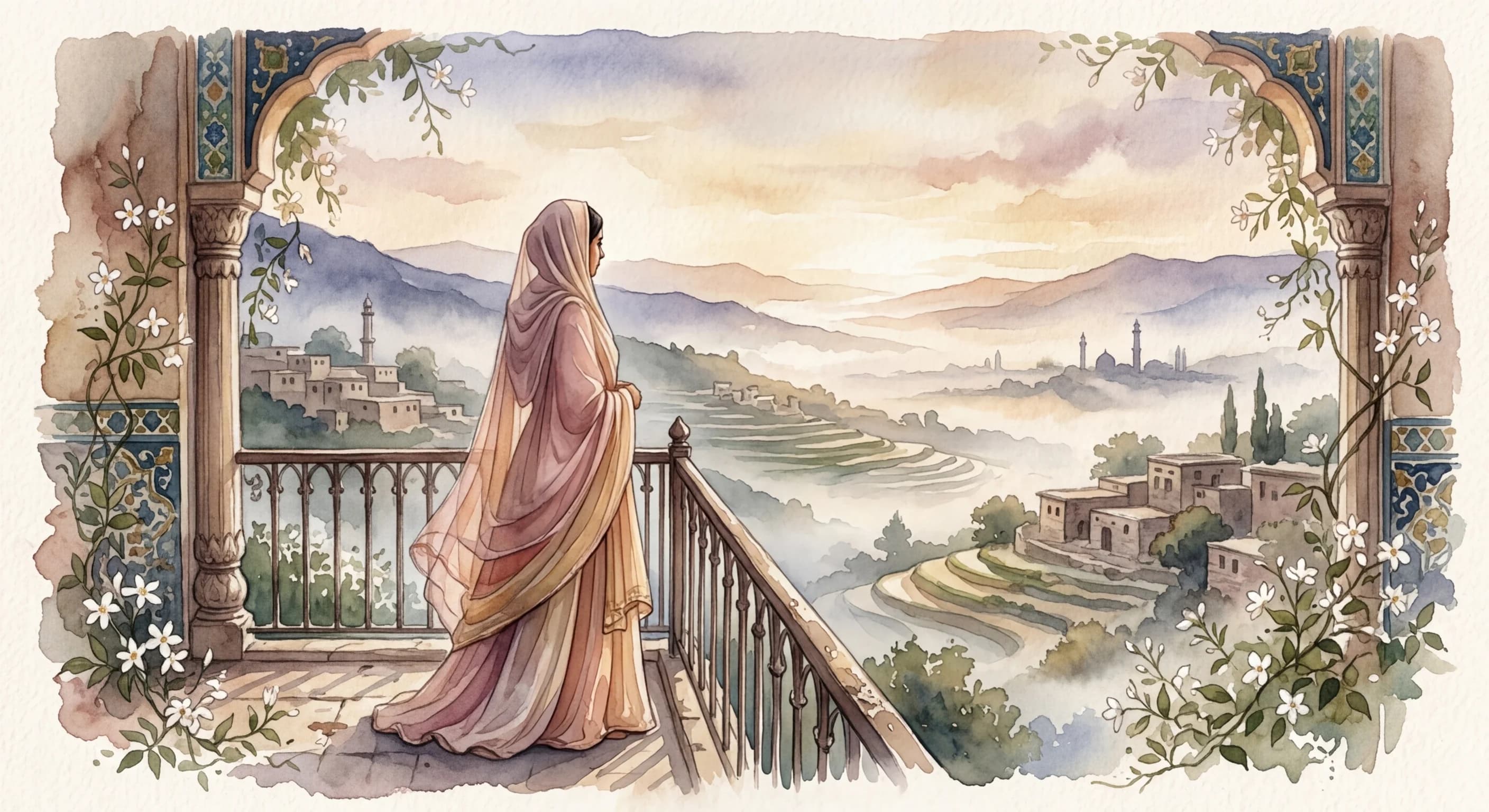
    Artistic representation of Ghairat
    Urdu•
    🇦🇫Afghanistan🇮🇳India🇮🇷Iran🇵🇰Pakistan

    Ghairat

    /GHAY-rut/

    Meaning

    Ghairat is a profound, almost visceral sense of honor and self-respect, meticulously interwoven with the integrity of one's family and community. It acts as an internal moral compass, fiercely guiding behavior, especially in the face of perceived affronts or injustices. To lack ghairat is to invite deep shame and social ostracization, as it signifies a fundamental failure to uphold personal and collective dignity within the intricate social fabric.

    Literal Translation

    Honor, self-respect, dignity, shame

    The Story Behind the Word

    The concept of Ghairat is deeply rooted in the collectivist ethos prevalent in Pakistani and broader South Asian societies, where individual identity is inextricably linked to family and community standing. Historically, in tribal and feudal structures, a family's honor was paramount for survival, protection, and social currency. Losing ghairat could mean a loss of respect, economic opportunities, and even security. This word reflects a worldview where reputation is not merely personal but a communal asset, requiring constant vigilance and defense. It underscores the importance of upholding traditions, respecting elders, and acting in ways that bring pride, not shame, to one's lineage. Its existence highlights a society that values integrity, courage in defending one's name, and a strong sense of collective responsibility.

    Experience It

    Defending Family Honor

    When a young woman's character was unfairly slandered in the village, her brother felt his ghairat demanded he confront the accuser. He did so respectfully but firmly, ensuring his family's reputation remained untarnished.

    Refusing a Bribe

    A government official was offered a substantial bribe to overlook a clear violation. Despite personal financial struggles, his ghairat compelled him to refuse, choosing integrity over illicit gain and upholding his ethical duty.

    The Deeper Meaning

    Ghairat reveals a philosophy where true self-worth is not solely an internal construct but is intrinsically tied to one's conduct within a social matrix. It suggests that dignity is a shared responsibility, constantly negotiated and reaffirmed through actions that uphold moral integrity and protect the collective reputation. This worldview prioritizes ethical behavior as a cornerstone of both personal identity and societal harmony.

    Did You Know?

    Ghairat is often associated with the 'ghairatmand' individual – someone who is perceived as honorable and courageous, always ready to defend their principles and family name.

    How It's Used

    Used to describe a person's sense of honor, dignity, or shame, particularly when their reputation or that of their family is at stake. It can be invoked when someone acts with integrity or, conversely, when they fail to do so.

    Emotion
    pride
    Contexts
    daily life,family,social interaction
    🇦🇫Afghanistan🇮🇳India🇮🇷Iran🇵🇰Pakistan

    by Annelise Dubois·Written Mar 10, 2026·Updated Apr 3, 2026

    Related Words

    Explore more
    Wabi-sabiJapanese

    Wabi-sabi is the profound appreciation for the ephemeral, the imperfect, and the incomplete aspects of existence. It is about discovering beauty in the subtle textures of age, the unique character of flaws, and the gentle decay that marks the passage of time. This philosophy encourages a quiet acceptance of impermanence and a mindful connection to the natural world, finding elegance in simplicity and authenticity.

    IkigaiJapanese

    Ikigai is more than just a reason to get out of bed; it's a deeply personal and evolving sense of purpose that brings genuine fulfillment and joy to one's life. It represents the sweet spot where your passions, talents, needs of the world, and what you can be paid for beautifully converge. Discovering your ikigai often leads to a life lived with intentionality, resilience, and a profound connection to one's contributions. It's the intrinsic motivation that fuels a meaningful existence, regardless of external circumstances.

    NunchiKorean

    Nunchi is the sophisticated, almost telepathic, ability to instantly grasp the unspoken dynamics of any social situation, anticipating others' thoughts and feelings, and then responding with impeccable grace and timing. It's an acute form of social intuition, allowing one to navigate complex interpersonal landscapes by reading subtle cues like body language, tone, and context. Possessing good nunchi means effortlessly understanding the underlying emotional currents and adjusting one's behavior to maintain harmony and effectiveness, often without a single word exchanged.

    JugaadHindi

    Jugaad is more than just a quick fix; it embodies the spirit of resourceful, ingenious improvisation in the face of scarcity or systemic challenges. It's the art of bending rules, repurposing materials, and thinking outside the box to achieve a desired outcome, often with limited financial or technological resources. This approach celebrates clever workarounds and innovative adaptations, turning constraints into catalysts for creative problem-solving. It's about making do and making something work, brilliantly.