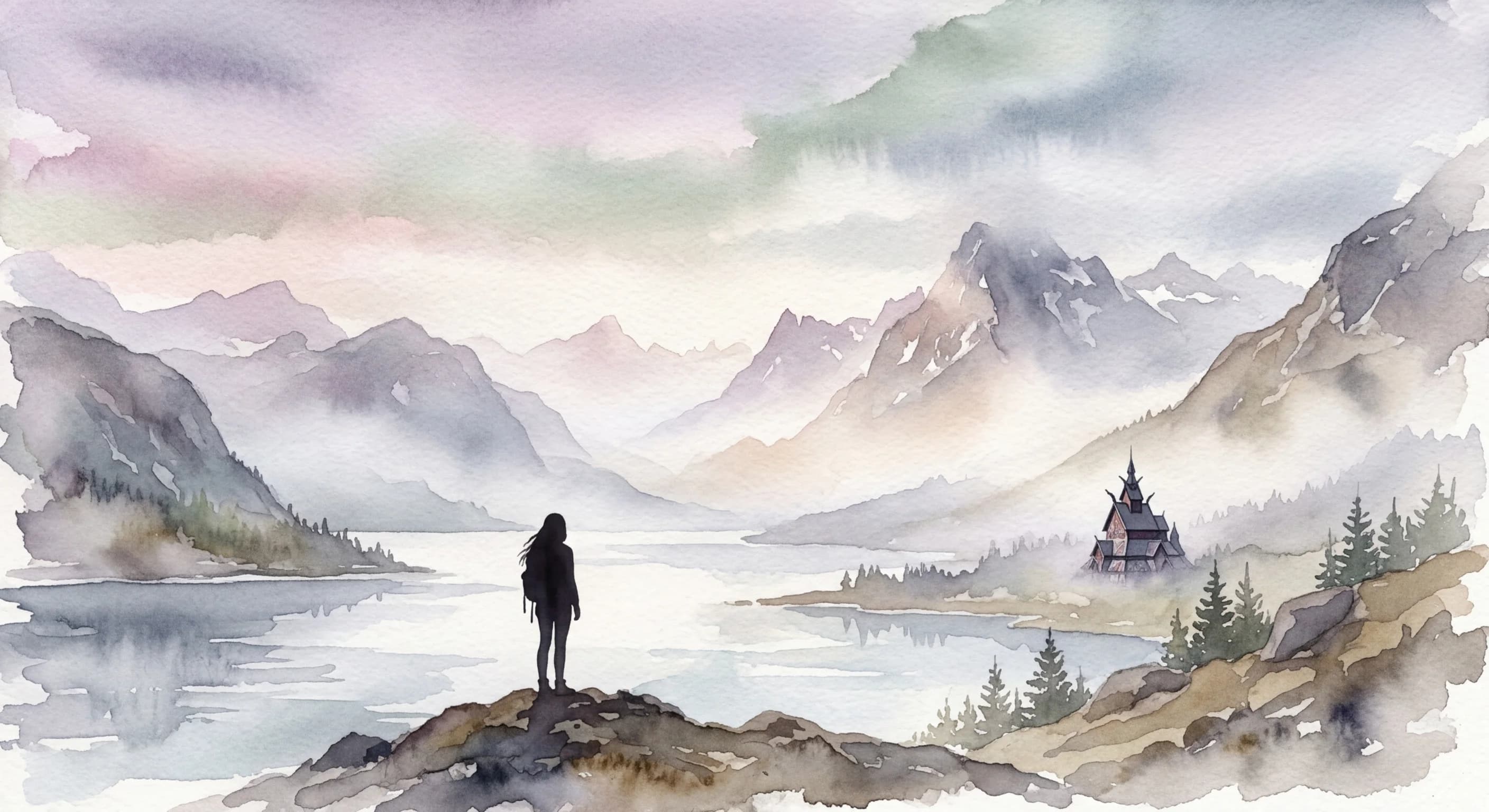
Fjelltur
/FYELL-toor/
Meaning
Fjelltur transcends a simple mountain hike; it's a deeply ingrained cultural practice and a profound communion with Norway's wild, majestic landscapes. It signifies a purposeful journey into the rugged peaks, often involving challenging ascents, unpredictable weather, and the embrace of raw nature. This experience fosters resilience, offers unparalleled peace, and provides a unique perspective on life, culminating in a profound sense of accomplishment and connection to the land.
Literal Translation
Mountain trip
The Story Behind the Word
The concept of "fjelltur" is deeply woven into the fabric of Norwegian identity, reflecting a historical reliance on and reverence for the mountains. For centuries, mountains were both obstacles and sources of livelihood, shaping a resilient and self-sufficient culture. This word embodies the national spirit of friluftsliv (outdoor life), a philosophy emphasizing the importance of spending time in nature for physical and mental well-being. It's not just recreation; it's a fundamental aspect of citizenship, taught from childhood, symbolizing a return to primal roots and a democratic right to access nature (allemannsretten). The fjelltur reveals a people who view nature not as something to be conquered, but to be respectfully engaged with, providing both challenge and solace.
Experience It
Family Summer Fjelltur
The Andersen family packed their rucksacks, ready for their annual summer fjelltur to Jotunheimen. Even their youngest, eight-year-old Liv, was excited for the challenging ascent, knowing the reward was crisp mountain air and a panoramic view from the summit, followed by hot cocoa in a rustic cabin.
Solo Reflection Fjelltur
After a demanding week, Ingrid sought solace on a solo fjelltur up Gaustatoppen. The strenuous climb cleared her mind, and as she stood amidst the vast, silent peaks, she felt a profound sense of peace and clarity, putting her daily worries into perspective.
The Deeper Meaning
Fjelltur embodies a philosophy of embracing self-reliance, resilience, and finding profound meaning in direct engagement with the natural world. It underscores the belief that true well-being is intrinsically linked to outdoor activity, fostering humility in the face of nature's grandeur and a deep appreciation for simplicity and the present moment. It's about finding one's place within, rather than above, the natural order.
Did You Know?
Many Norwegians feel a strong urge to escape to the mountains during Easter, leading to a national tradition of "påskefjelltur" (Easter mountain trips) often involving cross-country skiing.
How It's Used
Used to describe any kind of trip or hike into the mountains, whether it's a short day trip or a multi-day expedition.