U.
HomeRegionsLanguagesEmotionsCollections
Find Your Word

“The limits of my language mean the limits of my world.”

— Ludwig Wittgenstein, Philosopher

Untranslatable

A curated collection of the world's most beautiful expressions—words that remind us language is humanity's greatest invention.

  • Home
  • Collections
  • Regions
  • Countries
  • Emotions
  • Tags
  • Contexts
  • Finder
  • Europe
  • Asia
  • Americas
  • Africa
  • Middle East
  • About
  • Contact
  • Privacy Policy
  • Terms of Service

2026 © Untranslatable. All rights reserved.

    /
    /
    1. Home
    2. /
    3. Asia
    4. /
    5. Pook pun
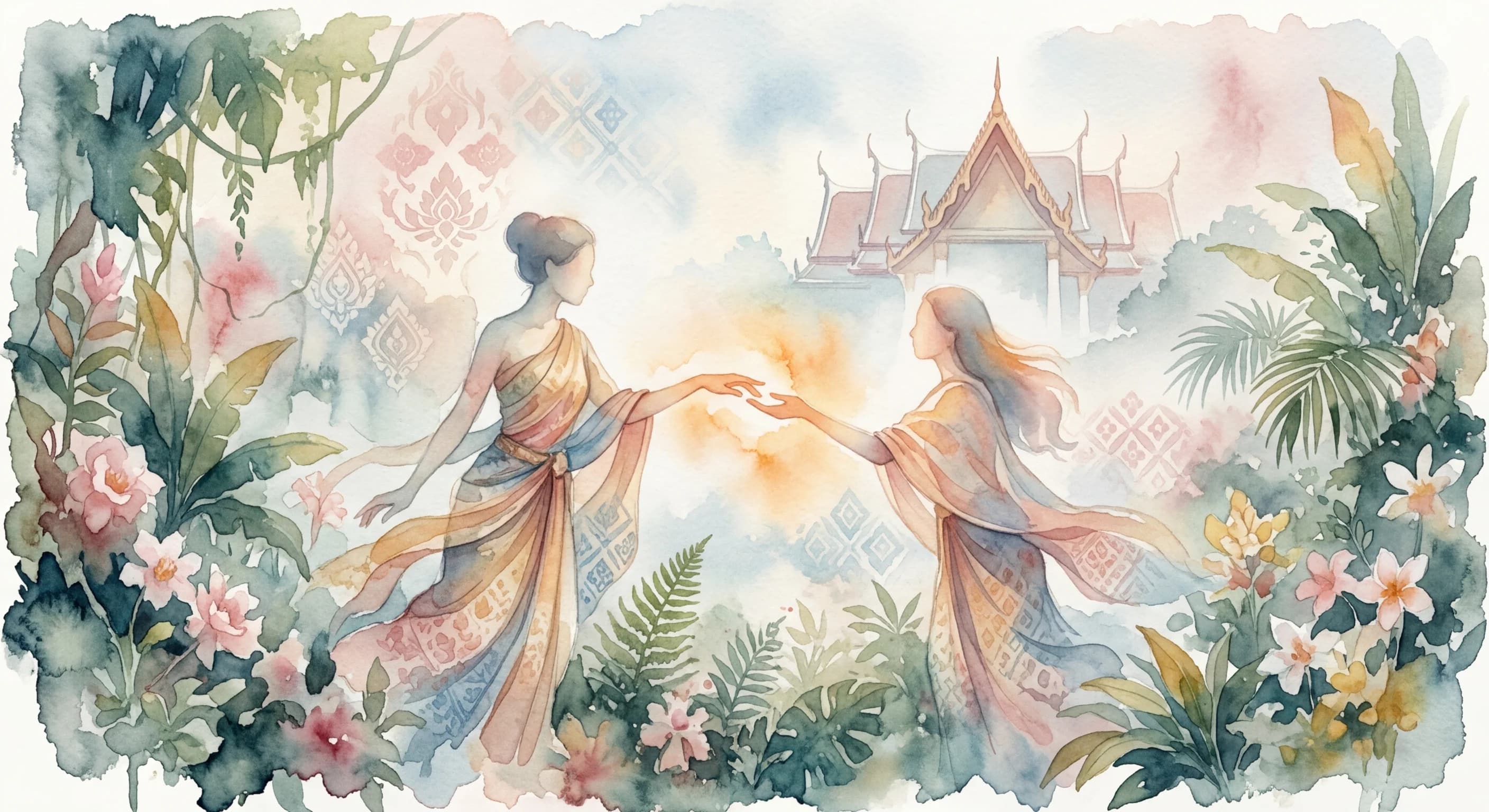
    Artistic representation of pook pun
    Thai•
    🇹🇭Thailand

    Pook pun

    /POOK-pun/

    Meaning

    Pook pun (ผูกพัน) describes a profound, often unspoken, emotional tether that binds individuals together, forged through shared history, mutual experiences, and unwavering support. It's a connection deeper than friendship or familial obligation, characterized by an intrinsic understanding, loyalty, and a tender sense of responsibility for each other's well-being. This bond is cultivated over time, weaving a rich tapestry of interwoven lives and destinies, signifying an enduring interdependence and heartfelt belonging.

    Literal Translation

    tie/bind (ผูก) + relationship/bond (พัน)

    The Story Behind the Word

    The concept of pook pun is deeply embedded in the communal and collectivist ethos of Thai society, where interdependence and harmonious relationships are highly valued. It reflects a worldview shaped by Buddhist principles of interconnectedness (karma) and the importance of Sangha (community). Unlike Western individualism, Thai culture often prioritizes group harmony and long-term relationships, seeing individuals as integral parts of a larger social fabric. This word exists because it articulates a fundamental aspect of Thai social structure and emotional life, where bonds are not merely transactional but are nurtured as essential components of identity and well-being. It underscores the belief that true happiness comes from deep, meaningful connections with others, often extending beyond immediate family to one's community and even the land itself.

    Experience It

    Lifelong Village Friends

    Two elderly women, having grown up in the same small village, sat on their porch, sharing stories of their youth. Despite years apart and different life paths, a deep pook pun remained, evident in their comfortable silence, knowing glances, and unwavering support for each other's families.

    Soldier's Unit Bond

    After years of serving together through arduous training and deployments, a group of soldiers developed an unbreakable pook pun. They understood each other's fears and strengths without words, their loyalty forged in the crucible of shared challenges, promising to always have each other's backs.

    The Deeper Meaning

    Pook pun encapsulates a philosophy of relational being, where identity and well-being are intrinsically linked to one's connections with others. It suggests that human flourishing is not an individual endeavor but a collective one, nurtured through mutual care and sustained emotional ties. This worldview emphasizes interdependence, empathy, and the long-term cultivation of harmonious relationships as central to a meaningful life.

    Did You Know?

    Pook pun can also describe the deep connection a person feels with a place, like their ancestral home or a significant temple, highlighting the spiritual aspect of belonging in Thai culture.

    How It's Used

    Used to describe the strong emotional connection between family members, close friends, or even between a person and a cherished pet or place.

    Emotions
    belonging,comfort,gratitude,love
    Contexts
    family,friendship,romance
    🇹🇭Thailand

    by Anya Petrova·Written Mar 10, 2026·Updated Apr 3, 2026

    Related Words

    Explore more
    SobremesaSpanish

    Sobremesa is the cherished, often extended period immediately following a meal, particularly lunch or dinner, where diners remain seated at the table to enjoy conversation, coffee, and digest not just the food, but the company itself. It’s a dedicated time for unhurried social bonding, storytelling, and shared laughter, transforming a simple meal into a profound communal experience. Far from just clearing the dishes, sobremesa is an integral part of Spanish social life, often lasting for hours.

    Wabi-sabiJapanese

    Wabi-sabi is the profound appreciation for the ephemeral, the imperfect, and the incomplete aspects of existence. It is about discovering beauty in the subtle textures of age, the unique character of flaws, and the gentle decay that marks the passage of time. This philosophy encourages a quiet acceptance of impermanence and a mindful connection to the natural world, finding elegance in simplicity and authenticity.

    IkigaiJapanese

    Ikigai is more than just a reason to get out of bed; it's a deeply personal and evolving sense of purpose that brings genuine fulfillment and joy to one's life. It represents the sweet spot where your passions, talents, needs of the world, and what you can be paid for beautifully converge. Discovering your ikigai often leads to a life lived with intentionality, resilience, and a profound connection to one's contributions. It's the intrinsic motivation that fuels a meaningful existence, regardless of external circumstances.

    NunchiKorean

    Nunchi is the sophisticated, almost telepathic, ability to instantly grasp the unspoken dynamics of any social situation, anticipating others' thoughts and feelings, and then responding with impeccable grace and timing. It's an acute form of social intuition, allowing one to navigate complex interpersonal landscapes by reading subtle cues like body language, tone, and context. Possessing good nunchi means effortlessly understanding the underlying emotional currents and adjusting one's behavior to maintain harmony and effectiveness, often without a single word exchanged.