U.
HomeRegionsLanguagesEmotionsCollections
Find Your Word

“The limits of my language mean the limits of my world.”

— Ludwig Wittgenstein, Philosopher

Untranslatable

A curated collection of the world's most beautiful expressions—words that remind us language is humanity's greatest invention.

  • Home
  • Collections
  • Regions
  • Countries
  • Emotions
  • Tags
  • Contexts
  • Finder
  • Europe
  • Asia
  • Americas
  • Africa
  • Middle East
  • About
  • Contact
  • Privacy Policy
  • Terms of Service

2026 © Untranslatable. All rights reserved.

    /
    /
    1. Home
    2. /
    3. Asia
    4. /
    5. อ้อน (aon)
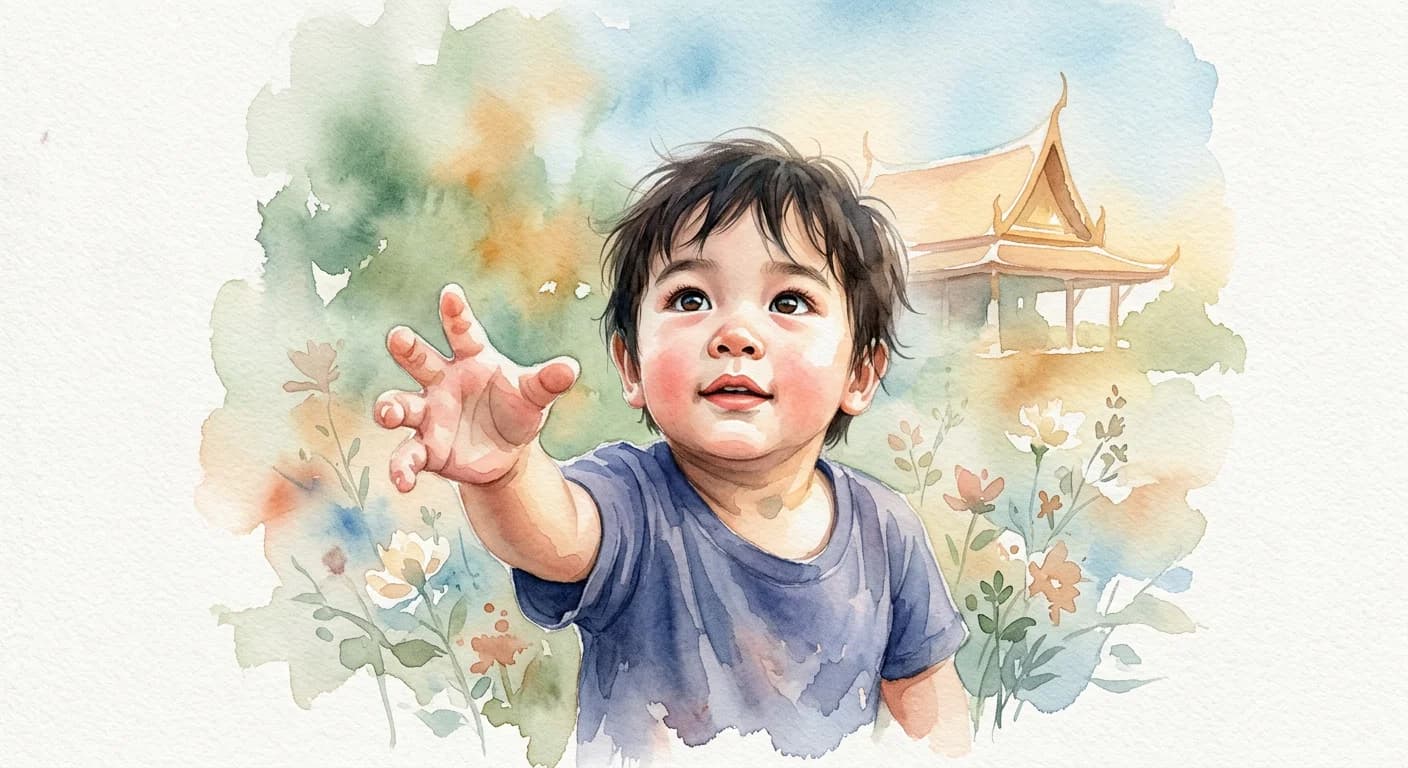
    Artistic representation of อ้อน (aon)
    Thai•
    🇹🇭Thailand

    อ้อน (aon)

    /AWN/

    Meaning

    อ้อน (aon) describes the art of charmingly coaxing or wheedling, often employed by those in a position of affectionate dependency to elicit tenderness and indulgence from a loved one. It's far more nuanced than simple begging; it's a delightful performance of playful vulnerability, using soft words, endearing gestures, and a touch of theatrical cuteness to melt hearts and secure a desired outcome. This delicate dance of persuasion is rooted in the expectation of reciprocated affection, transforming a request into an act of bonding.

    Literal Translation

    To coax, wheedle, beg charmingly

    The Story Behind the Word

    The concept of "อ้อน" is deeply embedded in Thai social dynamics, reflecting a culture that highly values harmony, respect for elders, and the nuanced expression of affection within close relationships. It thrives in a hierarchical yet emotionally expressive society, where individuals often navigate requests through indirect, charming means rather than direct confrontation. This practice highlights a societal understanding that vulnerability, when presented with grace and affection, can be a powerful tool for connection and persuasion, especially within familial and romantic bonds. It underscores a belief in the power of emotional appeal over pure logic, fostering deeper interpersonal ties.

    Experience It

    Child's Sweet Request

    A little girl, wanting an extra bedtime story, clambers onto her mother's lap, burying her face into her shoulder and whispering, 'Na, ka, mae...' (Please, Mom...) with a soft, pleading tone and big, innocent eyes. Her mother, knowing exactly what she's doing, can't help but smile and reach for the book.

    Lover's Playful Appeal

    A young man, hoping his girlfriend will join him for a late-night movie, gently nuzzles her neck, murmuring, 'Plaese na, just one more episode, you know you want to...' with a hopeful, almost puppy-dog expression. She feigns annoyance for a moment before playfully giving in, charmed by his persistence.

    The Deeper Meaning

    The existence and prominence of "อ้อน" in Thai culture reveal a philosophy that values emotional intelligence and relational harmony over direct assertiveness. It suggests a worldview where vulnerability, when expressed with charm and respect, is not a weakness but a potent social tool for strengthening bonds and navigating desires. It underscores the belief that affection and connection can be cultivated and leveraged to achieve desired outcomes, reflecting a deeply human-centric approach to interaction.

    Did You Know?

    อ้อน is not just for people! Thais often describe their pets, especially cats and dogs, as 'อ้อน' when they rub against legs or make cute sounds to beg for food or attention.

    How It's Used

    Used to describe the act of charmingly persuading someone, typically a loved one, to grant a request or show affection.

    Emotions
    comfort,love,warmth
    Contexts
    family,romance
    🇹🇭Thailand

    by Anya Petrova·Written Mar 10, 2026·Updated Apr 3, 2026

    Related Words

    Explore more
    GezelligDutch

    Gezellig encapsulates a profound sense of warmth, belonging, and convivial comfort, extending beyond mere coziness to embrace the social and emotional atmosphere. It's the feeling of being truly at ease, surrounded by good company, laughter, and a shared sense of contentment. This untranslatable term describes not just a physical space, but a holistic experience where time seems to slow down, fostering genuine connection and a deep sense of well-being.

    Wabi-sabiJapanese

    Wabi-sabi is the profound appreciation for the ephemeral, the imperfect, and the incomplete aspects of existence. It is about discovering beauty in the subtle textures of age, the unique character of flaws, and the gentle decay that marks the passage of time. This philosophy encourages a quiet acceptance of impermanence and a mindful connection to the natural world, finding elegance in simplicity and authenticity.

    IkigaiJapanese

    Ikigai is more than just a reason to get out of bed; it's a deeply personal and evolving sense of purpose that brings genuine fulfillment and joy to one's life. It represents the sweet spot where your passions, talents, needs of the world, and what you can be paid for beautifully converge. Discovering your ikigai often leads to a life lived with intentionality, resilience, and a profound connection to one's contributions. It's the intrinsic motivation that fuels a meaningful existence, regardless of external circumstances.

    NunchiKorean

    Nunchi is the sophisticated, almost telepathic, ability to instantly grasp the unspoken dynamics of any social situation, anticipating others' thoughts and feelings, and then responding with impeccable grace and timing. It's an acute form of social intuition, allowing one to navigate complex interpersonal landscapes by reading subtle cues like body language, tone, and context. Possessing good nunchi means effortlessly understanding the underlying emotional currents and adjusting one's behavior to maintain harmony and effectiveness, often without a single word exchanged.