U.
HomeRegionsLanguagesEmotionsCollections
Find Your Word

“The limits of my language mean the limits of my world.”

— Ludwig Wittgenstein, Philosopher

Untranslatable

A curated collection of the world's most beautiful expressions—words that remind us language is humanity's greatest invention.

  • Home
  • Collections
  • Regions
  • Countries
  • Emotions
  • Tags
  • Contexts
  • Finder
  • Europe
  • Asia
  • Americas
  • Africa
  • Middle East
  • About
  • Contact
  • Privacy Policy
  • Terms of Service

2026 © Untranslatable. All rights reserved.

    /
    /
    1. Home
    2. /
    3. Asia
    4. /
    5. Gỏi cuốn
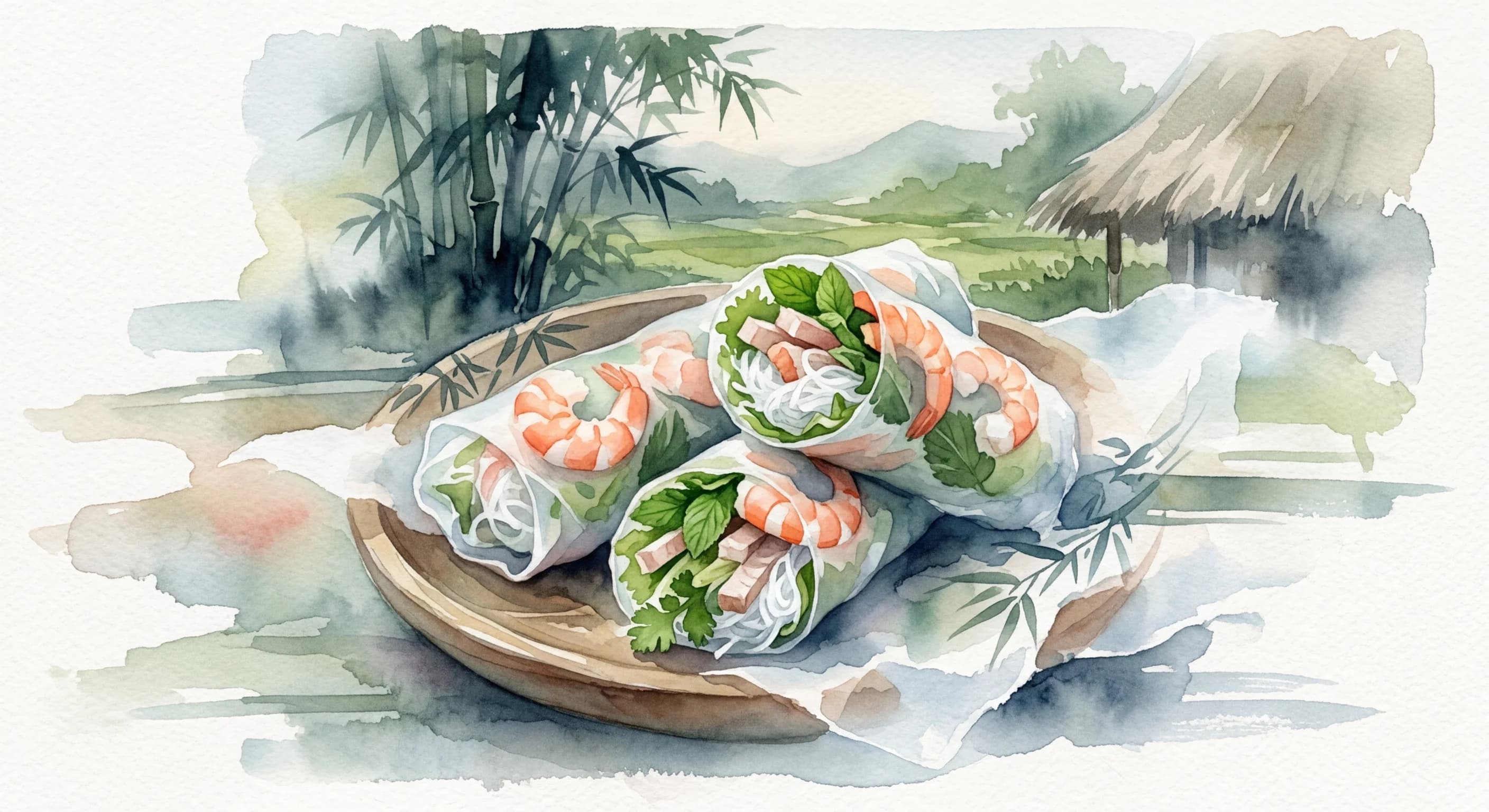
    Artistic representation of Gỏi cuốn
    Vietnamese•
    🇻🇳Vietnam

    Gỏi cuốn

    /goy koon/

    Meaning

    Gỏi cuốn, affectionately known as fresh spring rolls, are a vibrant culinary art form. These translucent rice paper parcels cradle a harmonious symphony of textures and flavors: succulent shrimp, tender pork, delicate vermicelli, and a crisp bouquet of fresh herbs like mint and basil, all bound by a leafy green. They represent a refreshing, light, and healthy bite, often served with a rich peanut sauce or a tangy nuoc cham, embodying the Vietnamese appreciation for balance and freshness in every mouthful.

    Literal Translation

    salad roll

    The Story Behind the Word

    Gỏi cuốn are more than just food; they are a representation of Vietnamese culinary philosophy, emphasizing freshness, balance (yin and yang through hot and cold ingredients), and communal eating. Their preparation, often a shared activity, fosters connection and conversation. The delicate act of rolling each ingredient perfectly within the thin rice paper reflects a cultural value placed on meticulousness and presentation. Historically, these rolls provided a practical way to consume fresh produce and protein, especially in a tropical climate where heavier, fried foods might be less appealing. They embody a simple elegance and a deep connection to the land's bounty, showcasing the Vietnamese knack for transforming humble ingredients into exquisite dishes.

    Experience It

    Family Dinner Ritual

    A Vietnamese family gathers around a laden table, each member eagerly preparing their own gỏi cuốn. Laughter and chatter fill the air as they carefully select ingredients, demonstrating individual preferences before dipping their perfectly crafted rolls into a shared bowl of peanut sauce, a timeless tradition of togetherness.

    Street Food Delight

    Under the bustling lights of a Saigon night market, a street vendor expertly assembles gỏi cuốn, her hands moving with practiced grace. A hungry tourist watches, mesmerized by the vibrant colors, then savors the cool, fresh explosion of flavors, a perfect antidote to the tropical heat and a true taste of local life.

    The Deeper Meaning

    Gỏi cuốn embody the Vietnamese principle of 'ăn ngon mặc đẹp' (eat well, dress beautifully), reflecting a holistic approach to life that values both physical nourishment and aesthetic pleasure. The dish's emphasis on fresh, natural ingredients and balanced flavors also speaks to a deep connection with nature and a preference for simplicity that allows the inherent qualities of each component to shine.

    Did You Know?

    Unlike their fried counterparts (chả giò), gỏi cuốn are not cooked after assembly, making them an incredibly refreshing and popular choice for hot weather.

    How It's Used

    This term is used to refer to the specific dish of fresh spring rolls in Vietnamese cuisine.

    Emotions
    belonging,comfort,warmth
    Contexts
    dining,family,greeting
    🇻🇳Vietnam

    by Anya Petrova·Written Mar 10, 2026·Updated Apr 3, 2026

    Related Words

    Explore more
    GezelligDutch

    Gezellig encapsulates a profound sense of warmth, belonging, and convivial comfort, extending beyond mere coziness to embrace the social and emotional atmosphere. It's the feeling of being truly at ease, surrounded by good company, laughter, and a shared sense of contentment. This untranslatable term describes not just a physical space, but a holistic experience where time seems to slow down, fostering genuine connection and a deep sense of well-being.

    SobremesaSpanish

    Sobremesa is the cherished, often extended period immediately following a meal, particularly lunch or dinner, where diners remain seated at the table to enjoy conversation, coffee, and digest not just the food, but the company itself. It’s a dedicated time for unhurried social bonding, storytelling, and shared laughter, transforming a simple meal into a profound communal experience. Far from just clearing the dishes, sobremesa is an integral part of Spanish social life, often lasting for hours.

    Wabi-sabiJapanese

    Wabi-sabi is the profound appreciation for the ephemeral, the imperfect, and the incomplete aspects of existence. It is about discovering beauty in the subtle textures of age, the unique character of flaws, and the gentle decay that marks the passage of time. This philosophy encourages a quiet acceptance of impermanence and a mindful connection to the natural world, finding elegance in simplicity and authenticity.

    IkigaiJapanese

    Ikigai is more than just a reason to get out of bed; it's a deeply personal and evolving sense of purpose that brings genuine fulfillment and joy to one's life. It represents the sweet spot where your passions, talents, needs of the world, and what you can be paid for beautifully converge. Discovering your ikigai often leads to a life lived with intentionality, resilience, and a profound connection to one's contributions. It's the intrinsic motivation that fuels a meaningful existence, regardless of external circumstances.