U.
HomeRegionsLanguagesEmotionsCollections
Find Your Word

“The limits of my language mean the limits of my world.”

— Ludwig Wittgenstein, Philosopher

Untranslatable

A curated collection of the world's most beautiful expressions—words that remind us language is humanity's greatest invention.

  • Home
  • Collections
  • Regions
  • Countries
  • Emotions
  • Tags
  • Contexts
  • Finder
  • Europe
  • Asia
  • Americas
  • Africa
  • Middle East
  • About
  • Contact
  • Privacy Policy
  • Terms of Service

2026 © Untranslatable. All rights reserved.

    /
    /
    1. Home
    2. /
    3. Asia
    4. /
    5. Lì xì
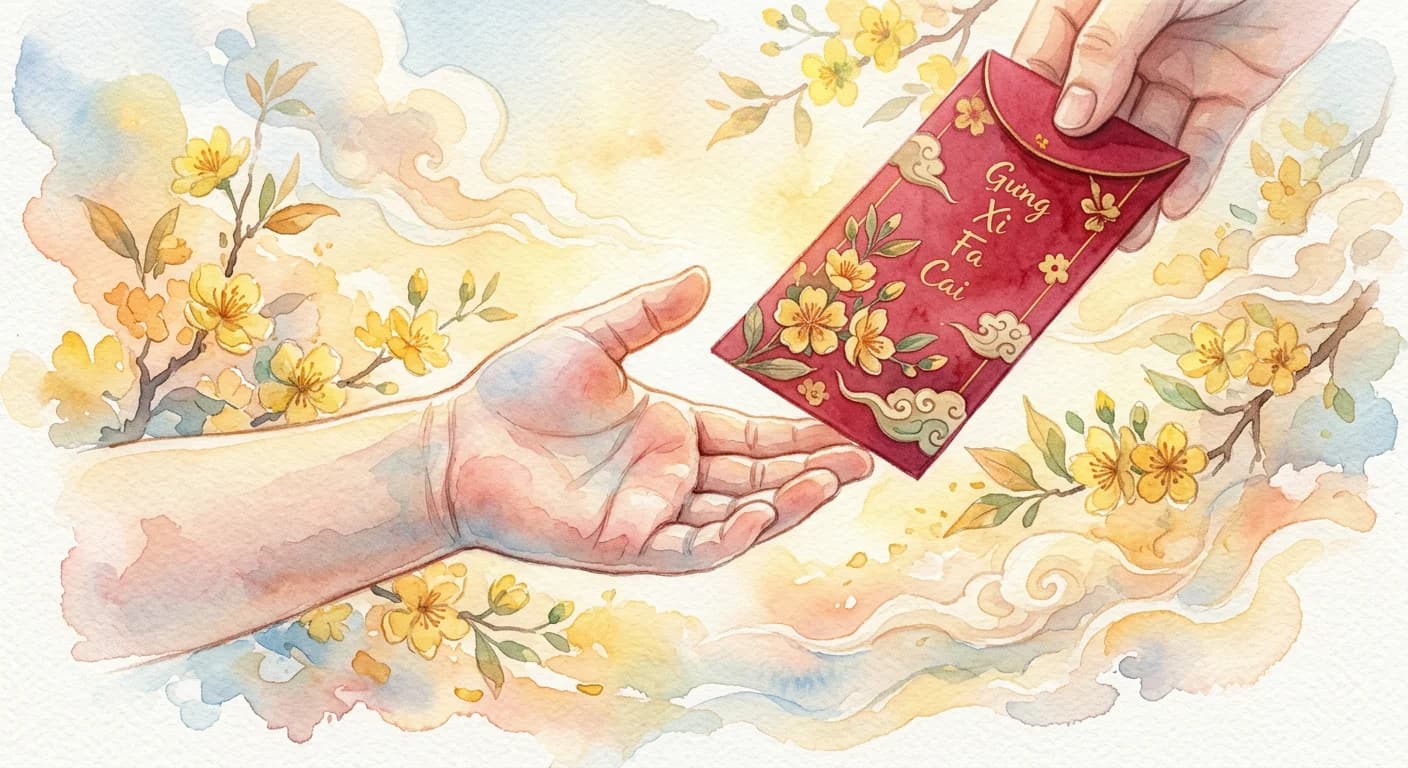
    Artistic representation of Lì xì
    Vietnamese•
    🇻🇳Vietnam

    Lì xì

    /lee see/

    Meaning

    Lì xì is the vibrant Vietnamese tradition of presenting a red envelope filled with money, especially prominent during Lunar New Year (Tết) and other joyous milestones like weddings or birthdays. Far exceeding a simple monetary gift, it embodies a profound blessing, a tangible wish for good fortune, prosperity, and health to the recipient. This cherished ritual reinforces community bonds and expresses heartfelt generosity, intertwining the act of giving and receiving with deep cultural significance and auspicious connotations.

    Literal Translation

    lucky money

    The Story Behind the Word

    The practice of giving lì xì is steeped in ancient folklore and Daoist principles, often linked to the legend of evil spirits (Sui) causing harm to children on New Year's Eve. Eight immortals transformed into coins to protect the children, inspiring adults to wrap money in red paper to ward off malevolent forces. The color red itself is paramount, symbolizing good luck, vitality, and warding off evil in Vietnamese culture. This tradition reflects a collectivist worldview, emphasizing familial piety, respect for elders, and the intergenerational transfer of blessings and good will. It's not just about the money, but the intention and the symbolic transfer of positive energy and well-wishes, reinforcing social harmony and familial bonds.

    Experience It

    Tết Morning Blessings

    On the first morning of Tết, little Mai eagerly approaches her grandparents. With a warm smile, her grandmother hands her a crisp red envelope, saying, 'May you have a year filled with good health and excellent studies, cháu yêu.' Mai bows respectfully, clutching the lì xì, feeling cherished and blessed.

    Wedding Joy

    At their cousin's wedding reception, Anh and Minh present a beautifully decorated red envelope to the newlywed couple. 'We wish you a lifetime of happiness, prosperity, and many children,' Anh says, conveying their heartfelt blessings for the couple's new journey together, a gesture deeply appreciated by the bride and groom.

    The Deeper Meaning

    Lì xì embodies a philosophy of reciprocal blessings and intergenerational gratitude. It's not merely a transaction but a spiritual exchange, where elders bestow wisdom and good fortune upon the young, and the young show respect and appreciation. This practice reinforces the cyclical nature of life, family unity, and the enduring belief in the power of positive intentions and symbolic gestures to shape one's destiny.

    Did You Know?

    The crispness of the new banknotes inside lì xì is almost as important as the amount, symbolizing a fresh start and new beginnings for the year ahead.

    How It's Used

    Given during Lunar New Year (Tết) to children and unmarried younger relatives, as well as at weddings and birthdays.

    Emotions
    gratitude,hope,joy,warmth
    Contexts
    celebration,family,greeting
    🇻🇳Vietnam

    by Anya Petrova·Written Mar 10, 2026·Updated Apr 3, 2026

    Related Words

    Explore more
    GezelligDutch

    Gezellig encapsulates a profound sense of warmth, belonging, and convivial comfort, extending beyond mere coziness to embrace the social and emotional atmosphere. It's the feeling of being truly at ease, surrounded by good company, laughter, and a shared sense of contentment. This untranslatable term describes not just a physical space, but a holistic experience where time seems to slow down, fostering genuine connection and a deep sense of well-being.

    Wabi-sabiJapanese

    Wabi-sabi is the profound appreciation for the ephemeral, the imperfect, and the incomplete aspects of existence. It is about discovering beauty in the subtle textures of age, the unique character of flaws, and the gentle decay that marks the passage of time. This philosophy encourages a quiet acceptance of impermanence and a mindful connection to the natural world, finding elegance in simplicity and authenticity.

    IkigaiJapanese

    Ikigai is more than just a reason to get out of bed; it's a deeply personal and evolving sense of purpose that brings genuine fulfillment and joy to one's life. It represents the sweet spot where your passions, talents, needs of the world, and what you can be paid for beautifully converge. Discovering your ikigai often leads to a life lived with intentionality, resilience, and a profound connection to one's contributions. It's the intrinsic motivation that fuels a meaningful existence, regardless of external circumstances.

    NunchiKorean

    Nunchi is the sophisticated, almost telepathic, ability to instantly grasp the unspoken dynamics of any social situation, anticipating others' thoughts and feelings, and then responding with impeccable grace and timing. It's an acute form of social intuition, allowing one to navigate complex interpersonal landscapes by reading subtle cues like body language, tone, and context. Possessing good nunchi means effortlessly understanding the underlying emotional currents and adjusting one's behavior to maintain harmony and effectiveness, often without a single word exchanged.