Hiếu thảo
/HEW-thow/
Meaning
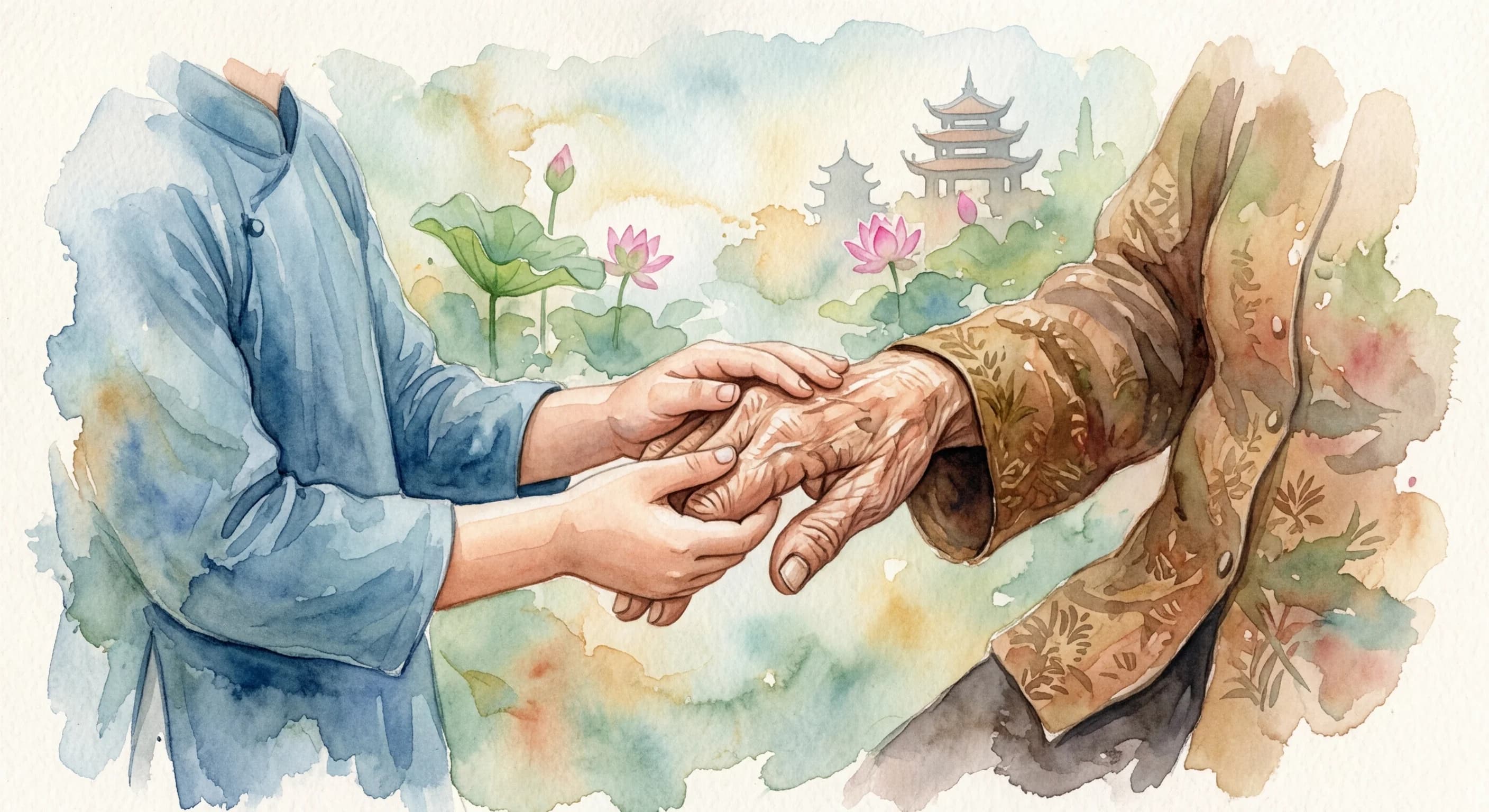
Hiếu thảo is the profound, active embodiment of filial piety in Vietnamese culture, transcending mere obedience to encompass a deep, lifelong commitment of respect, care, and devotion to one's parents and elders. It signifies an enduring moral obligation and heartfelt dedication, guiding daily actions and life choices from childhood through adulthood. This virtue emphasizes not just providing material support, but also emotional comfort, honor, and upholding the family's reputation, reflecting a reciprocal duty that binds generations.
Literal Translation
filial piety
The Story Behind the Word
The roots of hiếu thảo are deeply embedded in Confucian philosophy, which arrived in Vietnam over a millennium ago and became a cornerstone of its societal structure. Confucianism emphasized the 'Five Relationships,' with the parent-child relationship being paramount, viewing the family as the miniature state. Practicing hiếu thảo was not merely a personal virtue but a civic one, contributing to social harmony and order. It reflects a collectivist worldview where individual identity is strongly tied to family lineage and ancestral veneration. This concept is reinforced through folk tales, proverbs, and traditional education, solidifying the belief that one's success and well-being are inextricably linked to honoring and caring for those who gave them life and nurtured them.
Experience It
Choosing Family Over Career
Mai, a talented architect, received an offer for a prestigious job overseas. However, her aging parents were experiencing health issues and needed daily care. Demonstrating hiếu thảo, Mai declined the offer, choosing to stay in Vietnam to personally look after her parents, ensuring their comfort and well-being, even if it meant sacrificing a career advancement opportunity.
Honoring Ancestors Annually
Every Tết (Lunar New Year), the Lê family gathers at their ancestral altar. The eldest son, Thành, meticulously prepares offerings, cleans the altar, and leads the prayers, ensuring that the deceased parents and grandparents are respectfully remembered and honored. This annual ritual is a clear act of hiếu thảo, connecting the living with their heritage and expressing gratitude to those who came before.
The Deeper Meaning
Hiếu thảo reveals a cyclical worldview where life is an ongoing exchange of duties and blessings between generations. It underscores the belief that the family unit is the fundamental building block of society, and that personal fulfillment is achieved not through radical individualism, but through fulfilling one's integral role within the intergenerational tapestry. It posits that respect for elders is not merely politeness, but a recognition of the wisdom and sacrifices that sustain the community.
Did You Know?
The Vietnamese phrase 'Công cha như núi Thái Sơn, Nghĩa mẹ như nước trong nguồn chảy ra' (Father's merits are like Thái Sơn mountain, Mother's love is like water flowing from a spring) is a popular proverb encapsulating the immense debt children owe their parents, driving the spirit of hiếu thảo.
How It's Used
Used to describe the virtue and behavior of being devoted and respectful to parents and elders.