U.
HomeRegionsLanguagesEmotionsCollections
Find Your Word

“The limits of my language mean the limits of my world.”

— Ludwig Wittgenstein, Philosopher

Untranslatable

A curated collection of the world's most beautiful expressions—words that remind us language is humanity's greatest invention.

  • Home
  • Collections
  • Regions
  • Countries
  • Emotions
  • Tags
  • Contexts
  • Finder
  • Europe
  • Asia
  • Americas
  • Africa
  • Middle East
  • About
  • Contact
  • Privacy Policy
  • Terms of Service

2026 © Untranslatable. All rights reserved.

    /
    /
    1. Home
    2. /
    3. Asia
    4. /
    5. Chảnh
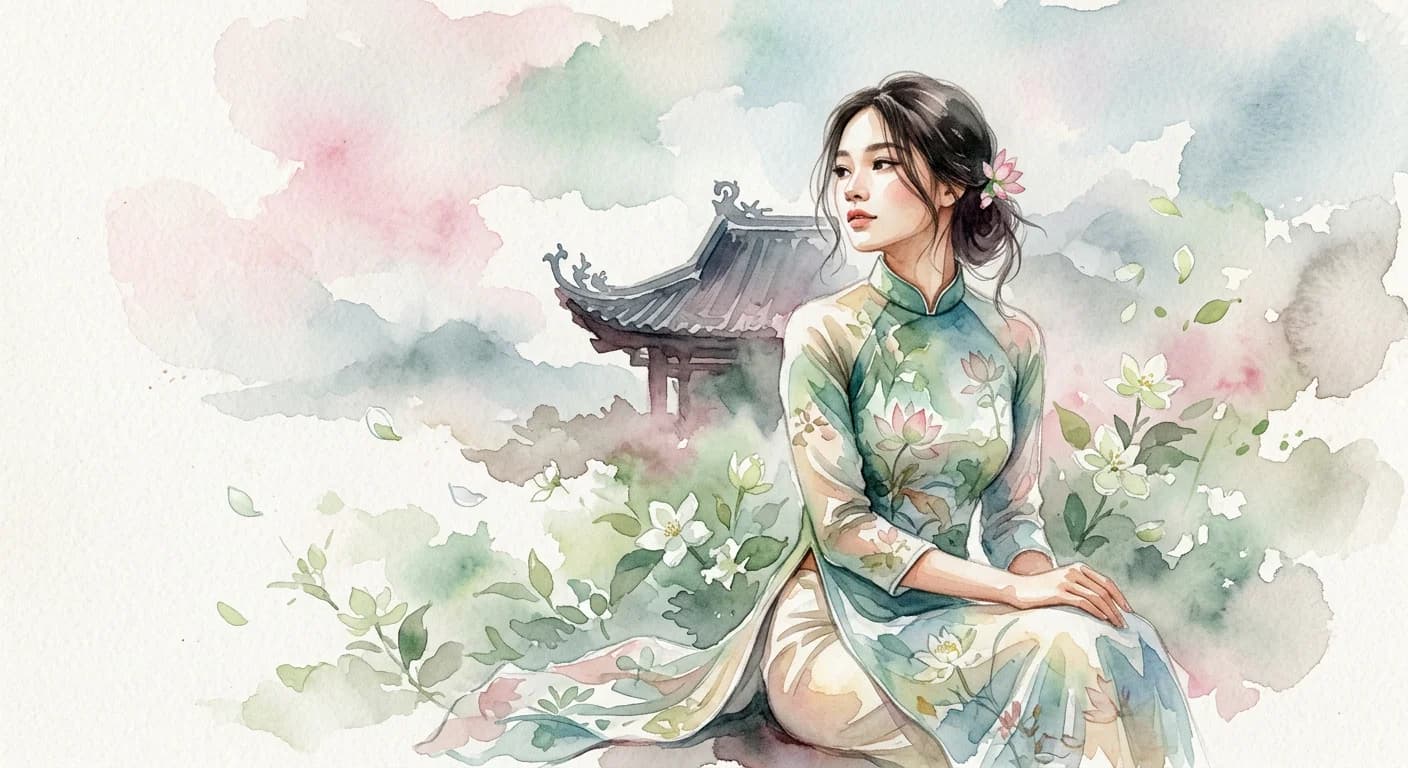
    Artistic representation of Chảnh
    Vietnamese•
    🇻🇳Vietnam

    Chảnh

    /CHAHNG/

    Meaning

    Chảnh describes a sophisticated form of aloofness, where a person, often a woman, consciously projects an aura of superiority or desirability. It's not mere pride, but a deliberate performance designed to make others strive harder for their attention, approval, or affection. This can manifest as feigned indifference, a subtly dismissive glance, or a general air of being above the common fray, thereby amplifying their perceived value and magnetism in social interactions.

    Literal Translation

    Arrogant, proud, aloof (often used playfully)

    The Story Behind the Word

    The existence of 'chảnh' in Vietnamese culture speaks to a nuanced understanding of social dynamics, particularly in courtship and hierarchical relationships. It reflects a society where indirect communication and 'face' (honor/dignity) play significant roles. For women, 'chảnh' can be a strategic tool, allowing them to assert value and attract more earnest suitors without appearing overtly aggressive or desperate. It also highlights a cultural appreciation for a certain level of mystique and the art of 'playing hard to get,' often seen as a sign of self-respect and high standards, rather than outright arrogance. This word encapsulates a complex interplay of power, allure, and social performance.

    Experience It

    The Elusive Date

    At a café, a young woman barely glances up from her book when a new suitor approaches, offering a polite but distant smile. She answers his questions concisely, maintaining an air of quiet self-possession, making him feel he needs to truly impress her to earn her full attention. Her friends later tease her, saying, 'You were so chảnh!'

    The Cool Influencer

    A fashion influencer posts a photo, looking effortlessly chic, but offering no direct engagement with the camera. Her comments section is flooded with admiration, yet she rarely replies, maintaining a detached, almost regal presence. Her followers adore her precisely because she seems a little chảnh, making her approval feel more valuable.

    The Deeper Meaning

    The concept of 'chảnh' reveals a cultural philosophy that values perceived scarcity and the art of self-presentation as a form of social capital. It suggests that true worth isn't just inherent, but can be amplified through strategic aloofness, creating a dynamic where desirability is enhanced by the effort required to attain it. This reflects an understanding of human psychology where what is easily given is often less valued.

    Did You Know?

    While often applied to women, men can also be described as 'chảnh' if they exhibit a similar air of self-important aloofness, especially in professional or social climbing contexts.

    How It's Used

    Used to describe someone, typically a woman, who is acting aloof, hard to get, or superior, often in a flirtatious or attention-seeking way.

    Emotions
    anger,joy,longing
    Contexts
    daily life,romance,social interaction
    🇻🇳Vietnam

    by Sofia Rossi·Written Mar 10, 2026·Updated Apr 3, 2026

    Related Words

    Explore more
    Wabi-sabiJapanese

    Wabi-sabi is the profound appreciation for the ephemeral, the imperfect, and the incomplete aspects of existence. It is about discovering beauty in the subtle textures of age, the unique character of flaws, and the gentle decay that marks the passage of time. This philosophy encourages a quiet acceptance of impermanence and a mindful connection to the natural world, finding elegance in simplicity and authenticity.

    IkigaiJapanese

    Ikigai is more than just a reason to get out of bed; it's a deeply personal and evolving sense of purpose that brings genuine fulfillment and joy to one's life. It represents the sweet spot where your passions, talents, needs of the world, and what you can be paid for beautifully converge. Discovering your ikigai often leads to a life lived with intentionality, resilience, and a profound connection to one's contributions. It's the intrinsic motivation that fuels a meaningful existence, regardless of external circumstances.

    NunchiKorean

    Nunchi is the sophisticated, almost telepathic, ability to instantly grasp the unspoken dynamics of any social situation, anticipating others' thoughts and feelings, and then responding with impeccable grace and timing. It's an acute form of social intuition, allowing one to navigate complex interpersonal landscapes by reading subtle cues like body language, tone, and context. Possessing good nunchi means effortlessly understanding the underlying emotional currents and adjusting one's behavior to maintain harmony and effectiveness, often without a single word exchanged.

    JugaadHindi

    Jugaad is more than just a quick fix; it embodies the spirit of resourceful, ingenious improvisation in the face of scarcity or systemic challenges. It's the art of bending rules, repurposing materials, and thinking outside the box to achieve a desired outcome, often with limited financial or technological resources. This approach celebrates clever workarounds and innovative adaptations, turning constraints into catalysts for creative problem-solving. It's about making do and making something work, brilliantly.

    Featured in 1 collection

    😄Humor Across Cultures