Gia giáo
/Gia Jao/
Meaning
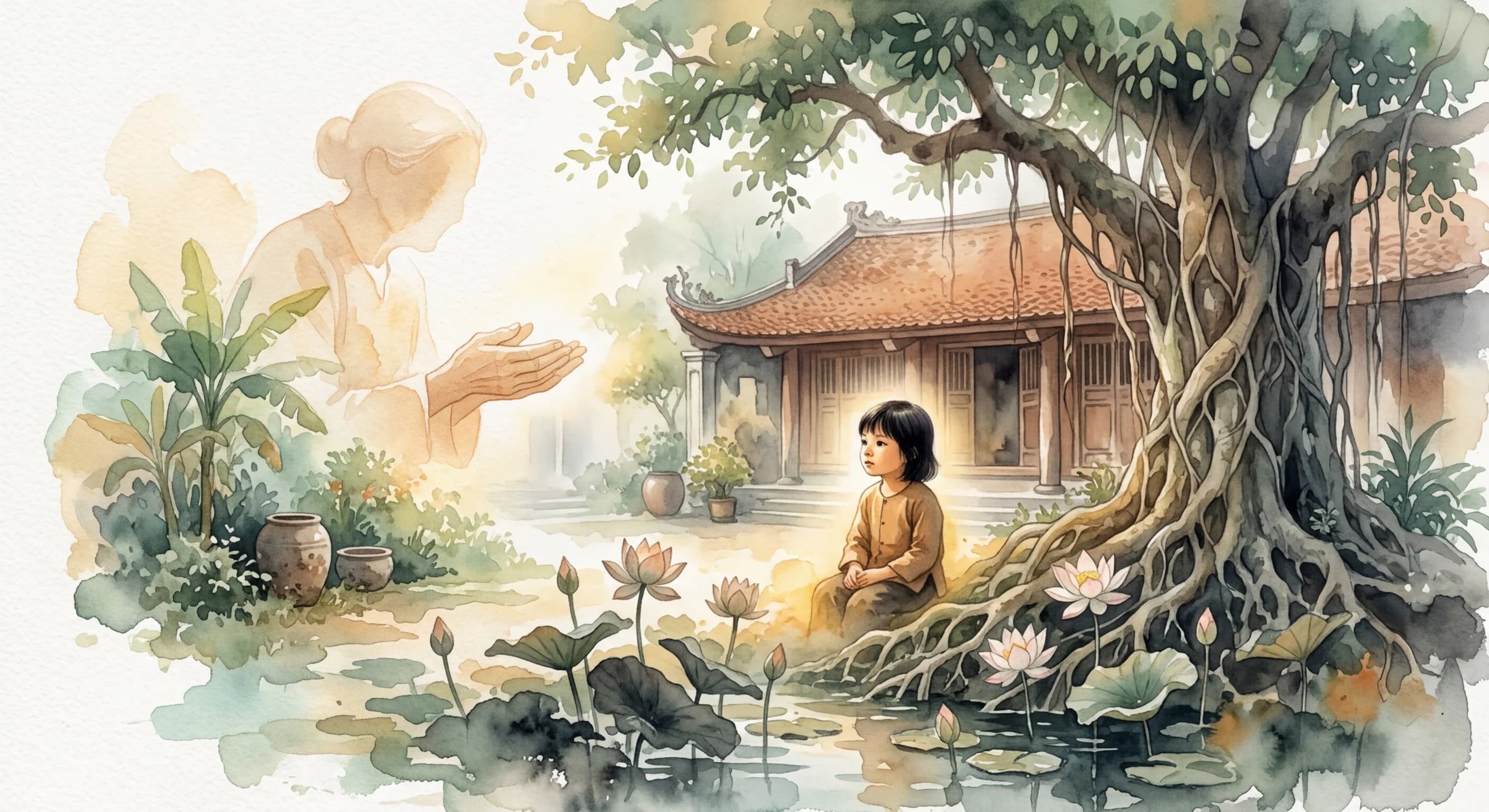
Gia giáo encapsulates the profound moral and ethical framework meticulously cultivated and transmitted across generations within a Vietnamese family. It is a living heritage, a tapestry woven from Confucian ideals of filial piety, deep respect for elders, the pursuit of knowledge, and the cultivation of harmonious social conduct. This ingrained spiritual and ethical upbringing molds an individual's identity from childhood, instilling a profound sense of duty, responsibility, and belonging to their family and the wider community, forming the very bedrock of Vietnamese societal order.
Literal Translation
Family teaching
The Story Behind the Word
The concept of gia giáo is deeply rooted in Vietnam's historical embrace of Confucianism, which, alongside indigenous spiritual beliefs, became the foundational philosophy for social and moral order for centuries. Its existence reflects a society that historically prioritized the collective over the individual, where the family unit (gia đình) was the primary school for life. Gia giáo is not merely a set of rules but a comprehensive way of life, emphasizing intergenerational wisdom, ancestral veneration, and the continuous effort to uphold the family's honor and legacy. It reveals a worldview where an individual's worth is inextricably linked to their conduct within the family and community, shaping their destiny and contributing to the spiritual capital of their lineage. This continuous transmission of values ensures cultural continuity and societal stability.
Experience It
Family Dinner Etiquette
During a family dinner, young Mai instinctively offers the best piece of fish to her grandmother first, then serves her parents before herself. Her actions, though unspoken, reflect the gia giáo she has absorbed, prioritizing respect for elders and demonstrating filial piety through small, mindful gestures.
Academic Diligence
When Linh receives a less-than-perfect grade, her parents don't scold her but gently remind her of the family's expectation for diligence and the importance of education for future success and family honor. This gentle guidance, rooted in gia giáo, motivates Linh to study harder, not just for herself but for her family's aspirations.
The Deeper Meaning
Gia giáo reveals a profound philosophical understanding of personhood as inherently relational and intergenerational. It posits that an individual is not an isolated entity but a link in a continuous chain, shaped by and responsible to those who came before and those who will follow. This worldview underscores the importance of cultivation – of self, family, and community – as the highest moral endeavor, where virtue is practiced daily and passed down as the most precious inheritance.
Did You Know?
While often associated with traditional, conservative values, gia giáo is dynamic; many modern Vietnamese families adapt its core principles to contemporary life, emphasizing moral integrity and responsibility in new contexts.
How It's Used
Used to describe the traditional values and moral education instilled by a family, often in reference to upbringing and cultural heritage.