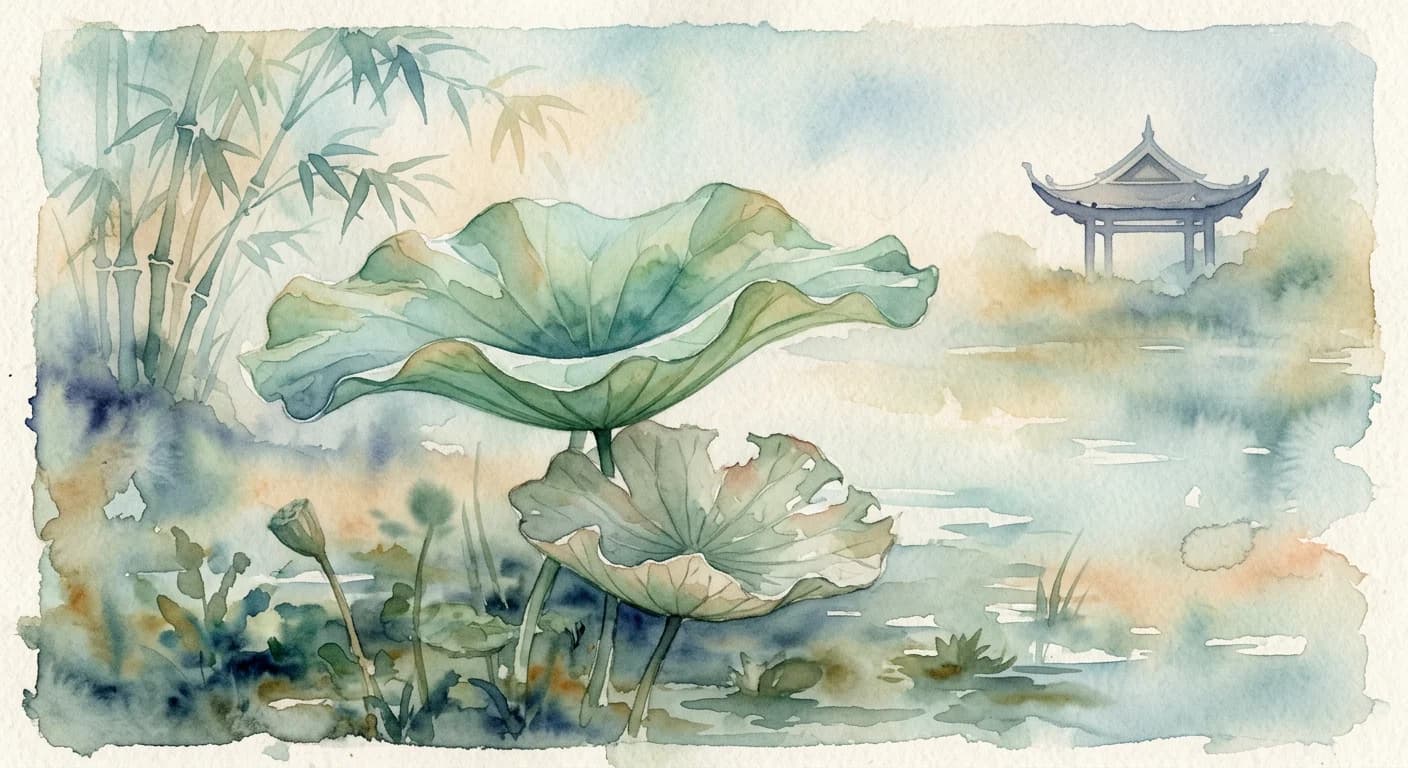
Lá lành đùm lá rách
/LAH-lahn DOOM-lah RAHK/
Meaning
This Vietnamese proverb beautifully encapsulates the profound spirit of mutual aid and collective responsibility, particularly among those facing adversity. It literally translates to 'a whole leaf shelters a torn leaf,' signifying that those with more resources or stability are morally bound to support those in greater need. This isn't mere charity, but an intrinsic understanding that communal well-being is paramount, ensuring no one is left to suffer in isolation. It underscores a deep cultural imperative to share and uplift, fostering resilience within the community.
Literal Translation
A whole leaf shelters a torn leaf
The Story Behind the Word
The proverb 'Lá lành đùm lá rách' is deeply rooted in Vietnam's agricultural history and the tight-knit village structures that characterized much of its past. In a society often vulnerable to natural disasters and periods of scarcity, collective survival was not just an ideal but a necessity. The image of leaves protecting each other speaks to this organic, interconnected existence, where individual well-being is inextricably linked to the group's. It reflects a Confucian-influenced ethos emphasizing harmony, filial piety, and community responsibility, where contributing to the collective good is a moral obligation. This worldview prioritizes interdependence over individualism, fostering a profound sense of empathy and a commitment to ensuring that even the most vulnerable members of society are cared for, thereby strengthening the entire social fabric.
Experience It
Community Flood Relief
After a devastating flood, families whose homes were spared quickly mobilized. They shared their dry clothes, cooked meals, and offered spare rooms to neighbors who had lost everything, embodying 'lá lành đùm lá rách' without a second thought.
Supporting a Sick Neighbor
When Mrs. Mai fell ill and couldn't tend her garden or prepare meals, her neighbors took turns bringing her food, cleaning her house, and helping with her chores. They saw it as their duty, knowing that one day they might need similar support.
The Deeper Meaning
This proverb reveals a core Vietnamese philosophical perspective centered on organic solidarity and the interconnectedness of human experience. It posits that individual prosperity is not truly meaningful without the well-being of the community. The 'torn leaf' is not an outsider but an integral part of the same plant; its suffering weakens the whole. This worldview fosters an inherent sense of responsibility for others, promoting a harmonious society built on mutual support rather than competitive individualism.
Did You Know?
The imagery of 'leaves' isn't just poetic; it reflects the literal use of leaves in traditional Vietnamese life for wrapping food, sheltering from rain, and even medicine, highlighting their protective and utilitarian roles.
How It's Used
This proverb is often invoked to encourage generosity, especially towards the less fortunate, or to highlight instances where people are helping each other through difficult times. It serves as a reminder of shared responsibility within a community.