U.
HomeRegionsLanguagesEmotionsCollections
Find Your Word

“The limits of my language mean the limits of my world.”

— Ludwig Wittgenstein, Philosopher

Untranslatable

A curated collection of the world's most beautiful expressions—words that remind us language is humanity's greatest invention.

  • Home
  • Collections
  • Regions
  • Countries
  • Emotions
  • Tags
  • Contexts
  • Finder
  • Europe
  • Asia
  • Americas
  • Africa
  • Middle East
  • About
  • Contact
  • Privacy Policy
  • Terms of Service

2026 © Untranslatable. All rights reserved.

    /
    /
    1. Home
    2. /
    3. Asia
    4. /
    5. Ngalay
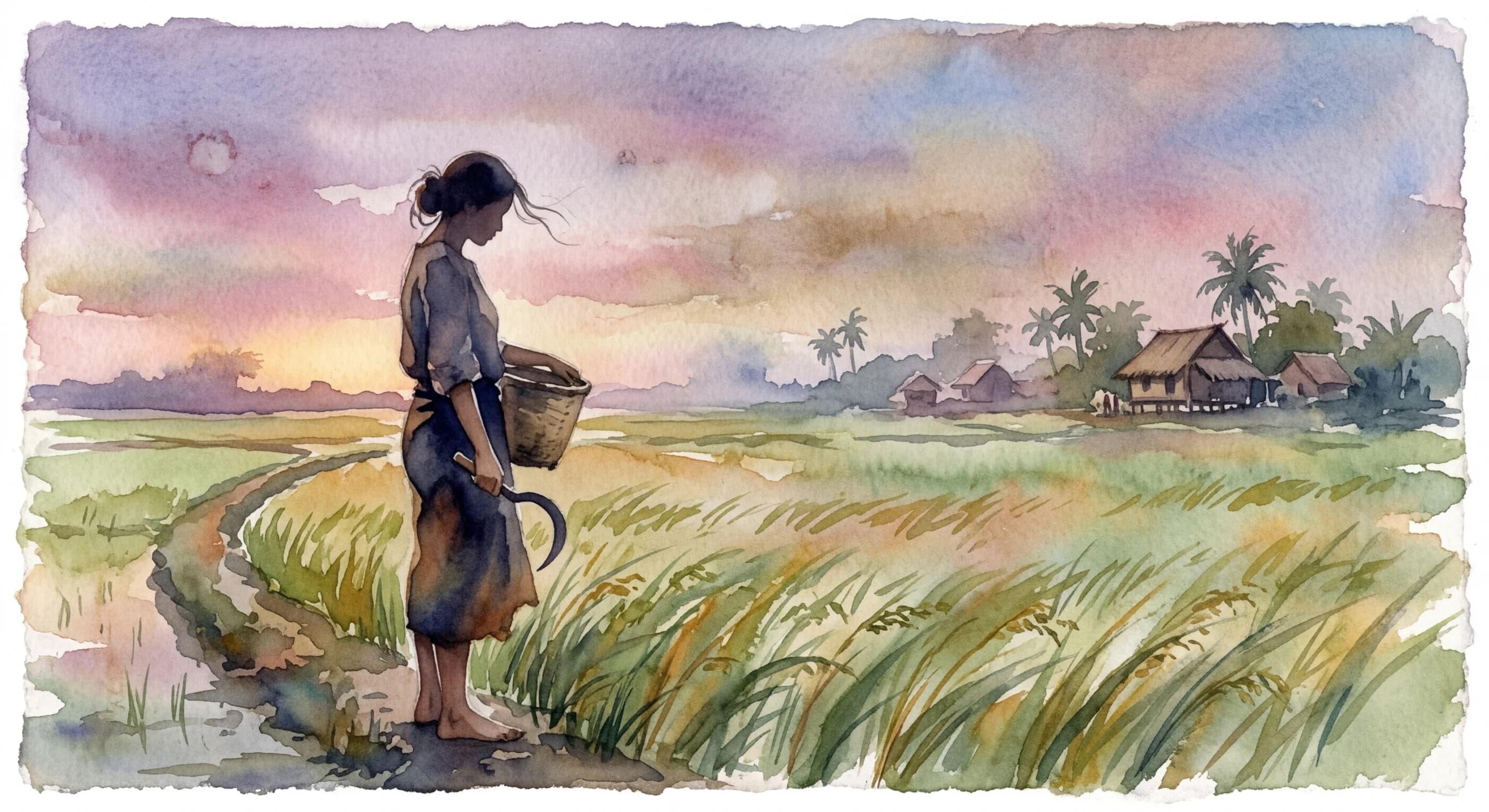
    Artistic representation of Ngalay
    Filipino•
    🇵🇭Philippines

    Ngalay

    /nah-GAH-lie/

    Meaning

    Ngalay describes a profound physical weariness, a deep-seated exhaustion that permeates the muscles after sustained exertion. It's more than simple tiredness; it's a heavy, sluggish sensation, often accompanied by a dull, persistent ache that makes further movement feel burdensome. This state is intimately familiar to Filipinos engaged in manual labor, long commutes, or energetic cultural dances, marking a distinct depletion of one's physical reserves.

    Literal Translation

    weariness, exhaustion

    The Story Behind the Word

    The existence and common usage of 'ngalay' in the Philippines speaks volumes about a culture where physical resilience and sustained effort are often necessities, not just choices. For many, daily life involves significant manual labor, long commutes on crowded public transport, or working under the tropical sun. 'Ngalay' acknowledges and validates the toll these activities take on the body, providing a collective understanding and empathy for this specific form of fatigue. It's a recognition that the body can become truly 'spent' from honest work or strenuous activity, a feeling that unites people across different social strata. It suggests a cultural value placed on endurance and hard work, while also allowing for the expression of its physical cost.

    Experience It

    Post-Harvest Ache

    After a full day under the scorching sun, meticulously harvesting rice by hand, Mang Tonyo felt a deep ngalay settle into his shoulders and back. Each step towards home was heavy, his limbs protesting the day's relentless work.

    Commuter's Weariness

    Aling Nena endured a two-hour jeepney ride, standing packed shoulder-to-shoulder, followed by a long walk to her office. By lunchtime, a familiar ngalay pulsed in her legs and feet, a testament to her daily urban trek.

    The Deeper Meaning

    Ngalay reflects a pragmatic worldview that acknowledges the body's limits and the physical cost of labor and daily life. It embodies a collective understanding that hard work inevitably leads to a specific, palpable exhaustion. This shared experience fosters empathy and resilience, recognizing that physical depletion is a natural consequence of effort, rather than a failing, and is a state to be recovered from before continuing. It's an acceptance of the physical demands life often places upon individuals.

    Did You Know?

    While primarily physical, 'ngalay' can also subtly imply a mental 'weariness of the spirit' stemming from repetitive, draining tasks, highlighting the interconnectedness of mind and body.

    How It's Used

    Used to describe the feeling of physical tiredness and aching after exertion.

    Emotion
    melancholy
    Contexts
    relaxation,work
    🇵🇭Philippines

    by Annelise Dubois·Written Mar 10, 2026·Updated Apr 3, 2026

    Related Words

    Explore more
    SaudadePortuguese

    Saudade encapsulates a profound, melancholic longing for something or someone cherished that is absent, often with the bittersweet knowledge that it may never return. It's a deep emotional state tinged with nostalgia, evoking a sense of loss for past experiences, places, or people, yet also holding a tender appreciation for the beauty of what once was. This yearning is not merely sadness, but a complex tapestry of desire, memory, and a poignant acceptance of absence, holding the beloved in a warm, persistent embrace within the heart.

    Wabi-sabiJapanese

    Wabi-sabi is the profound appreciation for the ephemeral, the imperfect, and the incomplete aspects of existence. It is about discovering beauty in the subtle textures of age, the unique character of flaws, and the gentle decay that marks the passage of time. This philosophy encourages a quiet acceptance of impermanence and a mindful connection to the natural world, finding elegance in simplicity and authenticity.

    IkigaiJapanese

    Ikigai is more than just a reason to get out of bed; it's a deeply personal and evolving sense of purpose that brings genuine fulfillment and joy to one's life. It represents the sweet spot where your passions, talents, needs of the world, and what you can be paid for beautifully converge. Discovering your ikigai often leads to a life lived with intentionality, resilience, and a profound connection to one's contributions. It's the intrinsic motivation that fuels a meaningful existence, regardless of external circumstances.

    NunchiKorean

    Nunchi is the sophisticated, almost telepathic, ability to instantly grasp the unspoken dynamics of any social situation, anticipating others' thoughts and feelings, and then responding with impeccable grace and timing. It's an acute form of social intuition, allowing one to navigate complex interpersonal landscapes by reading subtle cues like body language, tone, and context. Possessing good nunchi means effortlessly understanding the underlying emotional currents and adjusting one's behavior to maintain harmony and effectiveness, often without a single word exchanged.