Pasma
/PAHS-mah/
Meaning
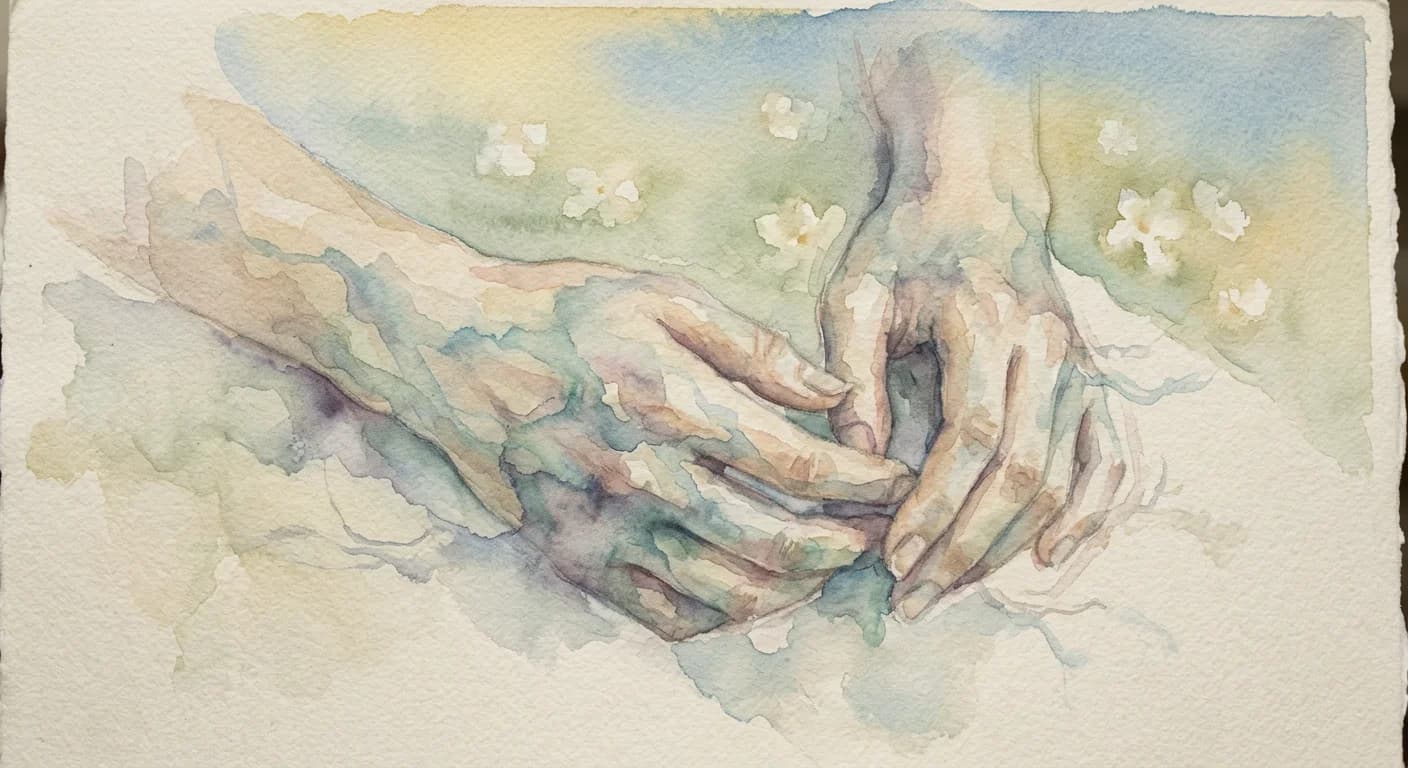
Pasma describes a perplexing condition in Filipino culture, characterized by involuntary, often persistent trembling of the hands or feet, believed to stem from spiritual or mystical contamination. It's not merely a medical tremor but a deeply ingrained cultural ailment, often attributed to violating taboos or encountering 'impure' energies. This affliction manifests as a physical symptom, yet its roots are understood to lie in the invisible interplay between the physical body and the spiritual realm, carrying significant social stigma and fear.
Literal Translation
tremor, shaking (in the context of the ailment)
The Story Behind the Word
The concept of "pasma" is deeply woven into the fabric of Filipino folk beliefs, reflecting a worldview where the spiritual and physical are inextricably linked. It originates from pre-colonial animistic traditions, where the natural world and human actions were believed to be governed by spirits (anitos) and cosmic balance. Violating taboos, such as touching a corpse without proper cleansing rituals, or even exposing oneself to extreme temperature changes after strenuous activity, could invite spiritual imbalance, manifesting as "pasma." This belief system underscores a profound respect for invisible forces and the potential consequences of disrupting natural or spiritual harmony. It emphasizes collective responsibility and adherence to community norms, as individual actions can have spiritual repercussions that affect one's physical well-being. The enduring presence of "pasma" in contemporary discourse, despite advances in modern medicine, highlights the resilience of these traditional epistemologies in the Philippines.
Experience It
Post-Funeral Tremors
After attending a wake and handling the deceased, Aling Nena’s hands began to tremble uncontrollably for days. Her neighbors whispered it was 'pasma', a consequence of not performing the traditional cleansing rituals after being exposed to death's lingering energy.
Fisherman's Chill
Mang Tonyo, a fisherman, came home from a long, cold night at sea and immediately plunged his hands into warm water. The next morning, his hands were shaking, and his wife worried he had caught 'pasma' from the sudden temperature shock, a common folk belief.
The Deeper Meaning
Pasma reveals a holistic Filipino worldview that blurs the lines between the physical, emotional, and spiritual. It suggests that bodily ailments are not solely biological but can be symptoms of deeper disharmonies, often stemming from moral transgressions or environmental imbalances. This perspective fosters a sense of interconnectedness, where individual well-being is intrinsically linked to adherence to societal norms and respect for unseen forces.
Did You Know?
Some traditional Filipino healers (albularyos) use specific prayers, herbal remedies, and even specialized massages (hilot) to 'cure' pasma, targeting both its physical symptoms and its perceived spiritual origins.
How It's Used
Used to describe a condition of uncontrollable hand or foot tremors, often attributed to supernatural or taboo causes.