U.
HomeRegionsLanguagesEmotionsCollections
Find Your Word

“The limits of my language mean the limits of my world.”

— Ludwig Wittgenstein, Philosopher

Untranslatable

A curated collection of the world's most beautiful expressions—words that remind us language is humanity's greatest invention.

  • Home
  • Collections
  • Regions
  • Countries
  • Emotions
  • Tags
  • Contexts
  • Finder
  • Europe
  • Asia
  • Americas
  • Africa
  • Middle East
  • About
  • Contact
  • Privacy Policy
  • Terms of Service

2026 © Untranslatable. All rights reserved.

    /
    /
    1. Home
    2. /
    3. Asia
    4. /
    5. Pakikisama
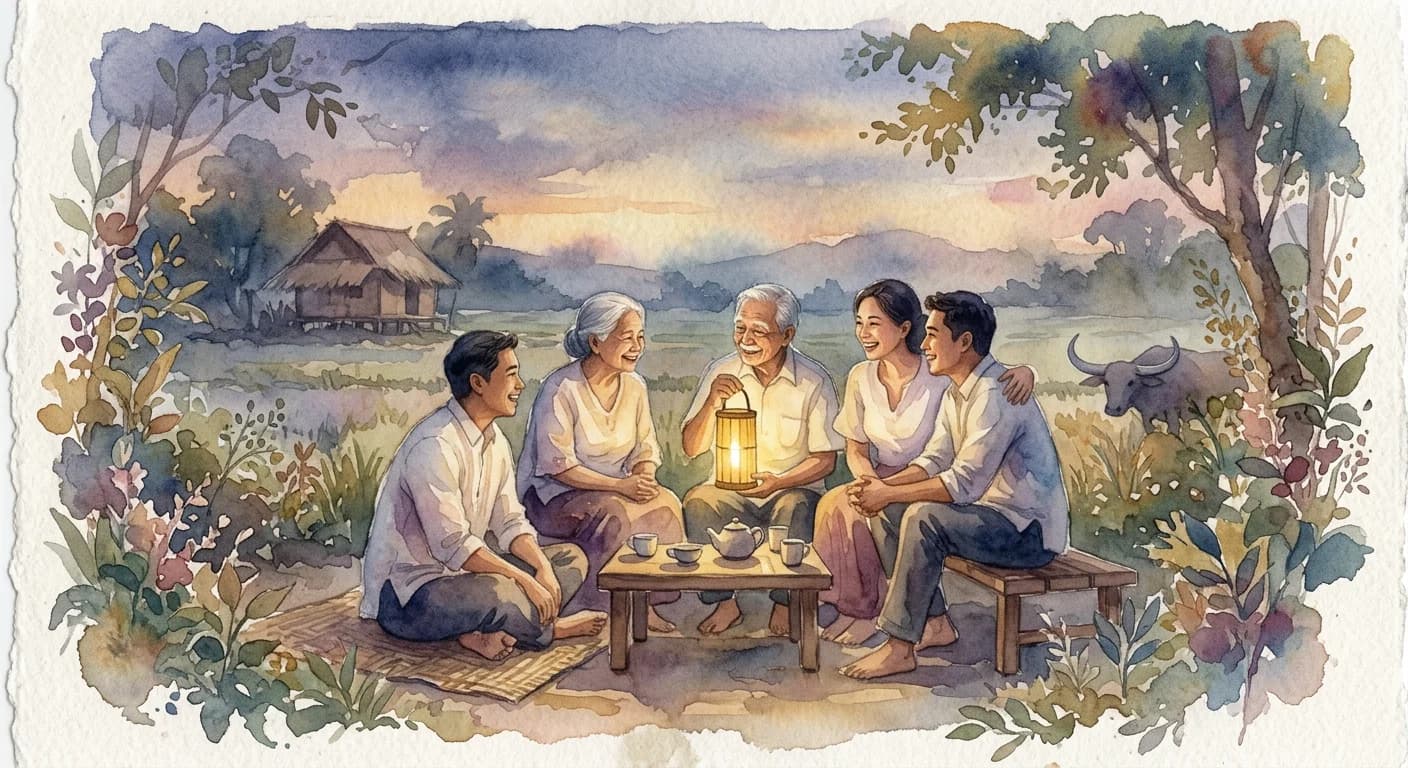
    Artistic representation of Pakikisama
    Filipino•
    🇵🇭Philippines

    Pakikisama

    /pah-kee-kee-SAH-mah/

    Meaning

    Pakikisama is the quintessential Filipino art of fostering deep social harmony and camaraderie, prioritizing group cohesion over individual desires. It's a profound social contract that demands loyalty, respect, and a readiness to extend help and understanding to friends and community, even when inconvenient. This value transcends mere politeness, weaving a strong fabric of mutual obligation and collective identity that is absolutely central to Filipino life, ensuring everyone feels connected and supported.

    Literal Translation

    Going along with

    The Story Behind the Word

    The deep-seated importance of pakikisama stems from the Philippines' historical context as an archipelago of close-knit communities, often facing external challenges and relying heavily on collective survival. In pre-colonial barangays and later under colonial rule, mutual support was not just a virtue but a necessity. This fostered a worldview where individual well-being is inextricably linked to the group's harmony. Pakikisama reflects a collectivist society where maintaining smooth interpersonal relationships (malambing na pakikitungo) is paramount for social stability and personal identity. It's the grease that keeps the social machinery running, ensuring that no one stands alone and that community bonds remain strong and resilient, shaping everything from family gatherings to political alliances.

    Experience It

    Community Project Support

    A neighborhood leader asks for volunteers for a weekend clean-up drive. Even though Maria has other plans, she cancels them to join, knowing her presence contributes to the group's effort and strengthens community ties. This act of setting aside personal convenience for the greater good is a prime example of pakikisama.

    Office Harmony

    During a team meeting, a colleague proposes an idea that isn't ideal but has widespread support. Instead of openly disagreeing and creating tension, Carlos offers constructive suggestions in a non-confrontational way, ensuring the team moves forward united. He prioritizes group morale and avoids ruffling feathers, demonstrating pakikisama.

    The Deeper Meaning

    Pakikisama embodies a philosophy where the self is understood primarily in relation to others and the community. It suggests that true well-being and success are not achieved in isolation but through reciprocal relationships and collective flourishing. This worldview emphasizes interdependence, empathy, and the profound human need for belonging and mutual support as foundational to a meaningful life.

    Did You Know?

    Pakikisama is often taught implicitly from childhood, with parents encouraging children to share, play nicely, and avoid conflict, instilling the value of group harmony early on.

    How It's Used

    Used in everyday social interactions to encourage or describe behavior that prioritizes group harmony and cooperation.

    Emotions
    belonging,gratitude,warmth
    Contexts
    community,family,friendship,work
    🇵🇭Philippines

    by Anya Petrova·Written Mar 10, 2026·Updated Apr 3, 2026

    Related Words

    Explore more
    GezelligDutch

    Gezellig encapsulates a profound sense of warmth, belonging, and convivial comfort, extending beyond mere coziness to embrace the social and emotional atmosphere. It's the feeling of being truly at ease, surrounded by good company, laughter, and a shared sense of contentment. This untranslatable term describes not just a physical space, but a holistic experience where time seems to slow down, fostering genuine connection and a deep sense of well-being.

    SobremesaSpanish

    Sobremesa is the cherished, often extended period immediately following a meal, particularly lunch or dinner, where diners remain seated at the table to enjoy conversation, coffee, and digest not just the food, but the company itself. It’s a dedicated time for unhurried social bonding, storytelling, and shared laughter, transforming a simple meal into a profound communal experience. Far from just clearing the dishes, sobremesa is an integral part of Spanish social life, often lasting for hours.

    Wabi-sabiJapanese

    Wabi-sabi is the profound appreciation for the ephemeral, the imperfect, and the incomplete aspects of existence. It is about discovering beauty in the subtle textures of age, the unique character of flaws, and the gentle decay that marks the passage of time. This philosophy encourages a quiet acceptance of impermanence and a mindful connection to the natural world, finding elegance in simplicity and authenticity.

    IkigaiJapanese

    Ikigai is more than just a reason to get out of bed; it's a deeply personal and evolving sense of purpose that brings genuine fulfillment and joy to one's life. It represents the sweet spot where your passions, talents, needs of the world, and what you can be paid for beautifully converge. Discovering your ikigai often leads to a life lived with intentionality, resilience, and a profound connection to one's contributions. It's the intrinsic motivation that fuels a meaningful existence, regardless of external circumstances.

    Featured in 1 collection

    🤝The Art of Togetherness