U.
HomeRegionsLanguagesEmotionsCollections
Find Your Word

“The limits of my language mean the limits of my world.”

— Ludwig Wittgenstein, Philosopher

Untranslatable

A curated collection of the world's most beautiful expressions—words that remind us language is humanity's greatest invention.

  • Home
  • Collections
  • Regions
  • Countries
  • Emotions
  • Tags
  • Contexts
  • Finder
  • Europe
  • Asia
  • Americas
  • Africa
  • Middle East
  • About
  • Contact
  • Privacy Policy
  • Terms of Service

2026 © Untranslatable. All rights reserved.

    /
    /
    1. Home
    2. /
    3. Asia
    4. /
    5. Ketiban sial
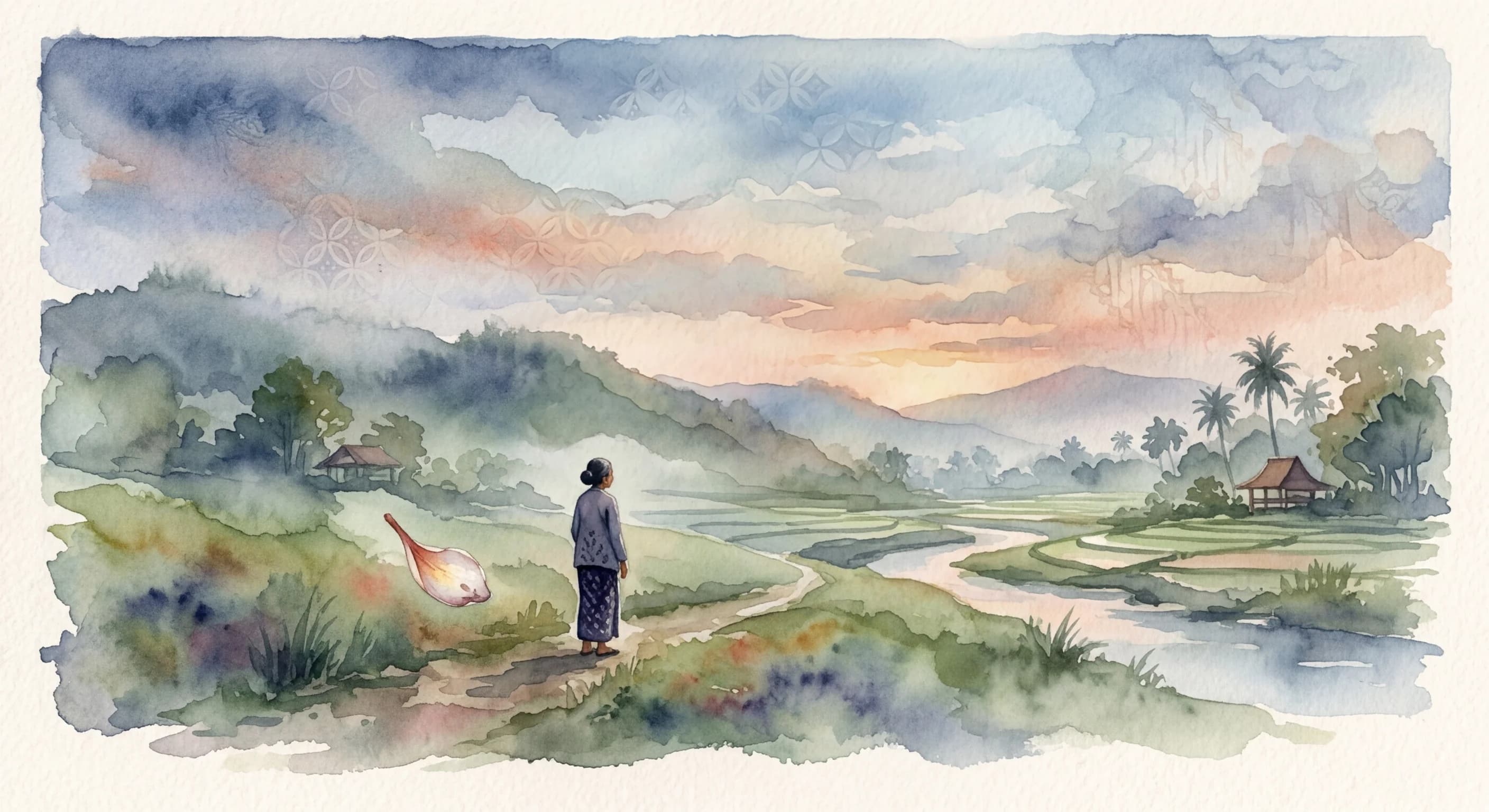
    Artistic representation of Ketiban sial
    Indonesian•
    🇮🇩Indonesia

    Ketiban sial

    /keh-TEE-bahn see-AHL/

    Meaning

    This phrase vividly captures the sudden, almost physical impact of misfortune descending upon an individual. It's more than just a string of bad events; it implies a specific, often undeserved, blow from fate, leaving one feeling helpless and unjustly targeted. 'Ketiban sial' evokes the sensation of having bad luck "fall" directly onto you, like an object from above, disrupting your life unexpectedly and often with significant impact. It's a profound expression of being singled out by adversity.

    Literal Translation

    Fallen upon bad luck

    The Story Behind the Word

    The existence of 'ketiban sial' in Indonesian culture reflects a worldview where external forces, often perceived as spiritual or karmic, play a significant role in one's destiny. While not always religious, it touches upon a collective understanding that life's fortunes can shift abruptly, sometimes without clear reason. This concept is intertwined with traditional beliefs in omens, curses, or even the idea of 'karma' (though not strictly Hindu karma) where past actions or even the actions of others can have repercussions. It highlights a certain fatalism mixed with a strong sense of community empathy for those who are 'struck' by misfortune, acknowledging that sometimes, bad things just happen to good people, seemingly from nowhere. This shared understanding allows for collective commiseration and acceptance of life's unpredictable nature.

    Experience It

    Rainy Day Disaster

    Ahmad had planned his outdoor market stall for weeks. The morning of, the sky opened up with an unprecedented downpour, ruining his merchandise and sending customers scattering. 'Wah, ketiban sial saya hari ini,' he sighed, watching his efforts literally wash away.

    Unlucky Phone Drop

    Siti was rushing to an important meeting, phone in hand. Just as she stepped out of the taxi, it slipped, bounced off the curb, and landed screen-down in a puddle. 'Aduh, ketiban sial!' she exclaimed, knowing her day had just taken a turn for the worse.

    The Deeper Meaning

    This phrase subtly reveals a cultural acceptance of life's inherent unpredictability and the notion that some misfortunes are simply beyond one's control or even comprehension. It suggests a philosophy where fate plays a hand, and while one can strive for good, one is also vulnerable to unexpected, often undeserved, blows. It fosters empathy for those who experience such 'fallen luck,' recognizing that sometimes, the universe just conspires against you.

    Did You Know?

    The imagery of 'ketiban' (to be fallen upon) suggests a pre-modern understanding of misfortune as something external, almost tangible, that can literally strike a person.

    How It's Used

    Used to describe a specific instance of bad luck or misfortune that has just occurred to someone.

    Emotions
    bittersweet,melancholy
    Contexts
    celebration,travel,work
    🇮🇩Indonesia

    by Anya Petrova·Written Mar 10, 2026·Updated Apr 3, 2026

    Related Words

    Explore more
    SaudadePortuguese

    Saudade encapsulates a profound, melancholic longing for something or someone cherished that is absent, often with the bittersweet knowledge that it may never return. It's a deep emotional state tinged with nostalgia, evoking a sense of loss for past experiences, places, or people, yet also holding a tender appreciation for the beauty of what once was. This yearning is not merely sadness, but a complex tapestry of desire, memory, and a poignant acceptance of absence, holding the beloved in a warm, persistent embrace within the heart.

    Wabi-sabiJapanese

    Wabi-sabi is the profound appreciation for the ephemeral, the imperfect, and the incomplete aspects of existence. It is about discovering beauty in the subtle textures of age, the unique character of flaws, and the gentle decay that marks the passage of time. This philosophy encourages a quiet acceptance of impermanence and a mindful connection to the natural world, finding elegance in simplicity and authenticity.

    IkigaiJapanese

    Ikigai is more than just a reason to get out of bed; it's a deeply personal and evolving sense of purpose that brings genuine fulfillment and joy to one's life. It represents the sweet spot where your passions, talents, needs of the world, and what you can be paid for beautifully converge. Discovering your ikigai often leads to a life lived with intentionality, resilience, and a profound connection to one's contributions. It's the intrinsic motivation that fuels a meaningful existence, regardless of external circumstances.

    NunchiKorean

    Nunchi is the sophisticated, almost telepathic, ability to instantly grasp the unspoken dynamics of any social situation, anticipating others' thoughts and feelings, and then responding with impeccable grace and timing. It's an acute form of social intuition, allowing one to navigate complex interpersonal landscapes by reading subtle cues like body language, tone, and context. Possessing good nunchi means effortlessly understanding the underlying emotional currents and adjusting one's behavior to maintain harmony and effectiveness, often without a single word exchanged.