U.
HomeRegionsLanguagesEmotionsCollections
Find Your Word

“The limits of my language mean the limits of my world.”

— Ludwig Wittgenstein, Philosopher

Untranslatable

A curated collection of the world's most beautiful expressions—words that remind us language is humanity's greatest invention.

  • Home
  • Collections
  • Regions
  • Countries
  • Emotions
  • Tags
  • Contexts
  • Finder
  • Europe
  • Asia
  • Americas
  • Africa
  • Middle East
  • About
  • Contact
  • Privacy Policy
  • Terms of Service

2026 © Untranslatable. All rights reserved.

    /
    /
    1. Home
    2. /
    3. Asia
    4. /
    5. Lebay
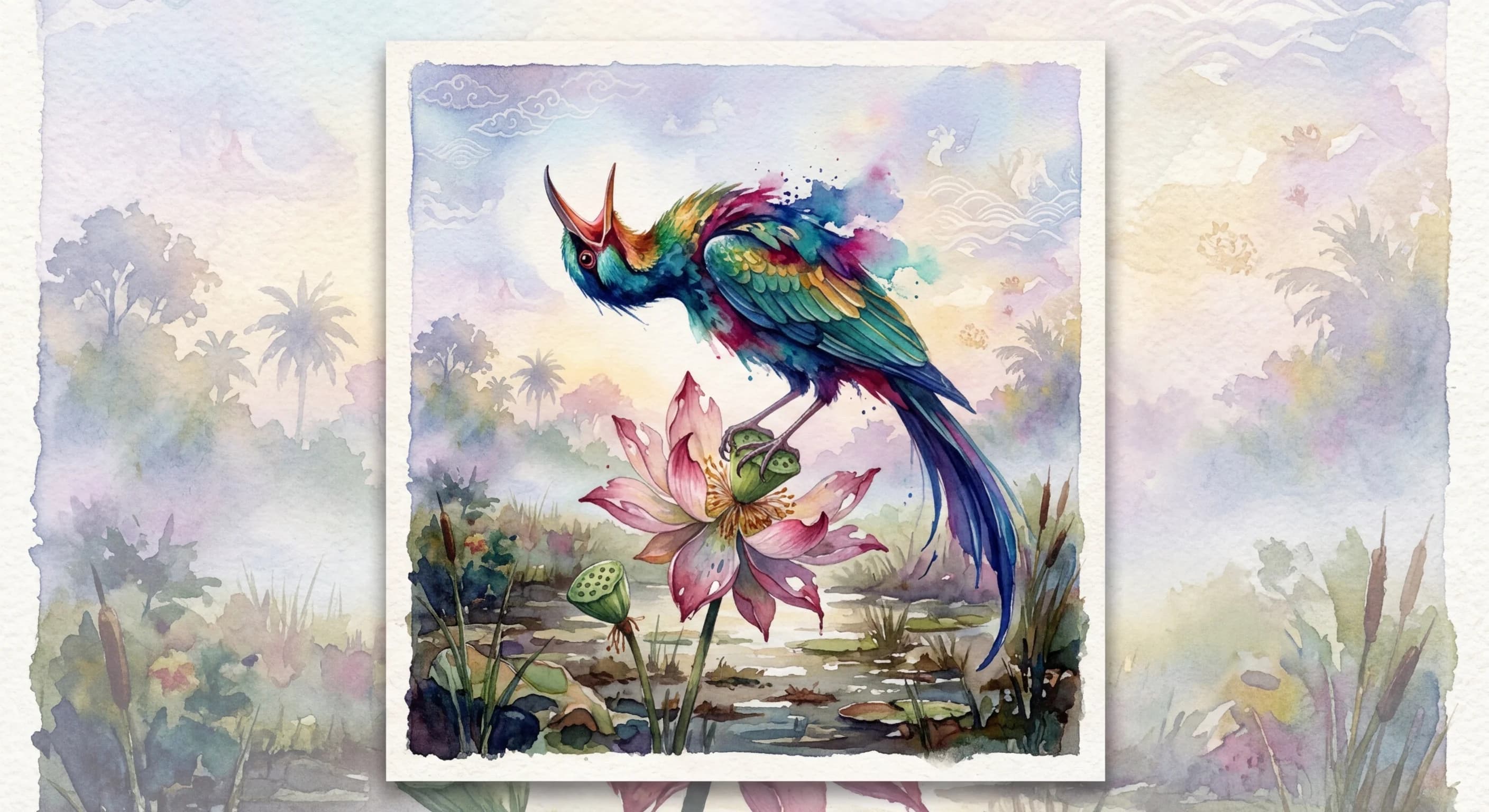
    Artistic representation of Lebay
    Indonesian•
    🇮🇩Indonesia

    Lebay

    /LEH-bai/

    Meaning

    Lebay is a vibrant Indonesian colloquialism describing behavior, speech, or appearance that is excessively dramatic, over-the-top, or overtly performative, often to an embarrassing degree. It captures the essence of trying too hard to impress or evoke strong emotions, leading to a perception of insincerity or a lack of genuine feeling. The term highlights a social discomfort with ostentatious displays, suggesting that authenticity is valued over exaggerated showmanship, particularly when it feels manufactured.

    Literal Translation

    N/A (colloquial term)

    The Story Behind the Word

    The concept of 'lebay' is deeply rooted in Indonesian social dynamics, where harmony (rukun) and maintaining face (jaga muka) are paramount. Overt emotional displays or overly dramatic actions can disrupt this delicate balance, drawing unwanted attention and potentially causing discomfort. 'Lebay' serves as a gentle, often humorous, social correction, a way to signal that someone is deviating from the unspoken norms of understated sincerity. It reflects a cultural preference for modesty and a collective unease with individual theatricality that feels disingenuous, emphasizing community propriety over individualistic flamboyance. The word's prevalence underscores a society that values subtlety and genuine connection over superficial grandiosity.

    Experience It

    Social Media Drama

    After a minor disagreement, Rina posted a lengthy, heart-wrenching status update on Facebook, complete with crying emojis and vague allusions to betrayal. Her friends in the comments section privately messaged each other, remarking, 'Duh, Rina itu lebay banget, deh!' (Ugh, Rina is so lebay!).

    Birthday Extravaganza

    For his 15th birthday, David insisted on arriving at his party in a rented limousine, wearing a sequined suit, and having a smoke machine for his entrance. His cousins exchanged glances and one whispered, 'Wah, David lebay banget, ya!' (Wow, David is so lebay!).

    The Deeper Meaning

    The existence of 'lebay' reveals a cultural emphasis on authenticity and social appropriateness. It suggests a collective understanding that genuine emotion and appropriate behavior are preferable to performative displays. This word acts as a subtle guardian of social equilibrium, reflecting a worldview where humility and sincerity are valued, and excessive self-aggrandizement or manufactured drama is met with mild disapproval, fostering a culture of understated grace.

    Did You Know?

    While 'lebay' often implies negativity, it can sometimes be used endearingly among close friends, acknowledging an exaggerated personality trait with a hint of affection.

    How It's Used

    Used informally in everyday conversation to comment on someone's exaggerated behavior, speech, or actions, often with a tone of mild amusement or disdain.

    Emotions
    anger,joy
    Contexts
    daily life,social interaction
    🇮🇩Indonesia

    by Annelise Dubois·Written Mar 10, 2026·Updated Apr 3, 2026

    Related Words

    Explore more
    Wabi-sabiJapanese

    Wabi-sabi is the profound appreciation for the ephemeral, the imperfect, and the incomplete aspects of existence. It is about discovering beauty in the subtle textures of age, the unique character of flaws, and the gentle decay that marks the passage of time. This philosophy encourages a quiet acceptance of impermanence and a mindful connection to the natural world, finding elegance in simplicity and authenticity.

    IkigaiJapanese

    Ikigai is more than just a reason to get out of bed; it's a deeply personal and evolving sense of purpose that brings genuine fulfillment and joy to one's life. It represents the sweet spot where your passions, talents, needs of the world, and what you can be paid for beautifully converge. Discovering your ikigai often leads to a life lived with intentionality, resilience, and a profound connection to one's contributions. It's the intrinsic motivation that fuels a meaningful existence, regardless of external circumstances.

    NunchiKorean

    Nunchi is the sophisticated, almost telepathic, ability to instantly grasp the unspoken dynamics of any social situation, anticipating others' thoughts and feelings, and then responding with impeccable grace and timing. It's an acute form of social intuition, allowing one to navigate complex interpersonal landscapes by reading subtle cues like body language, tone, and context. Possessing good nunchi means effortlessly understanding the underlying emotional currents and adjusting one's behavior to maintain harmony and effectiveness, often without a single word exchanged.

    JugaadHindi

    Jugaad is more than just a quick fix; it embodies the spirit of resourceful, ingenious improvisation in the face of scarcity or systemic challenges. It's the art of bending rules, repurposing materials, and thinking outside the box to achieve a desired outcome, often with limited financial or technological resources. This approach celebrates clever workarounds and innovative adaptations, turning constraints into catalysts for creative problem-solving. It's about making do and making something work, brilliantly.

    Featured in 1 collection

    😄Humor Across Cultures