U.
HomeRegionsLanguagesEmotionsCollections
Find Your Word

“The limits of my language mean the limits of my world.”

— Ludwig Wittgenstein, Philosopher

Untranslatable

A curated collection of the world's most beautiful expressions—words that remind us language is humanity's greatest invention.

  • Home
  • Collections
  • Regions
  • Countries
  • Emotions
  • Tags
  • Contexts
  • Finder
  • Europe
  • Asia
  • Americas
  • Africa
  • Middle East
  • About
  • Contact
  • Privacy Policy
  • Terms of Service

2026 © Untranslatable. All rights reserved.

    /
    /
    1. Home
    2. /
    3. Asia
    4. /
    5. Melempem
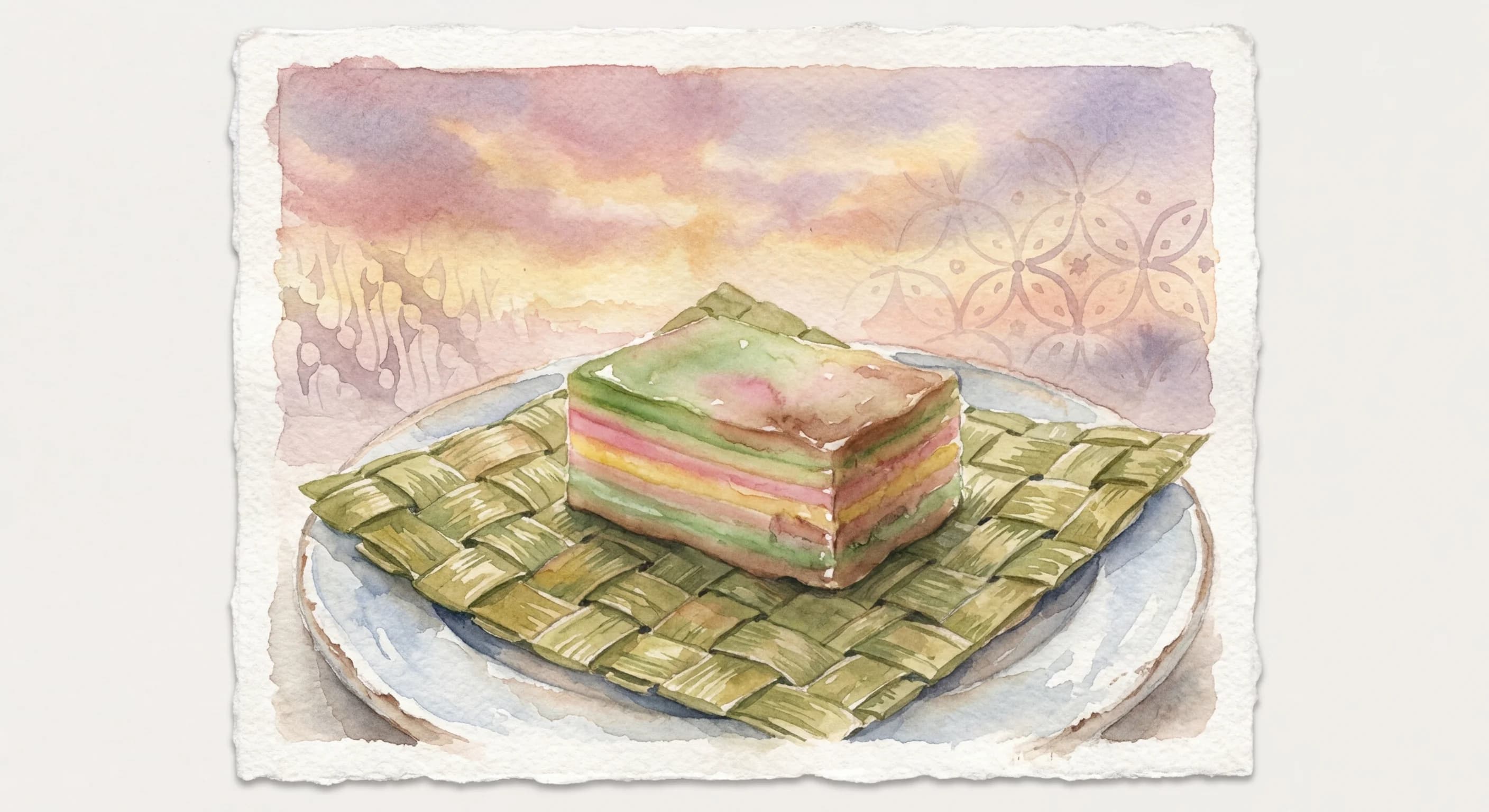
    Artistic representation of Melempem
    Indonesian•
    🇮🇩Indonesia

    Melempem

    /muh-LEM-pem/

    Meaning

    Melempem vividly captures the disappointing transformation of a once-crisp food item into a soft, chewy, or sadly soggy state. It's the moment a crunchy cracker succumbs to humidity, a beloved fried snack loses its satisfying bite, or a biscuit becomes limp from air exposure. This word encapsulates not just a textural change, but a profound loss of culinary integrity, signaling a decline from peak enjoyment and a minor gastronomic tragedy.

    Literal Translation

    To become soft/soggy (often referring to food)

    The Story Behind the Word

    The existence of 'melempem' reflects Indonesia's tropical climate, where high humidity is a constant battle for food preservation. In a culture where street food, snacks (kue-kue), and communal eating are central, maintaining the desired texture of food is paramount to its enjoyment. The rapid onset of 'melempem' in many local delicacies, from krupuk (crackers) to fried bananas, means that freshness and proper storage are highly valued. This word highlights a collective understanding of food's vulnerability and the subtle disappointment when a treat doesn't live up to its fresh, intended state, underscoring a practical and aesthetic appreciation for proper food quality.

    Experience It

    Sad Kerupuk

    After leaving the bag of kerupuk open overnight, Budi reached for a midnight snack. Instead of the usual satisfying crunch, he found them soft and pliable. 'Ah, sudah melempem,' he sighed, tossing them aside in disappointment.

    Forgotten Biscuits

    Anya offered her friend a biscuit, but as she picked it up, she noticed it felt strangely soft. 'Maaf ya, sepertinya biskuit ini sudah melempem,' she apologized, realizing they had been left out of their airtight container for too long.

    The Deeper Meaning

    Beyond food, 'melempem' subtly reflects a broader Indonesian sensibility towards fleeting perfection and the inevitability of decline. Just as a once-crisp snack loses its prime, the word can metaphorically hint at a loss of vigor, enthusiasm, or sharpness in non-food contexts, suggesting a resignation to the natural course of things losing their initial zest or effectiveness over time.

    Did You Know?

    The concept of 'melempem' is so ingrained that Indonesians often have specific airtight containers or methods to prevent snacks from becoming soft, demonstrating a national effort to combat this culinary nemesis.

    How It's Used

    Used to describe food items that have lost their desirable crispiness and become soft or soggy, often due to exposure to air or moisture.

    Emotion
    melancholy
    Context
    dining
    🇮🇩Indonesia

    by Anya Petrova·Written Mar 10, 2026·Updated Apr 3, 2026

    Related Words

    Explore more
    SaudadePortuguese

    Saudade encapsulates a profound, melancholic longing for something or someone cherished that is absent, often with the bittersweet knowledge that it may never return. It's a deep emotional state tinged with nostalgia, evoking a sense of loss for past experiences, places, or people, yet also holding a tender appreciation for the beauty of what once was. This yearning is not merely sadness, but a complex tapestry of desire, memory, and a poignant acceptance of absence, holding the beloved in a warm, persistent embrace within the heart.

    Wabi-sabiJapanese

    Wabi-sabi is the profound appreciation for the ephemeral, the imperfect, and the incomplete aspects of existence. It is about discovering beauty in the subtle textures of age, the unique character of flaws, and the gentle decay that marks the passage of time. This philosophy encourages a quiet acceptance of impermanence and a mindful connection to the natural world, finding elegance in simplicity and authenticity.

    IkigaiJapanese

    Ikigai is more than just a reason to get out of bed; it's a deeply personal and evolving sense of purpose that brings genuine fulfillment and joy to one's life. It represents the sweet spot where your passions, talents, needs of the world, and what you can be paid for beautifully converge. Discovering your ikigai often leads to a life lived with intentionality, resilience, and a profound connection to one's contributions. It's the intrinsic motivation that fuels a meaningful existence, regardless of external circumstances.

    NunchiKorean

    Nunchi is the sophisticated, almost telepathic, ability to instantly grasp the unspoken dynamics of any social situation, anticipating others' thoughts and feelings, and then responding with impeccable grace and timing. It's an acute form of social intuition, allowing one to navigate complex interpersonal landscapes by reading subtle cues like body language, tone, and context. Possessing good nunchi means effortlessly understanding the underlying emotional currents and adjusting one's behavior to maintain harmony and effectiveness, often without a single word exchanged.

    Featured in 1 collection

    🍲Culinary Comforts