U.
HomeRegionsLanguagesEmotionsCollections
Find Your Word

“The limits of my language mean the limits of my world.”

— Ludwig Wittgenstein, Philosopher

Untranslatable

A curated collection of the world's most beautiful expressions—words that remind us language is humanity's greatest invention.

  • Home
  • Collections
  • Regions
  • Countries
  • Emotions
  • Tags
  • Contexts
  • Finder
  • Europe
  • Asia
  • Americas
  • Africa
  • Middle East
  • About
  • Contact
  • Privacy Policy
  • Terms of Service

2026 © Untranslatable. All rights reserved.

    /
    /
    1. Home
    2. /
    3. Asia
    4. /
    5. Wang
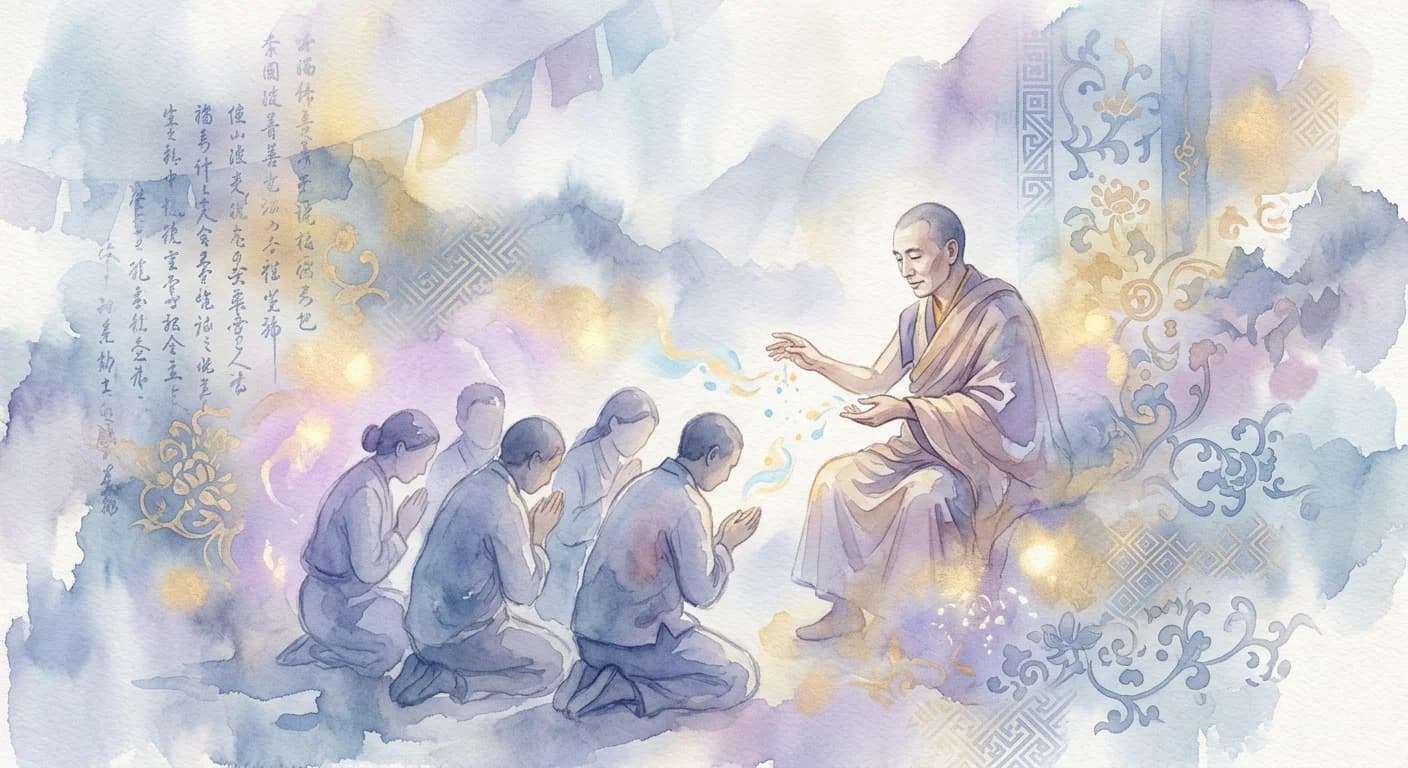
    Artistic representation of wang
    Tibetan•
    🇨🇳China

    Wang

    /wahng/

    Meaning

    In Tibetan Buddhism, 'wang' is far more than a simple blessing; it's a sacred ritual of spiritual empowerment and initiation, a profound transmission of energy and wisdom directly from a qualified lama to their disciples. This potent ceremony bestows the authentic spiritual authority and inherent capacity to engage with specific deity practices or tantric traditions, unlocking the practitioner's potential. It signifies a deep, personal commitment to a transformative spiritual path, embodying the direct lineage of teachings and awakening profound inner resources.

    Literal Translation

    empowerment, initiation, blessing

    The Story Behind the Word

    The concept of 'wang' is foundational to Vajrayana Buddhism, the predominant form in Tibet. Its existence underscores the belief in the direct transmission of spiritual power and blessings, not merely intellectual understanding. It reflects a worldview where spiritual progress is facilitated through a living lineage of enlightened masters, and where the physical presence and intention of a lama can directly awaken spiritual capacities within a student. This ritualistic approach emphasizes the interconnectedness of teacher and student, and the sacredness of the tantric path, which is considered too potent and potentially dangerous to embark upon without proper authorization and guidance. The 'wang' thus serves as a gateway to esoteric practices, ensuring their integrity and efficacy.

    Experience It

    Receiving a Deity Wang

    A group of devoted practitioners gathers in a monastery, their hearts filled with anticipation. The venerable Rinpoche, with ancient chants and symbolic gestures, performs the 'wang' for Green Tara, formally initiating them into her practice and bestowing the blessings needed to connect with her enlightened qualities.

    Empowerment for Retreat

    Before embarking on a long solitary retreat focused on a complex tantric meditation, a monk seeks a specific 'wang' from his root guru. This empowerment provides the necessary spiritual authority and energetic connection, ensuring the practice undertaken will be authentic and fruitful.

    The Deeper Meaning

    The 'wang' reveals a core Buddhist philosophy: that enlightenment is not achieved in isolation but through interconnectedness and lineage. It emphasizes the concept of 'buddha-nature' inherent in all beings, which can be awakened and actualized through the direct transmission of wisdom and energy from an enlightened teacher. This highlights a holistic view of spiritual development, integrating ritual, lineage, and personal commitment.

    Did You Know?

    Some 'wangs' are so potent and rare that they are only given once in a generation, attracting thousands of pilgrims from across the Himalayan region.

    How It's Used

    Typically used within the context of Tibetan Buddhist teachings and ceremonies, often preceding a meditation or practice session.

    Emotions
    belonging,gratitude,peace,wonder
    Contexts
    celebration,greeting,religion
    🇨🇳China

    by Sofia Rossi·Written Mar 10, 2026·Updated Mar 27, 2026

    Related Words

    Explore more
    Dolce far nienteItalian

    Dolce far niente captures the profound joy and effortless pleasure derived from simply existing without obligation or purpose. It's the art of savoring moments of pure, unadulterated idleness – lying in the sun, watching the clouds drift, or enjoying a leisurely coffee – not as a break from work, but as a valuable state in itself. This 'sweetness of doing nothing' is a conscious embrace of stillness and contentment, allowing the soul to breathe and the senses to fully engage with the present.

    SobremesaSpanish

    Sobremesa is the cherished, often extended period immediately following a meal, particularly lunch or dinner, where diners remain seated at the table to enjoy conversation, coffee, and digest not just the food, but the company itself. It’s a dedicated time for unhurried social bonding, storytelling, and shared laughter, transforming a simple meal into a profound communal experience. Far from just clearing the dishes, sobremesa is an integral part of Spanish social life, often lasting for hours.

    Wabi-sabiJapanese

    Wabi-sabi is the profound appreciation for the ephemeral, the imperfect, and the incomplete aspects of existence. It is about discovering beauty in the subtle textures of age, the unique character of flaws, and the gentle decay that marks the passage of time. This philosophy encourages a quiet acceptance of impermanence and a mindful connection to the natural world, finding elegance in simplicity and authenticity.

    IkigaiJapanese

    Ikigai is more than just a reason to get out of bed; it's a deeply personal and evolving sense of purpose that brings genuine fulfillment and joy to one's life. It represents the sweet spot where your passions, talents, needs of the world, and what you can be paid for beautifully converge. Discovering your ikigai often leads to a life lived with intentionality, resilience, and a profound connection to one's contributions. It's the intrinsic motivation that fuels a meaningful existence, regardless of external circumstances.