U.
HomeRegionsLanguagesEmotionsCollections
Find Your Word

“The limits of my language mean the limits of my world.”

— Ludwig Wittgenstein, Philosopher

Untranslatable

A curated collection of the world's most beautiful expressions—words that remind us language is humanity's greatest invention.

  • Home
  • Collections
  • Regions
  • Countries
  • Emotions
  • Tags
  • Contexts
  • Finder
  • Europe
  • Asia
  • Americas
  • Africa
  • Middle East
  • About
  • Contact
  • Privacy Policy
  • Terms of Service

2026 © Untranslatable. All rights reserved.

    /
    /
    1. Home
    2. /
    3. Asia
    4. /
    5. Bodhicitta
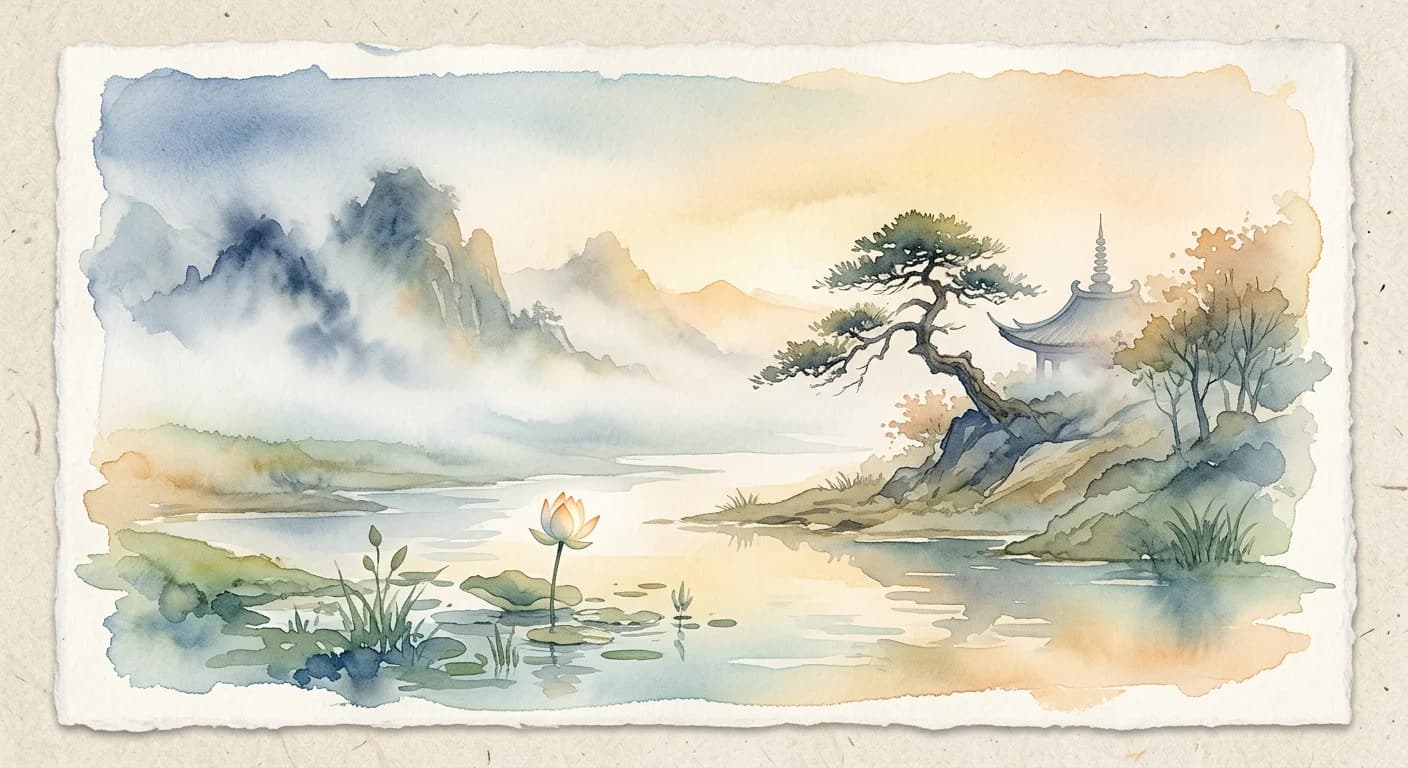
    Artistic representation of bodhicitta
    Sanskrit•
    🇧🇹Bhutan🇨🇳China🇮🇳India🇲🇳Mongolia🇳🇵Nepal

    Bodhicitta

    /BOH-dee-CHIT-tah/

    Meaning

    Bodhicitta is the awakened heart-mind, a profound spiritual state where the practitioner cultivates an unwavering aspiration to achieve enlightenment not solely for personal liberation, but for the boundless benefit of all sentient beings. It is the spontaneous wellspring of altruistic compassion, a universal love that fuels the entire Mahayana Buddhist path. This inner resolve transforms the individual, guiding them towards wisdom and skillful means, making it the very essence of an enlightened existence.

    Literal Translation

    awakening-mind

    The Story Behind the Word

    The concept of bodhicitta emerged and flourished within Mahayana Buddhism, particularly as it developed and spread through India, Central Asia, and eventually into China. Its existence reflects a profound shift from earlier Buddhist traditions that often emphasized individual liberation (arhatship) towards a path dedicated to universal salvation (buddhahood). This word encapsulates the Mahayana ideal of the bodhisattva – one who postpones their own nirvana out of infinite compassion to help others. In Chinese Buddhism, this ideal resonated deeply, influencing not only monastic practice but also lay ethics, emphasizing communal well-being and interconnectedness. It reveals a worldview where individual spiritual progress is inextricably linked to the welfare of all, fostering a sense of shared responsibility for alleviating suffering in the world.

    Experience It

    A Monk's Daily Vow

    Every morning, before beginning his meditation, the old monk would softly recite his vows. He wasn't just seeking peace for himself; his deepest wish was that his practice would generate merit to relieve the suffering of every being, from the smallest insect to the most troubled human. This was his bodhicitta guiding his day.

    Community Service Project

    A group of lay practitioners spent their weekend cleaning a polluted local river, not out of obligation, but from a genuine desire to protect the environment for all creatures and future generations. Their tireless efforts, fueled by a deep sense of interconnectedness and universal care, were a practical expression of bodhicitta.

    The Deeper Meaning

    Bodhicitta reveals a philosophy rooted in radical interconnectedness and the inherent potential for awakening within all beings. It challenges anthropocentric views by extending compassion to all sentient life and reframes individual spiritual pursuit not as an escape from the world, but as an active engagement with it for the collective good. It posits that true liberation is found not in isolation, but in the boundless embrace of others' well-being.

    Did You Know?

    The cultivation of bodhicitta is often described as 'opening the heart-mind,' and some traditions even visualize it as a lotus flower blossoming within the heart, symbolizing purity and compassion.

    How It's Used

    Used in spiritual and philosophical contexts within Buddhism, particularly Mahayana traditions, to describe the enlightened mind and the motivation for spiritual practice.

    Emotions
    compassion,gratitude,hope,serenity
    Contexts
    meditation,philosophy,spirituality
    🇧🇹Bhutan🇨🇳China🇮🇳India🇲🇳Mongolia🇳🇵Nepal

    by Anya Petrova·Written Mar 10, 2026·Updated Apr 3, 2026

    Related Words

    Explore more
    Wabi-sabiJapanese

    Wabi-sabi is the profound appreciation for the ephemeral, the imperfect, and the incomplete aspects of existence. It is about discovering beauty in the subtle textures of age, the unique character of flaws, and the gentle decay that marks the passage of time. This philosophy encourages a quiet acceptance of impermanence and a mindful connection to the natural world, finding elegance in simplicity and authenticity.

    IkigaiJapanese

    Ikigai is more than just a reason to get out of bed; it's a deeply personal and evolving sense of purpose that brings genuine fulfillment and joy to one's life. It represents the sweet spot where your passions, talents, needs of the world, and what you can be paid for beautifully converge. Discovering your ikigai often leads to a life lived with intentionality, resilience, and a profound connection to one's contributions. It's the intrinsic motivation that fuels a meaningful existence, regardless of external circumstances.

    NunchiKorean

    Nunchi is the sophisticated, almost telepathic, ability to instantly grasp the unspoken dynamics of any social situation, anticipating others' thoughts and feelings, and then responding with impeccable grace and timing. It's an acute form of social intuition, allowing one to navigate complex interpersonal landscapes by reading subtle cues like body language, tone, and context. Possessing good nunchi means effortlessly understanding the underlying emotional currents and adjusting one's behavior to maintain harmony and effectiveness, often without a single word exchanged.

    JugaadHindi

    Jugaad is more than just a quick fix; it embodies the spirit of resourceful, ingenious improvisation in the face of scarcity or systemic challenges. It's the art of bending rules, repurposing materials, and thinking outside the box to achieve a desired outcome, often with limited financial or technological resources. This approach celebrates clever workarounds and innovative adaptations, turning constraints into catalysts for creative problem-solving. It's about making do and making something work, brilliantly.

    Featured in 2 collections

    🎌Japanese Philosophy🌌Existential Echoes