U.
HomeRegionsLanguagesEmotionsCollections
Find Your Word

“The limits of my language mean the limits of my world.”

— Ludwig Wittgenstein, Philosopher

Untranslatable

A curated collection of the world's most beautiful expressions—words that remind us language is humanity's greatest invention.

  • Home
  • Collections
  • Regions
  • Countries
  • Emotions
  • Tags
  • Contexts
  • Finder
  • Europe
  • Asia
  • Americas
  • Africa
  • Middle East
  • About
  • Contact
  • Privacy Policy
  • Terms of Service

2026 © Untranslatable. All rights reserved.

    /
    /
    1. Home
    2. /
    3. Asia
    4. /
    5. Geshe
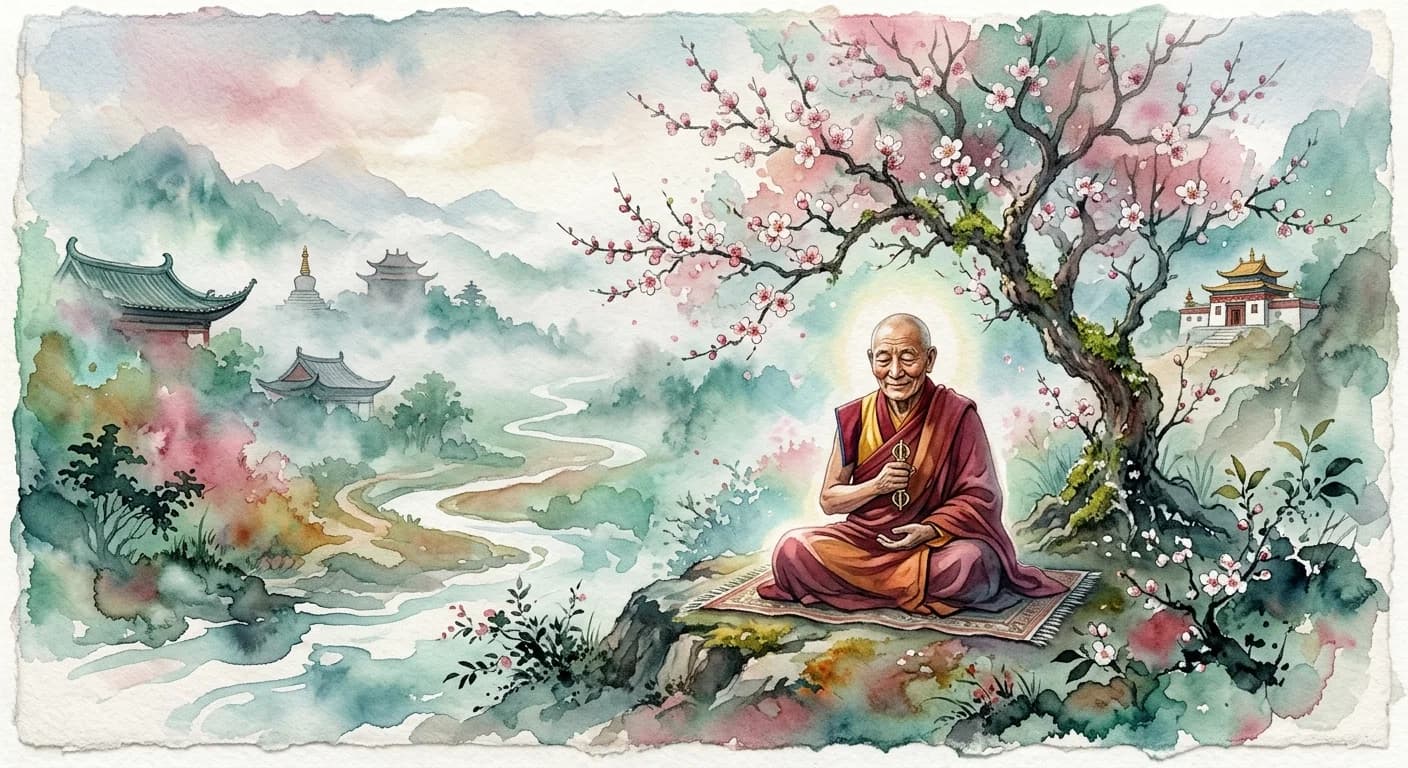
    Artistic representation of geshe
    Tibetan•
    🇨🇳China

    Geshe

    /GHAY-shay/

    Meaning

    A "geshe" is a revered spiritual title in Tibetan Buddhism, denoting a monk who has navigated decades of rigorous philosophical study, intense debate, and profound meditative practice. It signifies not merely an intellectual grasp of complex Buddhist doctrines, but a deep cultivation of wisdom, boundless compassion, and impeccable ethical conduct. The journey to becoming a geshe is a transformative path, embodying the ideal of a learned and compassionate spiritual guide dedicated to the enlightenment of all beings.

    Literal Translation

    virtue friend

    The Story Behind the Word

    The concept of 'geshe' is deeply intertwined with the monastic education system of Tibetan Buddhism, which emphasizes dialectical debate and comprehensive textual study as primary means to wisdom. The term itself, literally 'virtue friend,' underscores the Mahayana Buddhist ideal of the 'kalyanamitra' – a spiritual mentor who guides others towards liberation. This title reflects a culture that places immense value on intellectual rigor, ethical purity, and the compassionate dissemination of knowledge. It reveals a worldview where spiritual progress is achieved through diligent study, critical inquiry, and an unwavering commitment to the welfare of all sentient beings, positioning learned monastics as pillars of society and spiritual exemplars.

    Experience It

    Seeking Spiritual Counsel

    A young lay practitioner, troubled by a difficult ethical dilemma, journeyed to the monastery. He sought the wisdom of Geshe Lobsang, known for his profound understanding of karma and ethics, hoping for guidance that would illuminate his path with compassion and clarity.

    Observing a Debate

    In the monastery courtyard, a crowd gathered to witness a philosophical debate. A senior monk, a newly recognized Geshe Tenzin, skillfully parried complex arguments from his opponent, demonstrating not only encyclopedic knowledge but also a sharp, compassionate intellect.

    The Deeper Meaning

    The 'geshe' title embodies the Buddhist ideal of 'prajna' (wisdom) and 'karuna' (compassion) inextricably linked. It suggests that true wisdom is not merely intellectual accumulation but a lived understanding that naturally fosters profound empathy and ethical behavior. The rigorous path reflects a belief that enlightenment is accessible through diligent effort, disciplined study, and a compassionate orientation towards the world, emphasizing inner transformation as the ultimate goal.

    Did You Know?

    The highest Geshe degree, the Geshe Lharampa, is incredibly difficult to attain, often taking over 20 years of study and requiring successful debate before the Dalai Lama and other high lamas.

    How It's Used

    Used as a title for learned monks in Tibetan Buddhism, often preceding their name.

    Emotions
    gratitude,serenity
    Contexts
    education,religion,spirituality
    🇨🇳China

    by Annelise Dubois·Written Mar 10, 2026·Updated Apr 3, 2026

    Related Words

    Explore more
    Wabi-sabiJapanese

    Wabi-sabi is the profound appreciation for the ephemeral, the imperfect, and the incomplete aspects of existence. It is about discovering beauty in the subtle textures of age, the unique character of flaws, and the gentle decay that marks the passage of time. This philosophy encourages a quiet acceptance of impermanence and a mindful connection to the natural world, finding elegance in simplicity and authenticity.

    IkigaiJapanese

    Ikigai is more than just a reason to get out of bed; it's a deeply personal and evolving sense of purpose that brings genuine fulfillment and joy to one's life. It represents the sweet spot where your passions, talents, needs of the world, and what you can be paid for beautifully converge. Discovering your ikigai often leads to a life lived with intentionality, resilience, and a profound connection to one's contributions. It's the intrinsic motivation that fuels a meaningful existence, regardless of external circumstances.

    NunchiKorean

    Nunchi is the sophisticated, almost telepathic, ability to instantly grasp the unspoken dynamics of any social situation, anticipating others' thoughts and feelings, and then responding with impeccable grace and timing. It's an acute form of social intuition, allowing one to navigate complex interpersonal landscapes by reading subtle cues like body language, tone, and context. Possessing good nunchi means effortlessly understanding the underlying emotional currents and adjusting one's behavior to maintain harmony and effectiveness, often without a single word exchanged.

    JugaadHindi

    Jugaad is more than just a quick fix; it embodies the spirit of resourceful, ingenious improvisation in the face of scarcity or systemic challenges. It's the art of bending rules, repurposing materials, and thinking outside the box to achieve a desired outcome, often with limited financial or technological resources. This approach celebrates clever workarounds and innovative adaptations, turning constraints into catalysts for creative problem-solving. It's about making do and making something work, brilliantly.