U.
HomeRegionsLanguagesEmotionsCollections
Find Your Word

“The limits of my language mean the limits of my world.”

— Ludwig Wittgenstein, Philosopher

Untranslatable

A curated collection of the world's most beautiful expressions—words that remind us language is humanity's greatest invention.

  • Home
  • Collections
  • Regions
  • Countries
  • Emotions
  • Tags
  • Contexts
  • Finder
  • Europe
  • Asia
  • Americas
  • Africa
  • Middle East
  • About
  • Contact
  • Privacy Policy
  • Terms of Service

2026 © Untranslatable. All rights reserved.

    /
    /
    1. Home
    2. /
    3. Asia
    4. /
    5. Kye rim
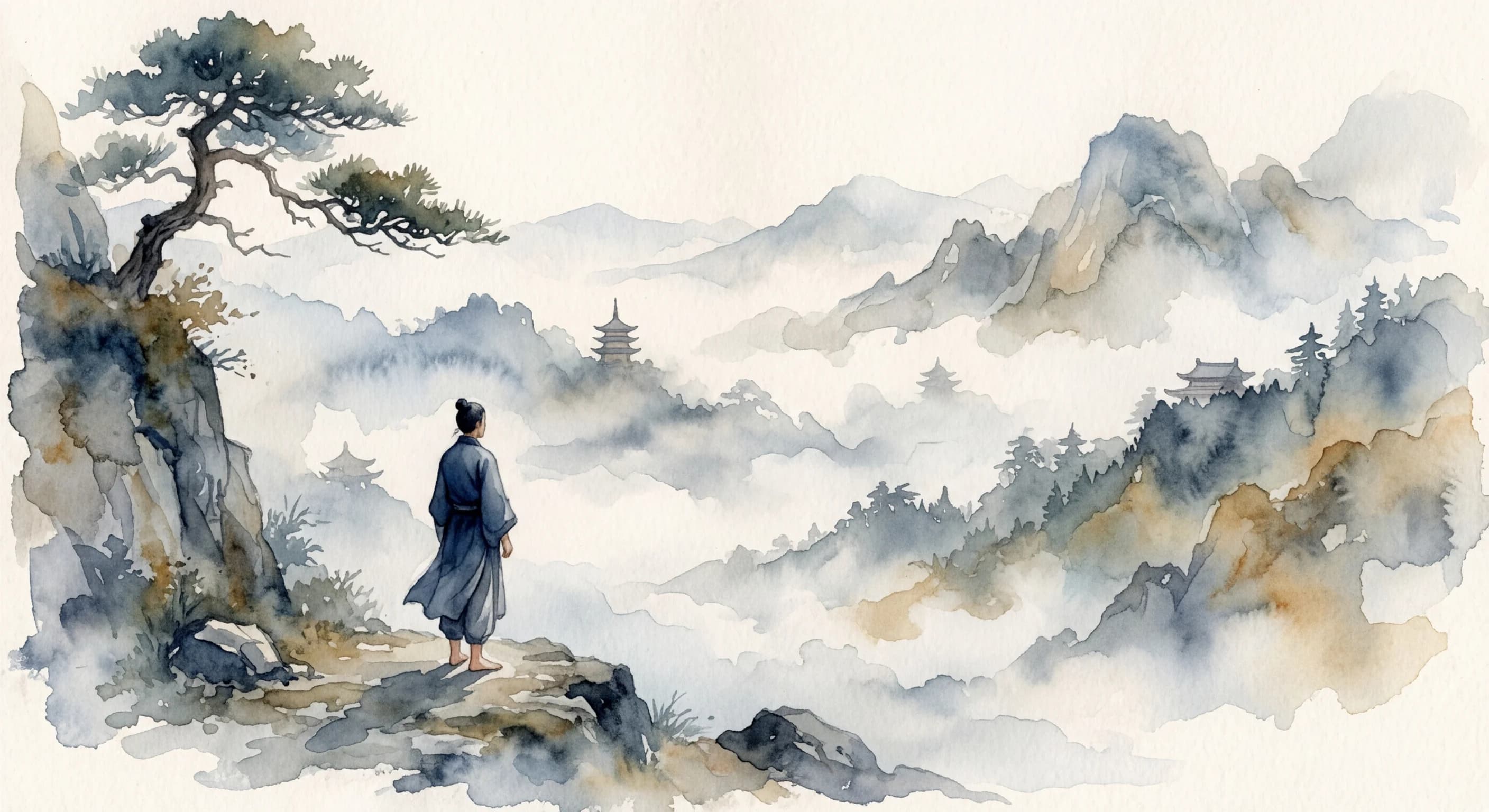
    Artistic representation of kye rim
    Tibetan•
    🇨🇳China

    Kye rim

    /KYE-rim/

    Meaning

    Kye rim encapsulates a profound, melancholic yearning for a past that is forever beyond reach, transcending mere nostalgia. It's a spiritual ache for lost opportunities, cherished individuals, or an entire way of life that has irrevocably vanished, often intensified by the Tibetan Buddhist understanding of impermanence. This deep sense of regret is not just for what is gone, but for the fundamental truth that all existence is transient, making the poignancy of loss acutely felt and deeply spiritual.

    Literal Translation

    The literal translation is complex and debated, but often broken down into elements related to 'life' or 'existence' (kye) and 'descent', 'loss', or 'past' (rim).

    The Story Behind the Word

    The existence of 'kye rim' is deeply rooted in Tibetan Buddhist philosophy, particularly the doctrines of impermanence (anicca) and suffering (dukkha). In a culture that has faced profound political and social upheaval, the loss of a traditional way of life, sacred sites, and community connections is not merely historical; it's a living, collective grief. 'Kye rim' allows for the expression of this collective and individual sorrow, acknowledging the beauty of what was while accepting its transient nature. It highlights a worldview where loss is an inherent part of existence, and true wisdom involves confronting this reality rather than denying it. The word also reflects the importance of memory and the past in shaping identity, even as one moves forward.

    Experience It

    Lost Monastery's Echo

    An elderly monk revisits the ruins of his childhood monastery, now just crumbling stones. He feels a deep 'kye rim' for the chants that once filled the air, the faces of his teachers, and the spiritual path that once thrived there, knowing those moments are forever gone.

    Childhood Homeland

    A Tibetan émigré looks at old photographs of their village before exile. A wave of 'kye rim' washes over them, a profound longing for the familiar mountains, the community's laughter, and the simple, unbroken rhythm of life that can never be reclaimed.

    The Deeper Meaning

    Kye rim reveals a profound philosophical acceptance of impermanence as a fundamental truth of existence. It demonstrates that sorrow and longing are not weaknesses but natural responses to loss, especially when filtered through a spiritual lens that recognizes the transient nature of all phenomena. This word encourages a contemplative engagement with the past, not to dwell in despair, but to understand the flow of life and death, and to find meaning within that cycle.

    Did You Know?

    While often melancholic, 'kye rim' can also inspire compassion and a deeper appreciation for the present, as its understanding of impermanence encourages cherishing what is now.

    How It's Used

    Used to express a deep, often melancholic, feeling of regret and longing for something irrevocably lost from the past.

    Emotions
    bittersweet,longing,melancholy
    Contexts
    farewell,seasons
    🇨🇳China

    by Dr. Kenji Tanaka·Written Mar 10, 2026·Updated Apr 3, 2026

    Related Words

    Explore more
    SaudadePortuguese

    Saudade encapsulates a profound, melancholic longing for something or someone cherished that is absent, often with the bittersweet knowledge that it may never return. It's a deep emotional state tinged with nostalgia, evoking a sense of loss for past experiences, places, or people, yet also holding a tender appreciation for the beauty of what once was. This yearning is not merely sadness, but a complex tapestry of desire, memory, and a poignant acceptance of absence, holding the beloved in a warm, persistent embrace within the heart.

    Wabi-sabiJapanese

    Wabi-sabi is the profound appreciation for the ephemeral, the imperfect, and the incomplete aspects of existence. It is about discovering beauty in the subtle textures of age, the unique character of flaws, and the gentle decay that marks the passage of time. This philosophy encourages a quiet acceptance of impermanence and a mindful connection to the natural world, finding elegance in simplicity and authenticity.

    IkigaiJapanese

    Ikigai is more than just a reason to get out of bed; it's a deeply personal and evolving sense of purpose that brings genuine fulfillment and joy to one's life. It represents the sweet spot where your passions, talents, needs of the world, and what you can be paid for beautifully converge. Discovering your ikigai often leads to a life lived with intentionality, resilience, and a profound connection to one's contributions. It's the intrinsic motivation that fuels a meaningful existence, regardless of external circumstances.

    NunchiKorean

    Nunchi is the sophisticated, almost telepathic, ability to instantly grasp the unspoken dynamics of any social situation, anticipating others' thoughts and feelings, and then responding with impeccable grace and timing. It's an acute form of social intuition, allowing one to navigate complex interpersonal landscapes by reading subtle cues like body language, tone, and context. Possessing good nunchi means effortlessly understanding the underlying emotional currents and adjusting one's behavior to maintain harmony and effectiveness, often without a single word exchanged.