U.
HomeRegionsLanguagesEmotionsCollections
Find Your Word

“The limits of my language mean the limits of my world.”

— Ludwig Wittgenstein, Philosopher

Untranslatable

A curated collection of the world's most beautiful expressions—words that remind us language is humanity's greatest invention.

  • Home
  • Collections
  • Regions
  • Countries
  • Emotions
  • Tags
  • Contexts
  • Finder
  • Europe
  • Asia
  • Americas
  • Africa
  • Middle East
  • About
  • Contact
  • Privacy Policy
  • Terms of Service

2026 © Untranslatable. All rights reserved.

    /
    /
    1. Home
    2. /
    3. Asia
    4. /
    5. Tepuk-tampar
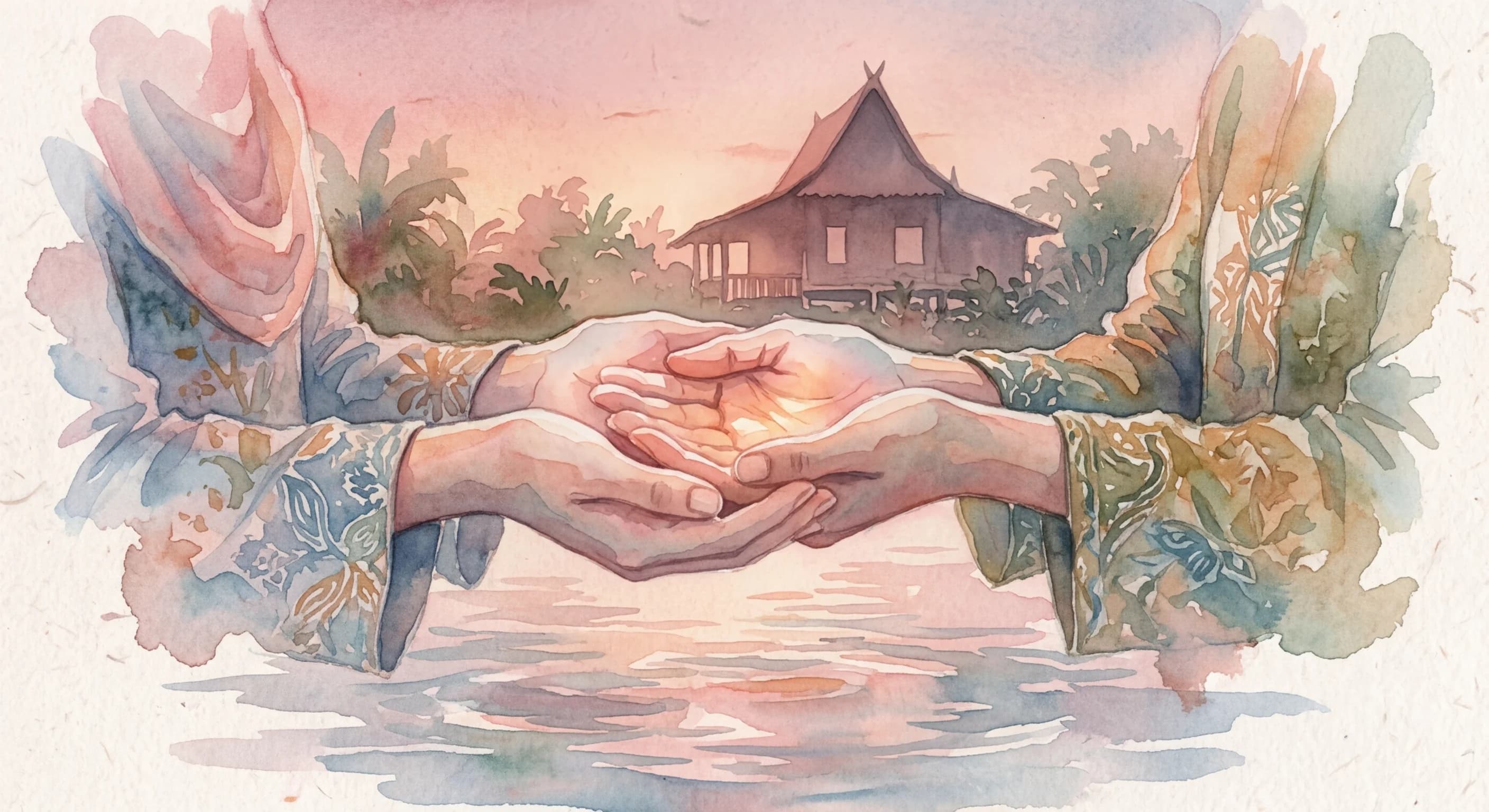
    Artistic representation of Tepuk-tampar
    Malay•
    🇮🇩Indonesia🇲🇾Malaysia

    Tepuk-tampar

    /TEH-pook TAM-par/

    Meaning

    Tepuk-tampar encapsulates the rhythmic, often synchronized, act of clapping hands, extending far beyond simple applause. It embodies a vibrant expression of collective encouragement, shared joy, and communal affirmation. This gesture signifies a powerful sense of solidarity, fostering unity and mutual support among participants, whether celebrating a success, spurring on an effort, or simply acknowledging a moment of shared experience. It's a physical manifestation of a community's heartbeat, resonating with positive reinforcement and heartfelt appreciation.

    Literal Translation

    Clap-slap

    The Story Behind the Word

    The existence of "tepuk-tampar" in Malay culture speaks volumes about the emphasis placed on community, harmony, and collective well-being (gotong-royong). Unlike individualistic applause, "tepuk-tampar" often implies a shared, rhythmic participation, transforming individual appreciation into a communal act. It reflects a societal value where individual achievements are celebrated by the group, and collective effort is paramount. This tradition reinforces social bonds and encourages a sense of belonging, where support is visibly and audibly demonstrated. It's a cultural artifact of a society that thrives on interconnectedness and mutual encouragement, rather than purely individual recognition. The rhythm itself can be almost hypnotic, drawing people into a shared emotional space.

    Experience It

    Village Performance Cheer

    During a traditional dance performance at a village festival, the audience begins a synchronized 'tepuk-tampar'. The rhythmic clapping builds in intensity, spurring on the dancers and creating an electric atmosphere of shared pride and enjoyment among everyone present.

    Encouraging a Speaker

    A youth leader finishes a motivational speech, and the attendees don't just applaud; they engage in a sustained, enthusiastic 'tepuk-tampar'. This isn't just politeness; it's a genuine, collective affirmation of her words and a show of support for the message she delivered.

    The Deeper Meaning

    The concept of 'tepuk-tampar' highlights a worldview where collective energy and shared emotion are powerful forces. It underscores the belief that individual efforts are amplified and validated through communal recognition and support. This gesture reflects a philosophy of 'we before me,' where the well-being and success of the group are paramount, and positive reinforcement is a shared responsibility.

    Did You Know?

    While often spontaneous, 'tepuk-tampar' can also be a structured element in traditional Malay performances, sometimes even guiding the tempo or signaling transitions within a dance or musical piece.

    How It's Used

    Used to describe the action of clapping hands, especially in unison during performances, speeches, or gatherings to show appreciation or encouragement.

    Emotions
    belonging,gratitude,joy,warmth
    Contexts
    celebration,dining,greeting,performance
    🇮🇩Indonesia🇲🇾Malaysia

    by Dr. Kenji Tanaka·Written Mar 10, 2026·Updated Apr 3, 2026

    Related Words

    Explore more
    GezelligDutch

    Gezellig encapsulates a profound sense of warmth, belonging, and convivial comfort, extending beyond mere coziness to embrace the social and emotional atmosphere. It's the feeling of being truly at ease, surrounded by good company, laughter, and a shared sense of contentment. This untranslatable term describes not just a physical space, but a holistic experience where time seems to slow down, fostering genuine connection and a deep sense of well-being.

    SobremesaSpanish

    Sobremesa is the cherished, often extended period immediately following a meal, particularly lunch or dinner, where diners remain seated at the table to enjoy conversation, coffee, and digest not just the food, but the company itself. It’s a dedicated time for unhurried social bonding, storytelling, and shared laughter, transforming a simple meal into a profound communal experience. Far from just clearing the dishes, sobremesa is an integral part of Spanish social life, often lasting for hours.

    Wabi-sabiJapanese

    Wabi-sabi is the profound appreciation for the ephemeral, the imperfect, and the incomplete aspects of existence. It is about discovering beauty in the subtle textures of age, the unique character of flaws, and the gentle decay that marks the passage of time. This philosophy encourages a quiet acceptance of impermanence and a mindful connection to the natural world, finding elegance in simplicity and authenticity.

    IkigaiJapanese

    Ikigai is more than just a reason to get out of bed; it's a deeply personal and evolving sense of purpose that brings genuine fulfillment and joy to one's life. It represents the sweet spot where your passions, talents, needs of the world, and what you can be paid for beautifully converge. Discovering your ikigai often leads to a life lived with intentionality, resilience, and a profound connection to one's contributions. It's the intrinsic motivation that fuels a meaningful existence, regardless of external circumstances.