A-thit-a-myar
/uh-THIT-uh-myahr/
Meaning
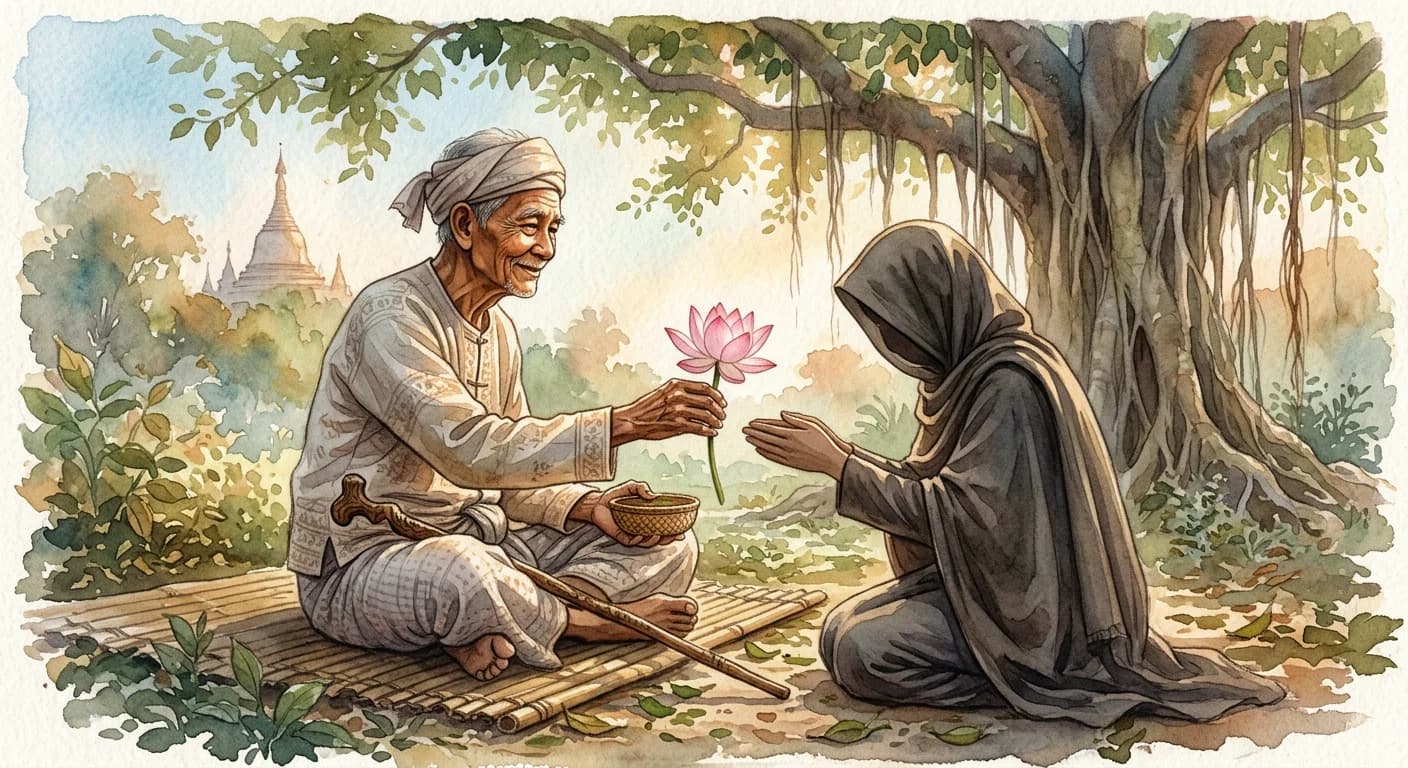
A-thit-a-myar describes the profound, almost overwhelming sense of gratitude and humility experienced when receiving a gift, especially one given with significant personal sacrifice or from someone with little to spare. It's not merely appreciation for the item itself, but a deep recognition of the giver's profound generosity and the intrinsic humanity in their selfless act. This term encapsulates the weighty understanding that the gift transcends material value, carrying with it a powerful emotional and moral obligation of respect and reverence for the giver's spirit.
Literal Translation
Often interpreted as 'great giving' or 'generous gift,' though the nuance is deeper than a simple translation.
The Story Behind the Word
The concept of 'A-thit-a-myar' is deeply rooted in Myanmar's predominantly Theravada Buddhist culture, where the act of 'dana' (generosity or giving) is a cornerstone of merit-making and spiritual development. In a society where resources, for many, have historically been scarce, the act of sharing what little one has elevates the giver's action to a sacred level. This word reflects a communal ethos that values compassion, interdependence, and the recognition of human dignity above material wealth. It highlights a cultural understanding that true richness lies not in accumulation, but in the capacity for selfless giving, fostering strong bonds of reciprocity and mutual respect within the community. The existence of such a specific term underscores how deeply ingrained this value is in the Burmese worldview.
Experience It
Widow's Offering
A poor widow, despite her own struggles, insisted on offering her meager earnings to help fund a local monastery's renovation. The monks, deeply moved by her sacrifice, felt an overwhelming sense of A-thit-a-myar, recognizing the immense spiritual value of her selfless contribution.
Neighbor's Kindness
During a family crisis, a neighbor, known for his modest living, spent his only day off helping with repairs and brought a precious, home-cooked meal. The family, touched by his unexpected and sacrificial kindness, felt a profound A-thit-a-myar for his genuine compassion.
The Deeper Meaning
This word reveals a worldview where generosity is not merely a social courtesy but a profound spiritual act, especially when it entails personal sacrifice. It underscores the Buddhist principle of 'dana' (giving) as a path to merit and liberation, emphasizing that the intention and sacrifice behind a gift often outweigh its material value. It suggests a philosophy where human connection, empathy, and the recognition of another's struggle are paramount, fostering a deep sense of indebtedness and respect for those who give from the heart, irrespective of their means.
Did You Know?
The 'a-thit' part can also imply 'new' or 'fresh,' suggesting that true generosity isn't just giving, but a fresh, renewed act of compassion each time, irrespective of past deeds.
How It's Used
Used to express deep gratitude and acknowledge the significant generosity of a giver, especially when the gift is substantial relative to the giver's means.