បុណ្យ
/boun/
Meaning
Bonn, in Khmer, transcends a simple translation of "merit"; it encapsulates the profound spiritual energy accumulated through selfless acts, generosity, and adherence to Buddhist moral principles. It is the positive karmic force generated by good deeds, ranging from offering food to monks to showing kindness to strangers, and is believed to directly influence one's well-being in this life and the trajectory of future rebirths. This deeply ingrained concept forms the bedrock of Khmer spiritual life, guiding communal practices, religious festivals, and individual conduct towards a path of virtue and auspiciousness.
Literal Translation
merit, good deeds, religious merit
The Story Behind the Word
Bonn is inextricably linked to Theravada Buddhism, which has been the predominant religion in Cambodia for centuries. Its roots can be traced back to the ancient Indian concept of "punya," signifying meritorious deeds. For Khmers, bonn is not just an abstract idea but a tangible spiritual currency that can be accumulated, shared, and even transferred. This belief shapes daily interactions, charitable giving, and the elaborate cycle of religious festivals (also called "bonn"), such as Pchum Bonn (Ancestor's Day) or Kathina Bonn (Robe Offering Ceremony). The accumulation of bonn is seen as essential for a favorable rebirth and for contributing to the overall spiritual health of the community and nation, reflecting a worldview where actions have profound, lasting consequences.
Experience It
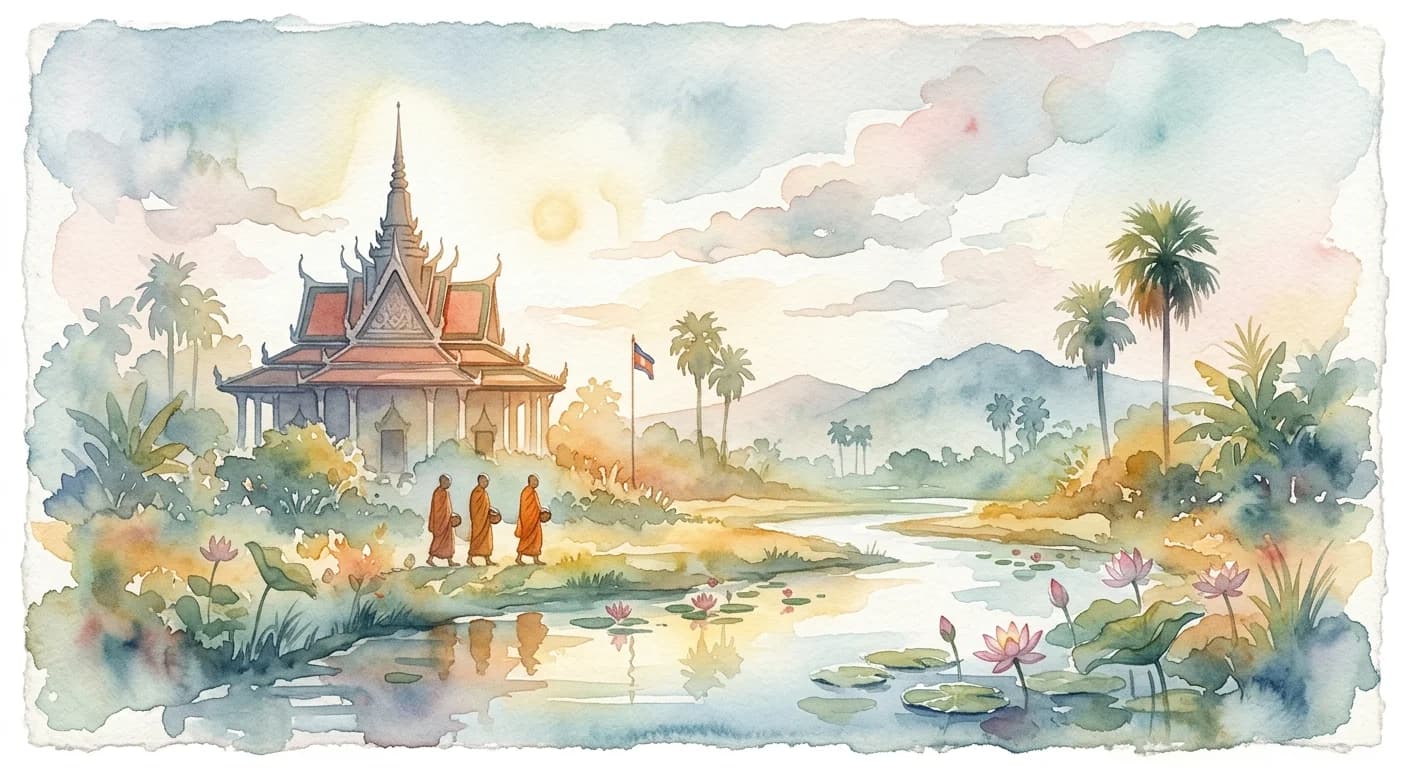
Offering Alms, Earning Bonn
Early morning, a Khmer woman carefully prepares a bowl of steaming rice and curries. She waits by her gate for the saffron-robed monks to pass, respectfully offering the food. This daily act, performed with a sincere heart, is a clear example of earning bonn for herself and her family, ensuring spiritual well-being.
Community Festival Bonn
The village gathers for the annual Pchum Bonn festival, honoring ancestors. Families bring elaborate food offerings to the pagoda, chant prayers, and listen to sermons. Participating in such a large-scale communal event, contributing resources and devotion, is considered a powerful way for everyone to collectively accumulate bonn.
What Gets Lost in Translation
English speakers might equate "bonn" simply with "good deeds" or "charity." However, bonn carries a much stronger spiritual and karmic weight, directly impacting one's destiny across lifetimes, which is a nuance often lost. It's not just about being a good person, but actively cultivating spiritual merit.
Across Cultures
Similar concepts of accumulating positive karma or merit through good deeds exist across various Buddhist traditions, such as "punya" in Sanskrit and Pali, which is its direct etymological root. In some Hindu traditions, the idea of dharma and karma also aligns with the notion that righteous actions lead to positive spiritual outcomes.
The Deeper Meaning
Bonn reveals a Khmer worldview deeply rooted in the interconnectedness of action, consequence, and spiritual destiny. It underscores a belief that individual ethical conduct and generosity are not merely personal virtues but fundamental forces shaping one's present reality and future existence, emphasizing responsibility and the pursuit of spiritual growth over material gain.
Did You Know?
Many Khmer festivals are literally named "Bonn" (e.g., Bonn Pchum Ben, Bonn Kathen), reflecting how deeply the concept of merit-making is embedded within their most significant cultural and religious celebrations.
How It's Used
Used to refer to religious ceremonies, festivals, and the accumulation of merit through good deeds.