Pono
/POH-noh/
Meaning
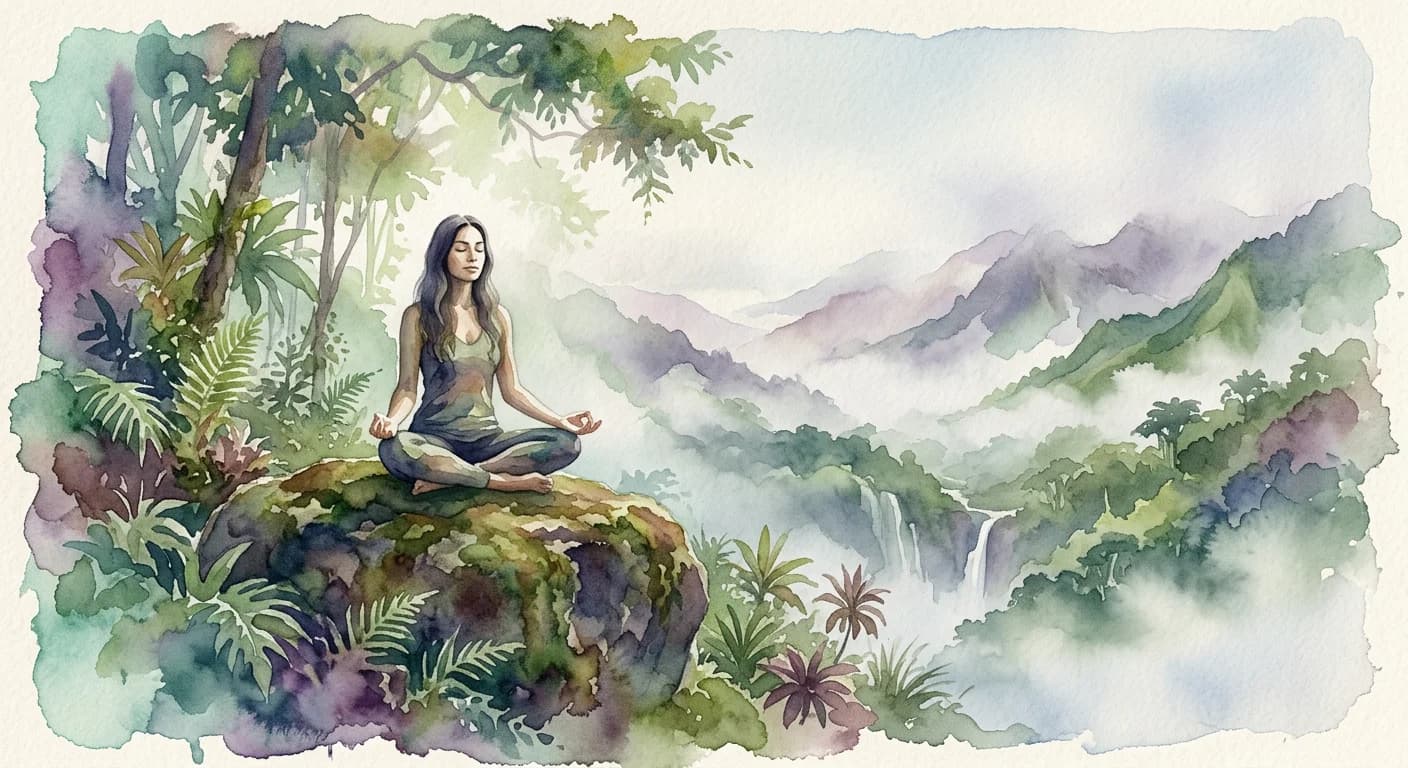
Pono transcends simple morality, embodying a profound state of righteousness, balance, and harmony with all aspects of existence. It signifies living truthfully and justly, where one's actions align with the greater good of community, land, and spirit. To achieve pono is to act with integrity, fulfill responsibilities, and maintain a respectful relationship with the natural world, fostering a holistic and interconnected way of being that ensures well-being for all.
Literal Translation
Righteousness, goodness, correct, truth, justice, morality, virtue, fairness, and equity.
The Story Behind the Word
Pono is a cornerstone of traditional Hawaiian society, deeply interwoven with spiritual beliefs and the governance of the land. It reflects an animistic worldview where humans are an integral part of nature, not separate from it. The concept guided chiefs (aliʻi) in their rule, demanding justice and stewardship of resources to ensure the prosperity of their people and the ʻāina (land). Violating pono, or hewa, was believed to disrupt the cosmic order, leading to imbalance and misfortune. This deep reverence for interconnectedness and balance reveals a culture that prioritizes collective well-being and ecological harmony, viewing individual actions as having far-reaching spiritual and environmental consequences.
Experience It
Restoring Land's Pono
A community decides to remove invasive species and replant native trees in a neglected forest. This act isn't just ecological restoration; it's about restoring the land's pono, healing a broken relationship with nature, and bringing balance back to the ecosystem for future generations.
Leader's Pono Decision
A community leader faces a difficult decision about water distribution. Instead of prioritizing personal gain or a vocal minority, they consult elders and experts, seeking a solution that ensures equitable access for all and protects the watershed, embodying pono through just and balanced leadership.
The Deeper Meaning
Pono reveals a profound ecological and relational philosophy where individual well-being is inseparable from the health of the community and the environment. It posits that true 'rightness' isn't merely adhering to rules, but actively cultivating balance, respect, and reciprocal relationships with all living things. This worldview emphasizes responsibility, not just rights, as the foundation for a just and sustainable existence.
Did You Know?
The phrase 'mālama pono' is a common Hawaiian farewell, meaning 'take care righteously' or 'be well in balance,' invoking the deeper sense of holistic well-being.
How It's Used
Used in everyday conversation and philosophy to describe a state of being, a course of action, or a way of life that is righteous, balanced, and in alignment with universal principles.