U.
HomeRegionsLanguagesEmotionsCollections
Find Your Word

“The limits of my language mean the limits of my world.”

— Ludwig Wittgenstein, Philosopher

Untranslatable

A curated collection of the world's most beautiful expressions—words that remind us language is humanity's greatest invention.

  • Home
  • Collections
  • Regions
  • Countries
  • Emotions
  • Tags
  • Contexts
  • Finder
  • Europe
  • Asia
  • Americas
  • Africa
  • Middle East
  • About
  • Contact
  • Privacy Policy
  • Terms of Service

2026 © Untranslatable. All rights reserved.

    /
    /
    1. Home
    2. /
    3. Americas
    4. /
    5. Mālama 'āina
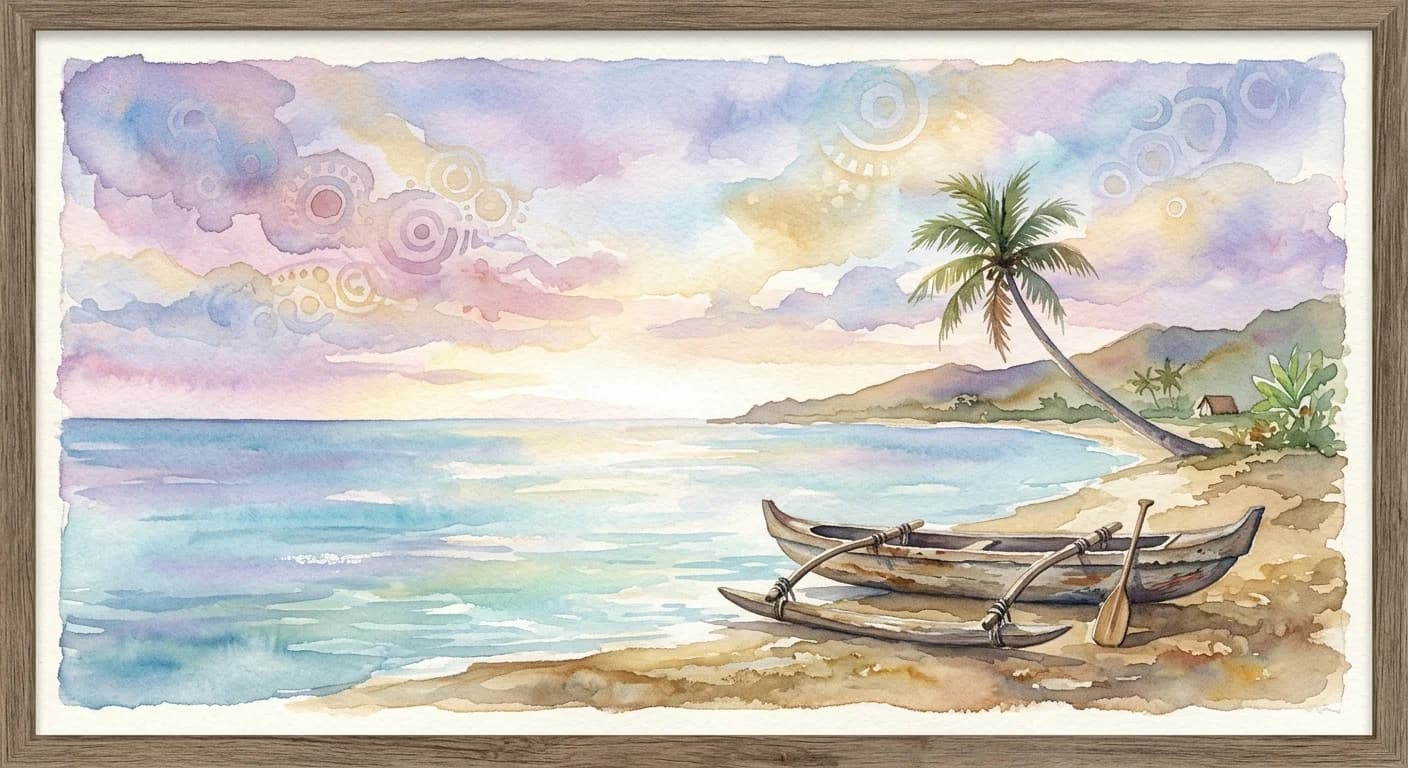
    Artistic representation of Mālama 'āina
    Hawaiian•
    🇺🇸United States

    Mālama 'āina

    /MAH-lah-mah EYE-nah/

    Meaning

    Mālama 'āina is a profound Hawaiian concept that transcends simple environmentalism, embodying a sacred covenant between people and the land. It signifies a deep, reciprocal relationship where humanity is an integral part of the natural world, not separate from it. This worldview mandates an ethical obligation to protect, nurture, and sustain the earth, sea, and all living things, recognizing that the well-being of the community is inextricably linked to the health and vitality of the environment. It is a call to holistic stewardship, ensuring abundance for future generations.

    Literal Translation

    care for the land

    The Story Behind the Word

    The concept of Mālama 'āina is deeply rooted in ancient Hawaiian cosmology and subsistence practices. For Hawaiians, the land ('āina) is not merely property but an ancestor, a living entity that provides sustenance and identity. The ali'i (chiefs) were responsible for the well-being of their people and the land, reflecting a hierarchical yet symbiotic relationship. The intricate 'ahupua'a system, land divisions extending from mountain to sea, facilitated sustainable resource management, demonstrating practical application of Mālama 'āina. This philosophy arose from a profound observation of natural cycles and the understanding that human survival depended entirely on the health of the ecosystem. It reveals a worldview where humans are stewards, not owners, bound by kinship to the natural world, emphasizing balance, respect, and mutual flourishing.

    Experience It

    Community Beach Clean-up

    A group of local volunteers, from elders to children, gathers at a secluded cove. They meticulously collect debris, not just for aesthetics, but with a quiet reverence for the ocean and shoreline, embodying Mālama 'āina through their actions to restore balance and health to the environment.

    Sustainable Farming Practices

    A farmer cultivates taro in a traditional lo'i (wetland patch), employing methods passed down through generations. He rotates crops and uses natural fertilizers, ensuring the soil remains fertile and the water pure, practicing Mālama 'āina by nurturing the land for long-term productivity and ecological harmony.

    The Deeper Meaning

    Mālama 'āina articulates a profound philosophy of interconnectedness and reciprocal responsibility. It posits that human existence and flourishing are entirely dependent on a healthy environment, rejecting anthropocentric views in favor of an ecocentric paradigm. This worldview fosters humility, gratitude, and a sense of belonging within the natural order, emphasizing that care for self, community, and future generations is inseparable from care for the earth.

    Did You Know?

    The 'āina (land) in Mālama 'āina is sometimes referred to as 'ohana (family), highlighting the deep familial connection Hawaiians have with their environment.

    How It's Used

    Used to express a deep respect for and commitment to the natural environment, often invoked in discussions about conservation, sustainability, and cultural heritage in Hawaii.

    Emotions
    belonging,gratitude,peace
    Contexts
    community,family,nature,tradition
    🇺🇸United States

    by Dr. Kenji Tanaka·Written Mar 10, 2026·Updated Apr 3, 2026

    Related Words

    Explore more
    Dolce far nienteItalian

    Dolce far niente captures the profound joy and effortless pleasure derived from simply existing without obligation or purpose. It's the art of savoring moments of pure, unadulterated idleness – lying in the sun, watching the clouds drift, or enjoying a leisurely coffee – not as a break from work, but as a valuable state in itself. This 'sweetness of doing nothing' is a conscious embrace of stillness and contentment, allowing the soul to breathe and the senses to fully engage with the present.

    SobremesaSpanish

    Sobremesa is the cherished, often extended period immediately following a meal, particularly lunch or dinner, where diners remain seated at the table to enjoy conversation, coffee, and digest not just the food, but the company itself. It’s a dedicated time for unhurried social bonding, storytelling, and shared laughter, transforming a simple meal into a profound communal experience. Far from just clearing the dishes, sobremesa is an integral part of Spanish social life, often lasting for hours.

    Pura vidaSpanish

    More than just 'pure life,' "Pura vida" encapsulates a profound philosophy of embracing the present moment with unwavering optimism and gratitude. It's a daily commitment to finding joy in simple pleasures, accepting life's challenges with a positive spirit, and prioritizing well-being over material possessions. This ubiquitous phrase reflects a national identity built on resilience, community, and an deep appreciation for nature's bounty.

    MamihlapinatapaiYaghan

    Mamihlapinatapai encapsulates that profound, unspoken moment when two individuals lock eyes, each silently acknowledging a mutual desire or intention, yet both hesitate to be the first to act upon it. It's a delicate dance of anticipation, a shared gaze brimming with common understanding and a quiet longing for the other to break the ice. This intricate look carries the weight of a shared, uninitiated potential, a silent conversation where both parties are perfectly aware of what could happen, but neither makes the first move.