U.
HomeRegionsLanguagesEmotionsCollections
Find Your Word

“The limits of my language mean the limits of my world.”

— Ludwig Wittgenstein, Philosopher

Untranslatable

A curated collection of the world's most beautiful expressions—words that remind us language is humanity's greatest invention.

  • Home
  • Collections
  • Regions
  • Countries
  • Emotions
  • Tags
  • Contexts
  • Finder
  • Europe
  • Asia
  • Americas
  • Africa
  • Middle East
  • About
  • Contact
  • Privacy Policy
  • Terms of Service

2026 © Untranslatable. All rights reserved.

    /
    /
    1. Home
    2. /
    3. Americas
    4. /
    5. Sami
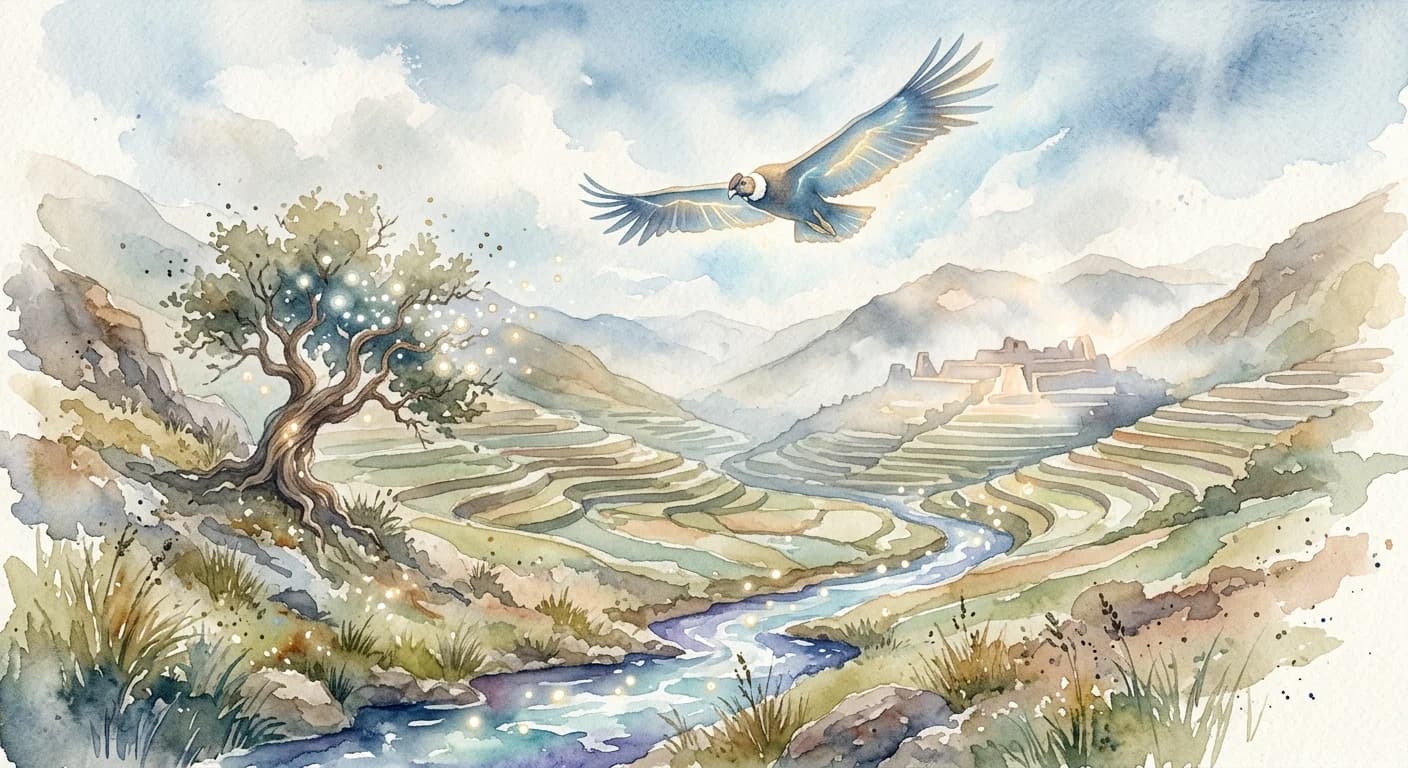
    Artistic representation of Sami
    Quechua•
    🇧🇴Bolivia🇪🇨Ecuador🇵🇪Peru

    Sami

    /SAH-mee/

    Meaning

    Within Quechua cosmology, 'sami' embodies the sacred, vital essence that permeates all existence, from towering mountains to the smallest pebble, from a human being to a whispered prayer. It's not merely an abstract energy, but an animating spirit, a sacred quality that intrinsically links every element of the natural world into a living, breathing whole. This concept illuminates a profound understanding that the physical and spiritual realms are inseparable, each possessing its own unique 'sami' that contributes to the cosmic balance and interconnectedness of life.

    Literal Translation

    spirit, soul, essence

    The Story Behind the Word

    The concept of 'sami' is fundamental to the Andean worldview, deeply rooted in the long history of indigenous spiritual practices and the profound relationship between the Quechua people and their natural environment, or *Pachamama*. It reflects a philosophy where reciprocity (*ayni*) and respect (*rimay*) are paramount, extending not just to other humans but to all beings and even geological features. The presence of 'sami' in everything means that the mountains (apus), rivers, and even the earth itself are considered living entities with consciousness and agency, deserving of reverence and offerings. This belief system fosters a deep ecological awareness, where exploiting nature is akin to harming a living relative, underscoring why sustainable practices have been integral to Andean cultures for millennia.

    Experience It

    Honoring Mountain's Sami

    Before embarking on a trek through the Andes, a Quechua elder offers a small coca leaf offering to the towering Apu. He speaks softly, acknowledging the mountain's 'sami,' asking for safe passage and expressing gratitude for its powerful presence and life-giving waters.

    A Child's Sami

    A mother watches her child playing, laughing freely. She thinks about the child's vibrant, untainted 'sami,' a pure spirit full of potential and joy, intrinsically connected to the world around them. She knows it is her role to nurture and protect this precious essence.

    The Deeper Meaning

    The concept of 'sami' reveals a holistic worldview that collapses the Western dichotomy between animate and inanimate, spiritual and material. It posits that life force and consciousness are not exclusive to biological organisms but are inherent properties of the cosmos, making everything a potential source of wisdom, power, and connection. This fosters an ethics of profound respect and interdependence, where human well-being is inextricably linked to the well-being of the entire living world.

    Did You Know?

    Shamans, or *paqos*, are believed to be particularly attuned to 'sami,' able to perceive and interact with these spiritual essences to bring healing and balance to individuals and the community.

    How It's Used

    Used in Quechua to describe the animating spirit or essence of a person, animal, plant, or even a place.

    Emotions
    belonging,peace,wonder
    Contexts
    family,nature,spirituality
    🇧🇴Bolivia🇪🇨Ecuador🇵🇪Peru

    by Dr. Kenji Tanaka·Written Mar 10, 2026·Updated Apr 3, 2026

    Related Words

    Explore more
    Dolce far nienteItalian

    Dolce far niente captures the profound joy and effortless pleasure derived from simply existing without obligation or purpose. It's the art of savoring moments of pure, unadulterated idleness – lying in the sun, watching the clouds drift, or enjoying a leisurely coffee – not as a break from work, but as a valuable state in itself. This 'sweetness of doing nothing' is a conscious embrace of stillness and contentment, allowing the soul to breathe and the senses to fully engage with the present.

    SobremesaSpanish

    Sobremesa is the cherished, often extended period immediately following a meal, particularly lunch or dinner, where diners remain seated at the table to enjoy conversation, coffee, and digest not just the food, but the company itself. It’s a dedicated time for unhurried social bonding, storytelling, and shared laughter, transforming a simple meal into a profound communal experience. Far from just clearing the dishes, sobremesa is an integral part of Spanish social life, often lasting for hours.

    Pura vidaSpanish

    More than just 'pure life,' "Pura vida" encapsulates a profound philosophy of embracing the present moment with unwavering optimism and gratitude. It's a daily commitment to finding joy in simple pleasures, accepting life's challenges with a positive spirit, and prioritizing well-being over material possessions. This ubiquitous phrase reflects a national identity built on resilience, community, and an deep appreciation for nature's bounty.

    MamihlapinatapaiYaghan

    Mamihlapinatapai encapsulates that profound, unspoken moment when two individuals lock eyes, each silently acknowledging a mutual desire or intention, yet both hesitate to be the first to act upon it. It's a delicate dance of anticipation, a shared gaze brimming with common understanding and a quiet longing for the other to break the ice. This intricate look carries the weight of a shared, uninitiated potential, a silent conversation where both parties are perfectly aware of what could happen, but neither makes the first move.