Qollqa
/KOLL-kah/
Meaning
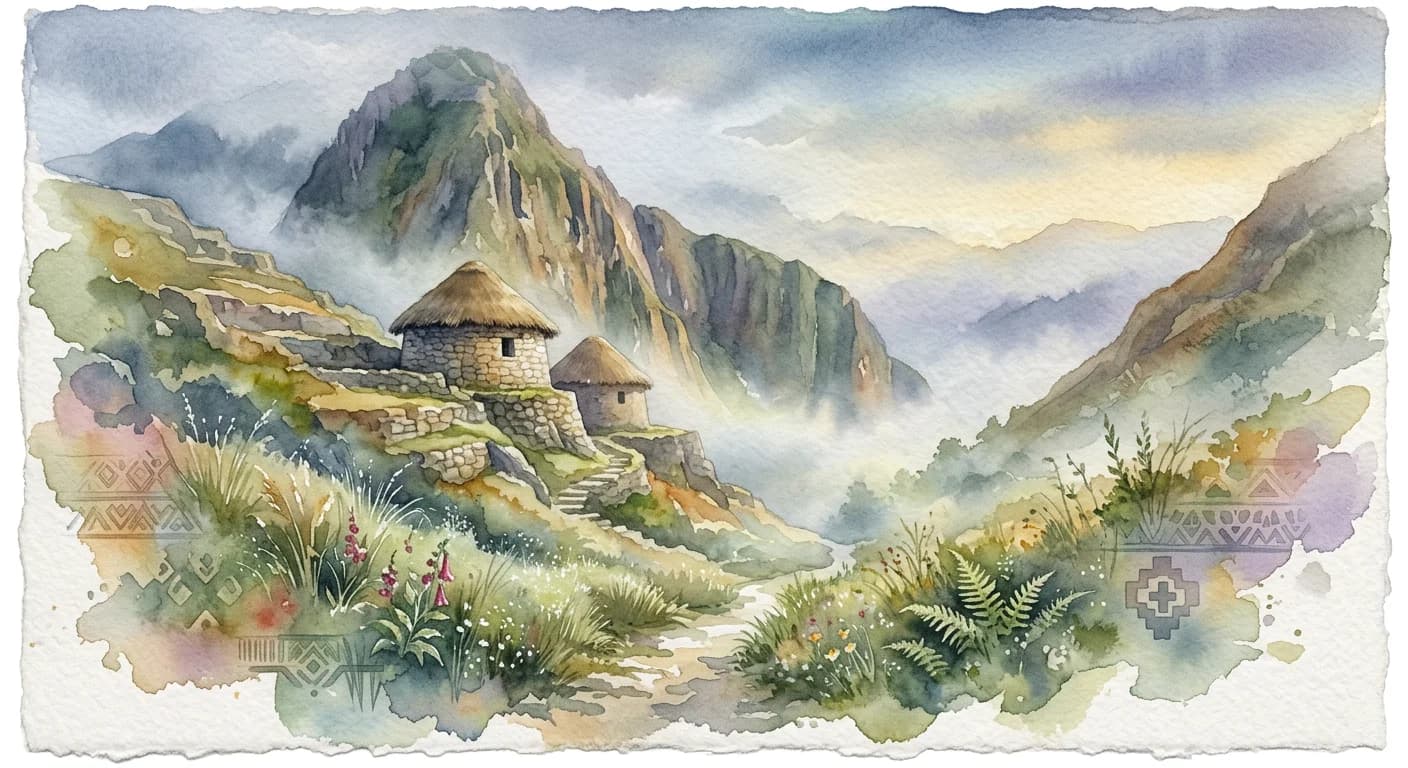
The term 'Qollqa' refers to the ingenious ancient Inca storehouses, often built into hillsides or strategically located to harness natural ventilation and cold. These structures were the backbone of the empire's sophisticated logistical network, designed not just to hold surplus food and goods, but to ensure the sustained well-being of a vast population. More than mere granaries, they symbolized the Inca's profound foresight, masterful resource management, and unwavering commitment to communal welfare, embodying a civilization that thrived on meticulous planning and equitable distribution.
Literal Translation
Storehouse, granary
The Story Behind the Word
The 'Qollqa' is a profound testament to the Inca's organizational genius and their deep-seated philosophy of reciprocity and collective survival, known as 'Ayni' and 'Mita.' In a challenging Andean environment prone to droughts and frosts, the ability to store vast quantities of maize, potatoes, quinoa, and textiles was not just practical; it was existential. These storehouses were often built in clusters, strategically placed along the Qhapaq Ñan (Inca road system), allowing for rapid deployment of resources to any part of the empire, whether for famine relief, military campaigns, or state feasts. The existence of the Qollqa reveals a society that prioritized long-term planning, social cohesion, and a shared responsibility for the prosperity of all, demonstrating a remarkable understanding of food security and logistical mastery that sustained an empire without a written language or wheeled vehicles.
Experience It
Famine Relief
A prolonged drought threatens a distant valley. The Sapa Inca, informed by his extensive network, orders the opening of regional qollqas. Teams of chasquis (runners) and porters are dispatched, ensuring that food rapidly reaches the affected communities, averting widespread starvation.
Feast Preparations
For an upcoming state ceremony in Cusco, a massive feast is planned. Administrators meticulously calculate the necessary provisions, drawing from various qollqas across the empire to gather maize beer, dried meats, and textiles, showcasing the state's bounty and power.
The Deeper Meaning
The 'Qollqa' embodies a profound philosophical commitment to collective resilience and the rejection of individual scarcity. It reflects a worldview where the state's primary role was to ensure the material well-being of its people through meticulous planning, communal labor, and equitable distribution. It speaks to a deep understanding that societal stability and prosperity are rooted in foresight and shared resources, rather than individual accumulation, highlighting a collectivist ethic that prioritized the 'sumaq kawsay' (good living) for all.
Did You Know?
Archaeological studies suggest that some qollqas were so effectively designed that they could preserve potatoes for up to 10 years, a testament to Inca engineering and food preservation techniques.
How It's Used
Refers to ancient Inca storehouses or granaries, or metaphorically to systems of storage and resource management.