Drachenfutter
/DRAH-khuhn-foo-ter/
Meaning
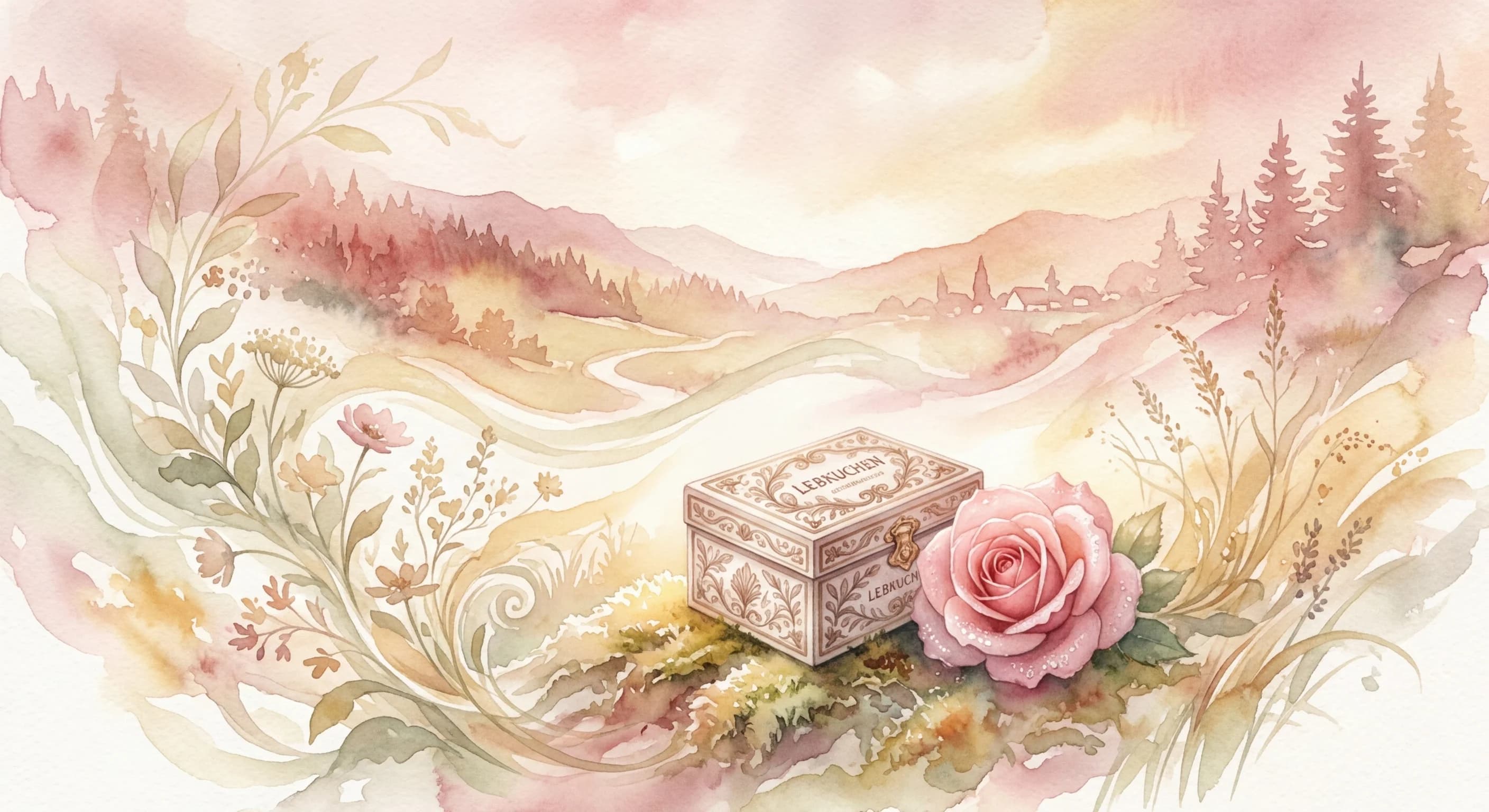
“Drachenfutter” literally translates to “dragon fodder,” but it vividly describes a conciliatory gift, often a box of chocolates or flowers, presented to a spouse – typically the wife – to appease them after a transgression, a prolonged absence, or to soften the blow of impending bad news. It's a pragmatic peace offering, a tangible 'bribe' designed to deftly navigate domestic discord and restore marital harmony. This custom humorously acknowledges that a well-timed present can often be far more effective than words in averting a domestic storm.
Literal Translation
Dragon fodder
The Story Behind the Word
The existence of "Drachenfutter" in German culture speaks volumes about a certain pragmatic, and often self-deprecating, approach to relationship dynamics. It's rooted in a recognition that apologies alone might not suffice, and that a small, thoughtful material gesture can defuse tension more effectively. The term’s humorous self-awareness — depicting the spouse as a fearsome 'dragon' requiring 'fodder' — suggests a cultural comfort with acknowledging marital friction with a wink and a nod, rather than always with solemnity. It implicitly recognizes the power dynamics within a household, often with the wife as the primary emotional barometer, and the husband as the one needing to 'pacify' the situation. This isn't necessarily sexist, but rather a reflection of traditional gender roles that, while evolving, still inform such linguistic expressions, offering a lighthearted way to manage inevitable domestic strains.
Experience It
Late Night Apology
After arriving home hours past his promised time from a 'quick' drink with friends, Thomas sheepishly presented his wife, Petra, with a bouquet of her favorite roses. "Drachenfutter," he mumbled, hoping the fragrant blooms would quell her simmering anger before she unleashed her full 'dragon' fury.
Bad News Buffer
Knowing he had to tell his wife about the expensive car repair bill, Michael arrived home with a large box of her favorite luxury chocolates. "Here, my love, a little something for you," he announced, strategically deploying his Drachenfutter before delivering the unwelcome financial news.
The Deeper Meaning
This term subtly reveals a pragmatic worldview where relationships are seen as systems requiring careful maintenance and occasional 'greasing of the wheels.' It suggests that human emotions, while complex, can sometimes be navigated with thoughtful, tangible gestures, acknowledging the power of symbolic offerings in restoring balance and harmony within a partnership. It's a testament to the idea that a small act of kindness, even a calculated one, can prevent larger conflicts.
Did You Know?
While often associated with husbands appeasing wives, the concept of "Drachenfutter" can apply to any partner needing to smooth over a situation, highlighting its universal appeal in domestic appeasement.
How It's Used
Typically used when someone returns home after being away, or when preparing to deliver unwelcome news to a partner, by presenting a gift to pacify them.