U.
HomeRegionsLanguagesEmotionsCollections
Find Your Word

“The limits of my language mean the limits of my world.”

— Ludwig Wittgenstein, Philosopher

Untranslatable

A curated collection of the world's most beautiful expressions—words that remind us language is humanity's greatest invention.

  • Home
  • Collections
  • Regions
  • Countries
  • Emotions
  • Tags
  • Contexts
  • Finder
  • Europe
  • Asia
  • Americas
  • Africa
  • Middle East
  • About
  • Contact
  • Privacy Policy
  • Terms of Service

2026 © Untranslatable. All rights reserved.

    /
    /
    1. Home
    2. /
    3. Americas
    4. /
    5. Yolloxochitl
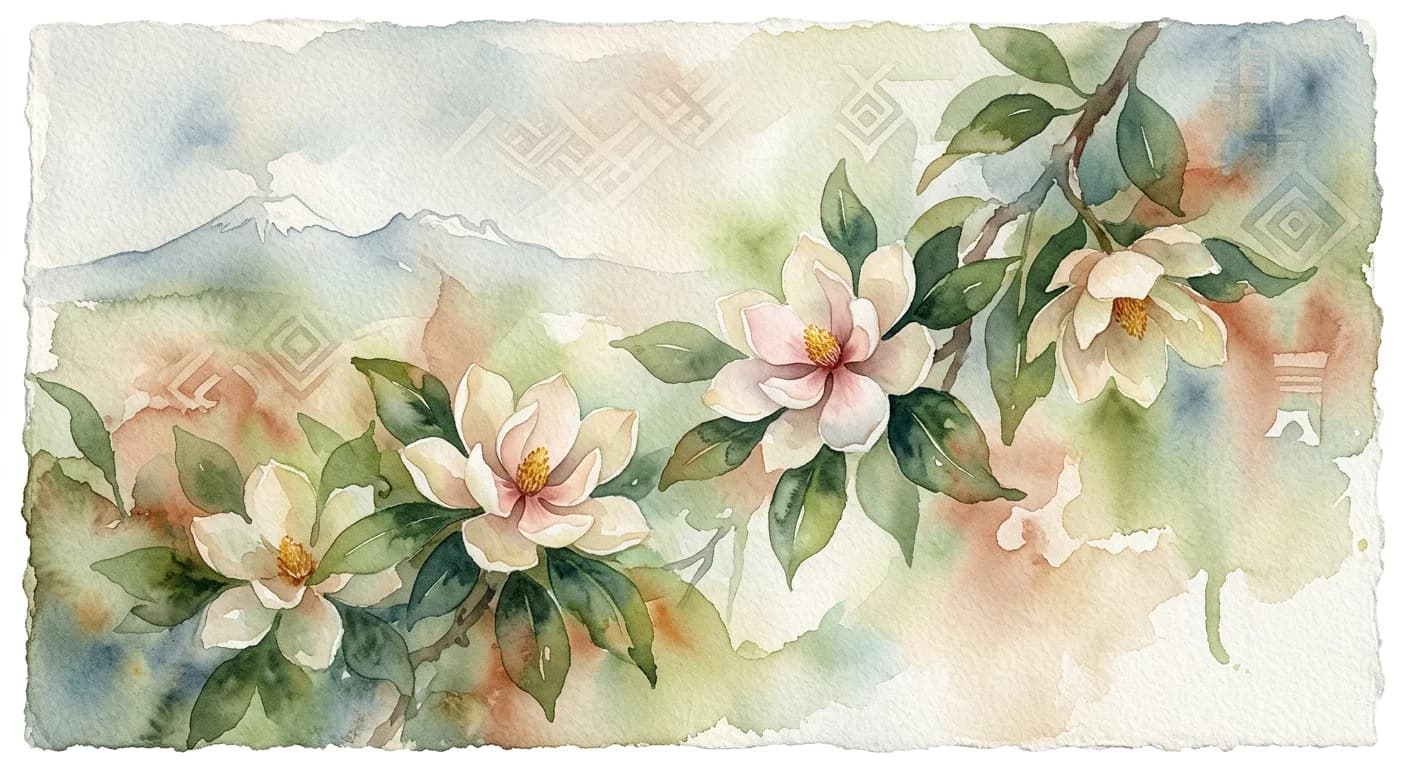
    Artistic representation of yolloxochitl
    Nahuatl•
    🇲🇽Mexico

    Yolloxochitl

    /yoh-llok-SHO-cheetl/

    Meaning

    Yolloxochitl, literally 'heart-flower,' transcends a mere botanical name for the Magnolia mexicana. It embodies a sacred connection to life's essence within Nahuatl cosmology, symbolizing not only the earth's nurturing power but also profound spiritual healing and inner peace. Its intoxicating aroma and delicate bloom evoke a sense of reverence, often featuring in rituals and traditional medicine where its essence is believed to soothe the spirit and mend the body. This word captures a holistic worldview where beauty, vitality, and spiritual significance are inextricably intertwined.

    Literal Translation

    heart-flower

    The Story Behind the Word

    The existence of 'yolloxochitl' reveals a profound reverence for nature and a sophisticated understanding of the interconnectedness between the natural world, human well-being, and the spiritual realm in Nahuatl culture. For the Mexica and other Nahua peoples, the heart (yollotl) was not just an organ but the seat of individual life force, emotion, and intellect, often associated with divinity. To call a flower a 'heart-flower' elevates it to a sacred status, implying it possesses a vital essence akin to the human soul or even the divine. This perspective is rooted in a cosmovision where plants, especially those with potent fragrances or medicinal properties, were seen as living expressions of the gods' gifts, capable of mediating between the earthly and celestial planes. The word thus encapsulates a philosophy where beauty is inherently spiritual, healing is holistic, and humanity is deeply embedded within a sacred natural order.

    Experience It

    Healing Ceremony

    The curandera gently placed dried yolloxochitl petals into the steaming temazcal water. Her patient inhaled deeply, believing the fragrant steam would cleanse not just the body, but also mend the 'heart'—the emotional and spiritual core—bringing peace and renewed vitality.

    Honoring the Ancestors

    On the altar for Día de Muertos, alongside marigolds, a small, carefully preserved yolloxochitl bloom was placed. It wasn't just decorative; its presence was an offering, a 'heart-flower' meant to guide and comfort the spirits of the beloved departed, signifying enduring love.

    The Deeper Meaning

    Yolloxochitl reflects a Nahuatl philosophical tenet that true beauty and spiritual power are not separate from the natural world but are inherent within it. It highlights the concept of 'in ixtli in yollotl' (the face, the heart), signifying a person's inner essence and true character. By naming a flower the 'heart-flower,' it suggests nature itself possesses a 'heart,' a vital spirit that can impart wisdom, healing, and connection to the divine, blurring the lines between the sacred and the mundane.

    Did You Know?

    The yolloxochitl (Magnolia mexicana) is one of the few magnolias native to Mesoamerica and has been cultivated and revered for millennia, long before European contact.

    How It's Used

    Used in botanical and cultural contexts within Nahuatl-speaking communities, often referring to the Magnolia mexicana flower and its symbolic meanings.

    Emotions
    gratitude,peace,wonder
    Contexts
    celebration,nature,relaxation
    🇲🇽Mexico

    by Sofia Rossi·Written Mar 10, 2026·Updated Apr 3, 2026

    Related Words

    Explore more
    Dolce far nienteItalian

    Dolce far niente captures the profound joy and effortless pleasure derived from simply existing without obligation or purpose. It's the art of savoring moments of pure, unadulterated idleness – lying in the sun, watching the clouds drift, or enjoying a leisurely coffee – not as a break from work, but as a valuable state in itself. This 'sweetness of doing nothing' is a conscious embrace of stillness and contentment, allowing the soul to breathe and the senses to fully engage with the present.

    Pura vidaSpanish

    More than just 'pure life,' "Pura vida" encapsulates a profound philosophy of embracing the present moment with unwavering optimism and gratitude. It's a daily commitment to finding joy in simple pleasures, accepting life's challenges with a positive spirit, and prioritizing well-being over material possessions. This ubiquitous phrase reflects a national identity built on resilience, community, and an deep appreciation for nature's bounty.

    MamihlapinatapaiYaghan

    Mamihlapinatapai encapsulates that profound, unspoken moment when two individuals lock eyes, each silently acknowledging a mutual desire or intention, yet both hesitate to be the first to act upon it. It's a delicate dance of anticipation, a shared gaze brimming with common understanding and a quiet longing for the other to break the ice. This intricate look carries the weight of a shared, uninitiated potential, a silent conversation where both parties are perfectly aware of what could happen, but neither makes the first move.

    TingoPascuense

    Tingo describes the subtle, insidious process of progressively appropriating a neighbor's belongings by habitually requesting to borrow them, only to 'forget' their return. It's not outright theft, but a slow, deliberate erosion of another's possessions, often under the guise of neighborly exchange. This gradual accumulation, piece by piece, ultimately results in a significant transfer of goods without any direct confrontation or formal acknowledgment of the loss. It speaks to a passive-aggressive form of acquisition, where social niceties are weaponized.