Tlachinolli
/tlach-ee-NOH-lee/
Meaning
Tlachinolli is a profound Nahuatl concept that embodies the fiery, destructive, yet ultimately transformative power of war and intense conflict. Far beyond mere physical combat, it refers to a cataclysmic force that purges the old, making way for the new, much like a controlled burn revitalizes a forest. This word encapsulates a worldview where creation and renewal are inextricably linked with destruction, recognizing the painful yet necessary crucible through which individuals and societies are forged anew.
Literal Translation
burnt thing
The Story Behind the Word
The concept of tlachinolli is deeply rooted in the Mesoamerican worldview, where dualism and cyclical patterns of creation and destruction were fundamental. For the Mexica (Aztec) people, war was not merely a political or territorial endeavor but a sacred act, often necessary to appease the gods, ensure the cosmos's continuation, and gather sacrificial offerings (ixtli, yollotl - face, heart). This belief system saw the universe as being in a constant state of flux, requiring violent interventions to maintain balance and prevent cosmic collapse. Tlachinolli, as the 'burnt thing' or 'fire,' symbolized this purifying destruction, which, while devastating, was understood as a vital part of the sacred order, capable of forging new leadership, new alliances, and a renewed social fabric. It reflects a stoic acceptance of suffering as a pathway to strength and order.
Experience It
A City's Rebirth
After years of internal strife and corruption, a devastating civil war erupted. Though many lives were lost and buildings crumbled, from the ashes of the old order emerged a new, more just society. The elders spoke of the tlachinolli that had cleansed their city, painful yet necessary for its rebirth.
Warrior's Transformation
A young warrior, initially timid, faced the horrors of battle. The tlachinolli of combat stripped away his innocence and fear, forging him into a hardened, disciplined leader. He understood that the 'burnt thing' had consumed his former self, leaving a stronger, more resolute spirit in its wake.
The Deeper Meaning
Tlachinolli reveals a profound philosophical insight into the cyclical nature of existence, where destruction is not an end but a violent, purifying prelude to creation. It embodies the Mesoamerican understanding that life and death, order and chaos, are not opposing forces but interconnected parts of a continuous cosmic dance. This worldview posits that true strength and renewal often emerge from the crucible of intense, transformative conflict, accepting suffering as an integral part of progress.
Did You Know?
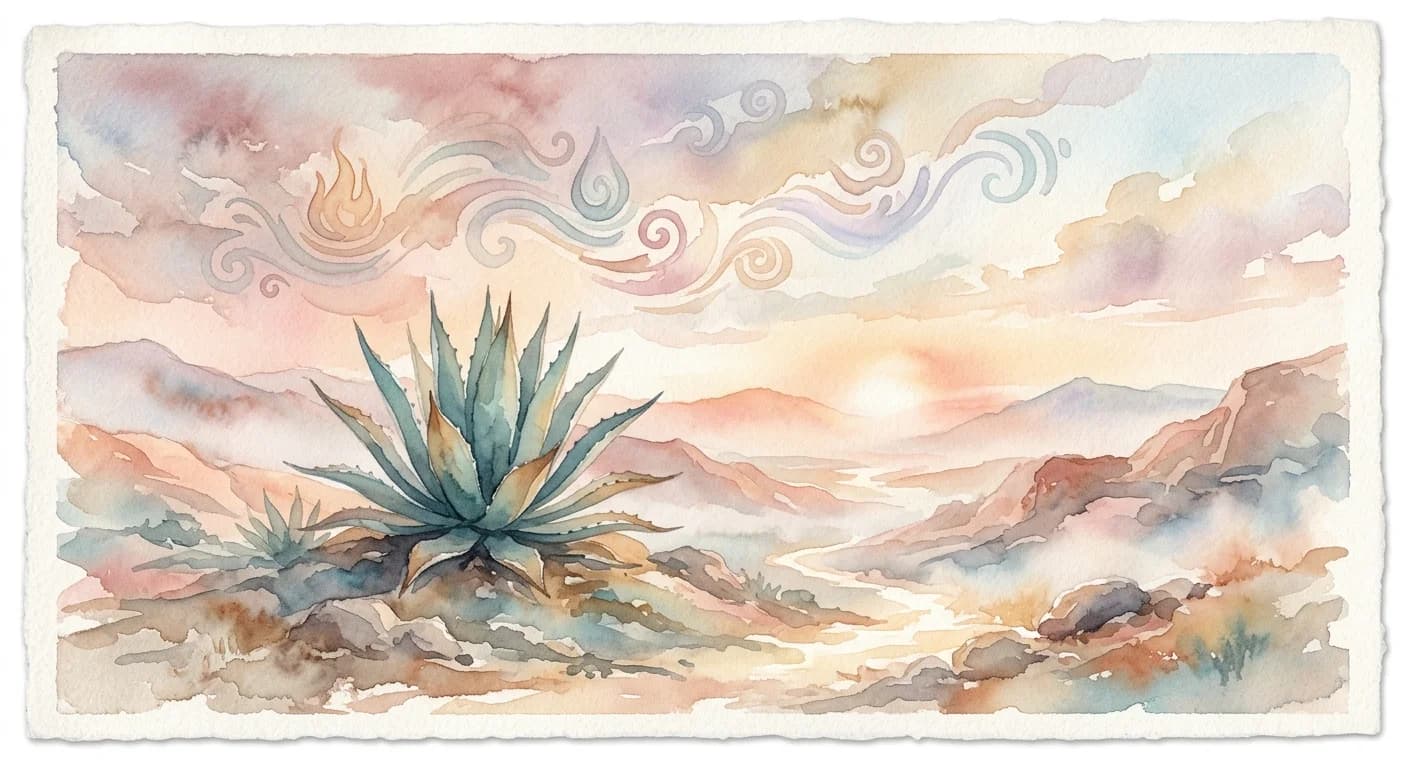
The 'burnt thing' aspect of tlachinolli is often visually represented in codices by intertwined symbols of fire and water (atepetl), symbolizing a sacred, transformative destruction.
How It's Used
Tlachinolli is used to describe the concept of war, particularly in its more profound, spiritual, or transformative aspects, within the cultural and historical context of Nahuatl-speaking peoples.