U.
HomeRegionsLanguagesEmotionsCollections
Find Your Word

“The limits of my language mean the limits of my world.”

— Ludwig Wittgenstein, Philosopher

Untranslatable

A curated collection of the world's most beautiful expressions—words that remind us language is humanity's greatest invention.

  • Home
  • Collections
  • Regions
  • Countries
  • Emotions
  • Tags
  • Contexts
  • Finder
  • Europe
  • Asia
  • Americas
  • Africa
  • Middle East
  • About
  • Contact
  • Privacy Policy
  • Terms of Service

2026 © Untranslatable. All rights reserved.

    /
    /
    1. Home
    2. /
    3. Americas
    4. /
    5. Huehue
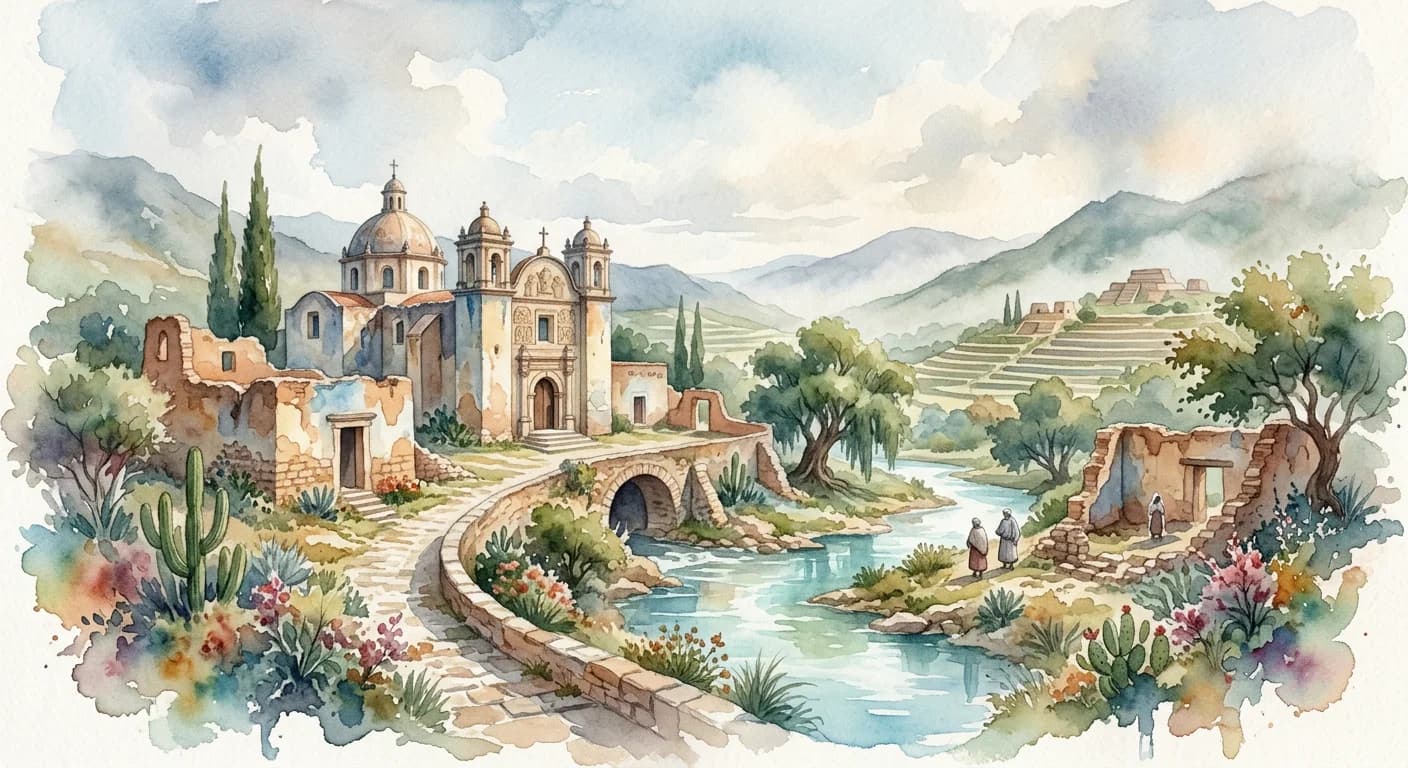
    Artistic representation of huehue
    Nahuatl•
    🇲🇽Mexico

    Huehue

    /HWEH-hweh/

    Meaning

    The term 'huehue' in Nahuatl transcends a simple reference to age; it embodies the profound reverence for antiquity, the wisdom distilled through countless generations, and the enduring connection to an ancestral past. It evokes a sense of deep history, not as something distant and gone, but as a living, guiding force that shapes the present. 'Huehue' signifies the sacredness of things that have endured, carrying the weight of tradition and the accumulated knowledge essential for cultural continuity and identity.

    Literal Translation

    ancient, old

    The Story Behind the Word

    The concept of 'huehue' is deeply interwoven with the Nahua worldview, which emphasizes cyclical time, the veneration of ancestors, and the importance of preserving traditional knowledge. Unlike a linear Western perception of history, the Nahua often saw the past as continually influencing the present and future. 'Huehue' artifacts, stories, and practices were not merely relics but conduits to the wisdom of preceding eras, offering guidance and validation for contemporary life. This respect for the ancient underpinned their social structures, religious practices, and understanding of the cosmos, where the 'huehue' gods, 'huehue' laws, and 'huehue' ways were considered fundamental and unshakeable. It reveals a culture that finds strength and identity in its roots, seeing age not as decay, but as a testament to enduring power and truth.

    Experience It

    The Oldest Tree

    A village elder points to a colossal ahuehuete tree, its gnarled roots anchoring it to the earth for centuries. 'This tree,' he says, 'is truly huehue, a living witness to our ancestors and a source of strength for our people, just as it was for theirs.'

    Ancient Glyphs

    An archaeologist uncovers a set of intricately carved glyphs on a buried stone. She marvels at their detail, understanding that these 'huehue' symbols hold stories and knowledge from a civilization that shaped the very land they stand upon.

    The Deeper Meaning

    The word 'huehue' encapsulates a philosophy where the past is not merely history, but an active, venerable presence. It highlights a worldview that values continuity, ancestral wisdom, and the enduring power of tradition over novelty. This perspective fosters a deep respect for elders, ancient practices, and the lessons embedded in the long arc of time, suggesting that true strength and guidance often lie in what has stood the test of ages.

    Did You Know?

    The 'huehue' in 'Huehueteotl,' the ancient Mesoamerican god of fire and volcanoes, literally means 'Old Old God,' emphasizing his primordial nature and immense power.

    How It's Used

    Used to describe things of great age, ancient artifacts, or concepts rooted in the distant past.

    Emotions
    nostalgia,wonder
    Contexts
    cultural identity,history
    🇲🇽Mexico

    by Sofia Rossi·Written Mar 10, 2026·Updated Apr 3, 2026

    Related Words

    Explore more
    Pura vidaSpanish

    More than just 'pure life,' "Pura vida" encapsulates a profound philosophy of embracing the present moment with unwavering optimism and gratitude. It's a daily commitment to finding joy in simple pleasures, accepting life's challenges with a positive spirit, and prioritizing well-being over material possessions. This ubiquitous phrase reflects a national identity built on resilience, community, and an deep appreciation for nature's bounty.

    MamihlapinatapaiYaghan

    Mamihlapinatapai encapsulates that profound, unspoken moment when two individuals lock eyes, each silently acknowledging a mutual desire or intention, yet both hesitate to be the first to act upon it. It's a delicate dance of anticipation, a shared gaze brimming with common understanding and a quiet longing for the other to break the ice. This intricate look carries the weight of a shared, uninitiated potential, a silent conversation where both parties are perfectly aware of what could happen, but neither makes the first move.

    TingoPascuense

    Tingo describes the subtle, insidious process of progressively appropriating a neighbor's belongings by habitually requesting to borrow them, only to 'forget' their return. It's not outright theft, but a slow, deliberate erosion of another's possessions, often under the guise of neighborly exchange. This gradual accumulation, piece by piece, ultimately results in a significant transfer of goods without any direct confrontation or formal acknowledgment of the loss. It speaks to a passive-aggressive form of acquisition, where social niceties are weaponized.

    HjemstavnDanish

    Hjemstavn is far more than just a birthplace; it's the sacred geography of one's soul, the ancestral landscape deeply etched into one's identity. It represents a profound, almost spiritual, tether to the land, culture, and collective memories of where one truly belongs. This connection evokes a complex tapestry of comfort, identity, and a gentle, persistent yearning that transcends mere nostalgia, suggesting that a fundamental part of one's being remains forever rooted there, regardless of physical distance.